+86 13816508465
Pump Knowledge
Dec. 22, 2025
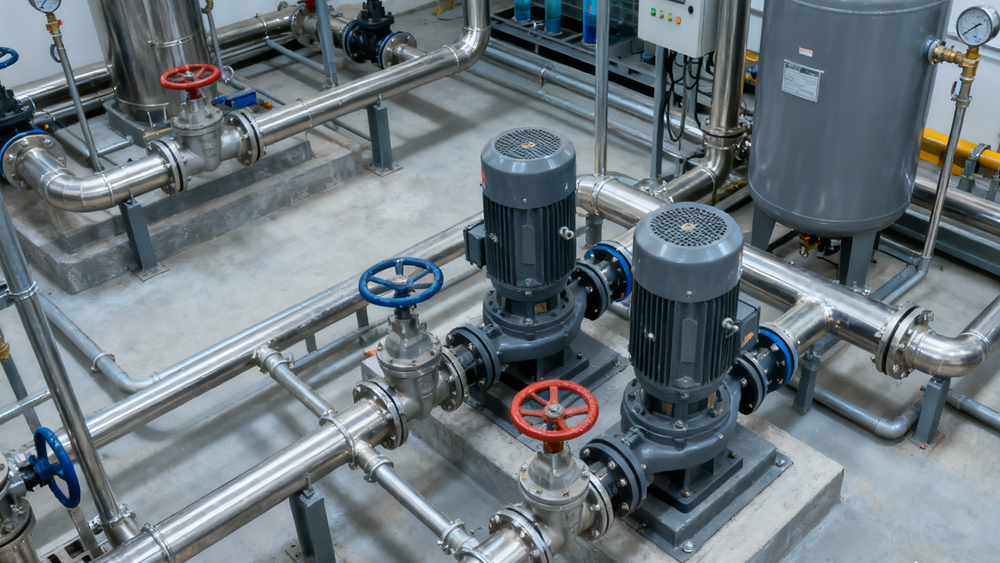
Reliable water pressure is the lifeblood of any large commercial or residential building. It's essential for everything from restroom hygiene and HVAC cooling towers to fire suppression systems. Many older buildings still depend on a single booster pump to maintain pressure. While this setup may seem cost-effective at first glance, it introduces hidden operational, safety, and financial risks that can lead to catastrophic failures.
A single-pump system may look simple, but it represents a single point of failure for a building's entire water supply. Understanding these vulnerabilities is the first step for facility managers and property owners to safeguard their assets and ensure operational continuity.
A traditional single booster pump system is straightforward. It typically consists of one pump, a pressure tank to manage cycling, and a pressure switch or controller. When the pressure in the system drops below a set point, the controller activates the pump to restore it. This design is common in older hotels, office towers, hospitals, and shopping malls.
The core misconception is that one pump means lower upfront costs and less maintenance. While the initial investment might be smaller, this view overlooks the long-term strain and inherent lack of resilience. This shortsighted approach can lead to much higher costs down the line when the system inevitably fails.
The most significant risk of a single-pump system is its lack of redundancy. If that one pump fails, the entire building loses its water pressure. This isn't just an inconvenience; it can bring critical operations to a complete halt.
Imagine the impact on different building zones. Upper-floor restrooms become unusable. HVAC cooling towers that rely on a steady water supply may shut down, causing the building's climate control to fail. In a hospital, a loss of water pressure can disrupt sterilization equipment and clinical procedures. In a hotel, it means unhappy guests and potential refunds. The entire building is held hostage by the health of one piece of equipment.
A single booster pump must do all the work, all the time. It operates on a high-duty cycle, constantly starting and stopping to meet the building's fluctuating water demands. This constant operation generates significant heat, increases the risk of motor burnout, and can lead to cavitation—a damaging phenomenon where vapor bubbles form and collapse inside the pump.
This frequent start-stop cycling also accelerates mechanical wear and tear on the pump's bearings, seals, and motor. Instead of lasting for its expected lifespan, the pump is pushed to its limits daily. This leads to premature failure and a much shorter replacement cycle, negating any initial cost savings.
Single-pump systems struggle to adapt to the variable demands of a large building. During peak hours—like mornings in a residential tower or lunchtime in an office building—demand skyrockets. A single pump may not be able to keep up, causing significant pressure drops, especially on the upper floors.
This creates an uncomfortable and inefficient environment. Tenants on higher floors experience weak showers and slow-filling toilets. Meanwhile, those on lower floors may suffer from over-pressure, which can damage fixtures and appliances. This inconsistent pressure also affects equipment like commercial dishwashers and boilers, preventing them from operating correctly and potentially voiding warranties.
All mechanical equipment requires routine maintenance. With a single-pump system, servicing the pump means shutting down the entire building's water supply. There is no other option. Because of the massive disruption this causes, facility managers may be forced to delay or skip essential maintenance.
This deferred maintenance culture creates a ticking time bomb. Small, fixable issues are left unaddressed until they cascade into a catastrophic failure. The cost of this unplanned downtime—from tenant complaints and business interruptions to emergency repair fees—far exceeds the cost of a properly designed system.
Modern building codes and safety standards have evolved. Many regions now mandate redundancy in critical systems like water supply. These standards often require dual-pump systems that operate on alternating duty cycles and provide a backup in case of failure. Relying on an outdated single-pump setup could put a building in violation of these codes.
Furthermore, this setup introduces insurance risks. In the event of a failure that causes property damage or business interruption, an insurance provider could argue that the building owner was negligent for not having a redundant system. This could lead to a denied claim, leaving the owner to cover the full financial loss.
The solution to these hidden risks is a modern multi-pump booster set. These advanced systems use two or more pumps to provide reliable, efficient, and consistent water pressure. They are designed with configurations like duty/standby, where one pump runs while the other is ready to take over, or duty/assist, where additional pumps turn on to meet peak demand.
These systems often feature smart variable frequency drive (VFD) controls, which adjust the pumps' speed in real-time to precisely match demand. This approach offers several key advantages:
Enhanced Reliability: If one pump needs maintenance, the other takes over with no interruption to the building's water supply.
Longer Lifespan: The workload is shared between pumps, reducing wear and tear on each component.
Energy Savings: VFDs ensure pumps only use the energy needed, significantly lowering electricity costs.
Stable Pressure: The system provides consistent pressure across all floors, regardless of demand.
Upgrading to a multi-pump booster set requires careful consideration of several factors, including the building's flow rate requirements, the number of pressure zones, and redundancy needs. Partnering with a professional pump supplier is crucial. Experts can provide the engineering support needed to select and size the right system, ensuring it meets the specific demands of a hotel, hospital, mall, or apartment complex.
A single-pump booster setup might appear simple and cheap, but it exposes large buildings to profound risks of failure, disruption, and financial loss. These systems are a relic of a past era, incapable of meeting the demands of modern properties.
Upgrading to a multi-pump booster system is more than just a capital expense; it is an investment in reliability, safety, and efficiency. It protects against catastrophic failures, lowers energy consumption, and ensures tenant satisfaction. For any facility manager or building owner focused on long-term operational continuity, moving beyond the single-pump model is not just a good idea—it's a necessity.
Address
No.17 XeDa Jimei Ind. Park, Xiqing Economic Development Area, Tianjin, China
Telephone
+86 13816508465
QUICK LINKS