+86 13816508465
Pump Knowledge
Dec. 22, 2025
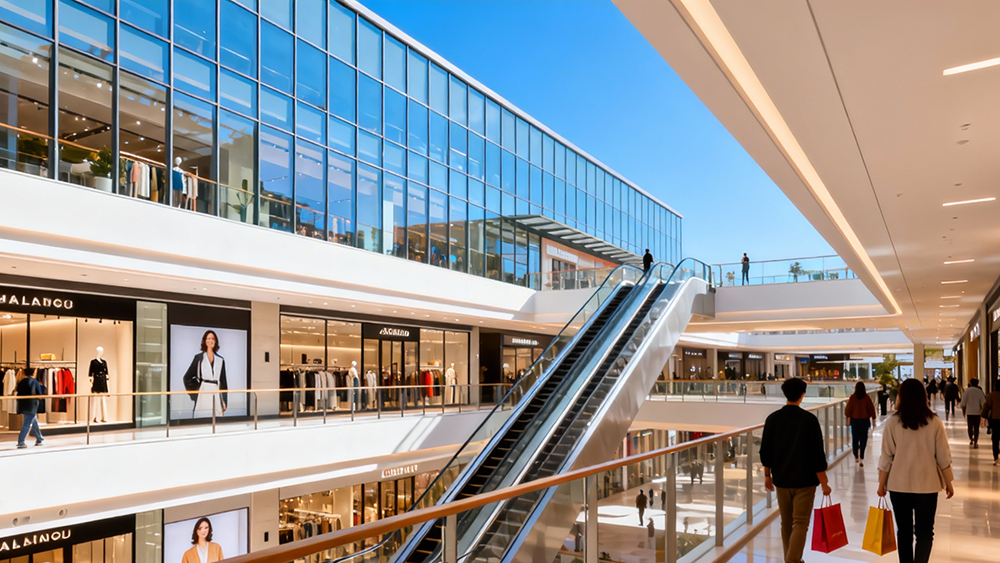
During a heavy rainstorm, a shopping mall's drainage network can become overwhelmed. This sudden influx of water mixes with sewage, flooding underground shops and parking lots. The result is costly damage, operational downtime, and significant health hazards. For facility managers and contractors, preventing this scenario is a top priority.
Shopping centers present unique drainage challenges. Their vast roofs, extensive underground levels, and high-volume food courts create a complex environment where rainwater and sewage can easily mix. This article will explore why shopping malls are at high risk for mixed-flow problems and outline the engineering solutions needed to manage drainage safely and efficiently.
Several factors make shopping centers uniquely vulnerable to mixed rainwater and sewage management issues. Understanding these risks is the first step toward effective flood prevention in malls.
Massive Rainwater Inflow from Large Roofs
A typical shopping center roof spans thousands of square meters. During a downpour, this massive surface area collects an enormous volume of rainwater, channeling it directly into the building's drainage system. The sudden surge can easily overwhelm pipes and pumps that are not designed to handle such high flow rates.
Basements and Underground Parking
Most modern malls feature basements and underground parking garages that sit below the street-level municipal sewer lines. Natural, gravity-based drainage is impossible in these areas. Consequently, every drop of water—from rainwater runoff to wastewater from restrooms—must be collected in sump pits and actively pumped out. A pump failure or an undersized system guarantees a flood.
Continuous Sewage from High-Traffic Areas
Food courts, restaurants, and public toilets generate a constant stream of sewage. This wastewater contains a high load of organic matter, fats, oils, grease (FOG), paper products, and other solids. This thick, heavy effluent puts significant strain on sewage pumps and increases the risk of blockages.
Overloaded Municipal Sewer Networks
A mall's drainage system does not exist in isolation. It connects to the local municipal sewer network, which may be old or already operating at capacity. During a storm, the public system can become so full that it forces sewage backward into the mall's pipes, leading to contamination and flooding.
Peak Hours Intensify the Problem
The worst-case scenario often occurs when a heavy rainstorm coincides with the mall's peak hours, such as lunchtime or weekends. The combination of a rainwater surge and maximum sewage output creates extreme pressure on the entire drainage system, pushing it to its breaking point.
When a building's drainage system is compromised, rainwater and sewage can mix in several ways, each creating a dangerous and unsanitary situation.
Combined Drainage Systems: Older properties sometimes have a single pipe system for both stormwater and sewage. While modern building codes mandate separation, these legacy systems are highly susceptible to overload.
Manhole Surcharge: When the municipal sewer is full, pressure builds and forces raw sewage back through manholes and into the building's connected pipelines.
Backflow: Without effective check valves, wastewater can be pushed back up into basement-level toilets, floor drains, and kitchen sinks. This is a common cause of flooding in lower-level areas.
Pump Station Overload: If the pumps in a sump pit cannot keep up with the incoming flow rate, the pit will overflow, flooding the surrounding area with a mix of rainwater and sewage.
Blockages from Debris and FOG: Fats, oils, and grease from kitchens can solidify in pipes, while debris from parking lots can clog drains. These blockages slow down flow, increase back-pressure, and lead to overflows.
Effective shopping mall drainage relies on a combination of smart design, robust infrastructure, and the right pumping technology. These core solutions help keep stormwater and sewage separate and flowing correctly.
1. Separate Stormwater and Sewage Pipelines
The most fundamental solution is to ensure that rainwater and sewage travel in separate piping systems. This prevents cross-contamination and reduces the risk of a sewage system being overwhelmed by a sudden rainstorm. A dedicated stormwater system can move large volumes of clean water quickly, while the sewage system can focus on managing high-solid waste.
2. Dedicated Rainwater Pump Stations
High-flow dewatering pumps, like heavy-duty models designed for construction sites, are ideal for managing stormwater. These pumps are built to handle extreme surges and move large volumes of water quickly. Installing dedicated pump stations for rainwater in basements and parking garages prevents clean water from mixing with and overloading the sewage system.
3. Sewage Lifting Stations
A sewage lifting station is a pre-packaged system that collects sewage from low-level areas (like basement restrooms) and pumps it up to the main sewer line. This isolates sewage from rainwater inflow and ensures it is handled by pumps specifically designed for high-solid content, such as grinder or cutter pumps.
4. Overflow and Buffer Tanks
During an extreme weather event, buffer tanks can provide temporary storage for excess rainwater. The water is held in the tank until the storm subsides and the main drainage system can safely process it. This prevents the system from being overwhelmed and reduces the risk of backflow.
5. Automatic Backflow Prevention Valves
These critical devices are installed on pipelines to allow water to flow in only one direction. If pressure from the municipal sewer line tries to push wastewater back into the building, the valve automatically closes, protecting the property from sewage intrusion.
Standard sump pumps are not sufficient for the demands of a large commercial property. Specialized pump solutions for shopping centers are necessary to handle the diverse challenges of mixed rainwater and sewage management.
Trash Pumps: For stormwater runoff from parking lots and loading docks, trash pumps are an excellent choice. They are designed to pass large solids like leaves, gravel, and other debris without clogging.
Cutter and Grinder Pumps: These are essential for food courts and restrooms. A cutter pump uses a sharp cutting mechanism to slice through fibrous materials like wet wipes and sanitary products. A grinder pump pulverizes solids into a fine slurry, allowing it to be pumped easily through small-diameter pipes.
High-Head Sewage Pumps: When wastewater needs to be pumped a significant vertical distance, such as from a deep basement to a street-level sewer, high-head pumps provide the necessary power to overcome gravity and friction loss.
Shopping centers must manage two distinct but equally challenging flows: high-volume rainwater surges and high-solid sewage loads. Without a professionally designed drainage system, the two can mix during a storm, causing catastrophic flooding, contamination, and business disruption.
Facility managers and contractors can protect their properties by implementing robust engineering solutions. Separating pipelines, installing dedicated pump stations with the right technology, and ensuring proper backflow prevention are essential steps. By investing in professional pump systems and proactive maintenance, shopping centers can ensure long-term safety, reliability, and peace of mind.
Address
No.17 XeDa Jimei Ind. Park, Xiqing Economic Development Area, Tianjin, China
Telephone
+86 13816508465
QUICK LINKS