+86 13816508465
Pump Knowledge
Dec. 28, 2025
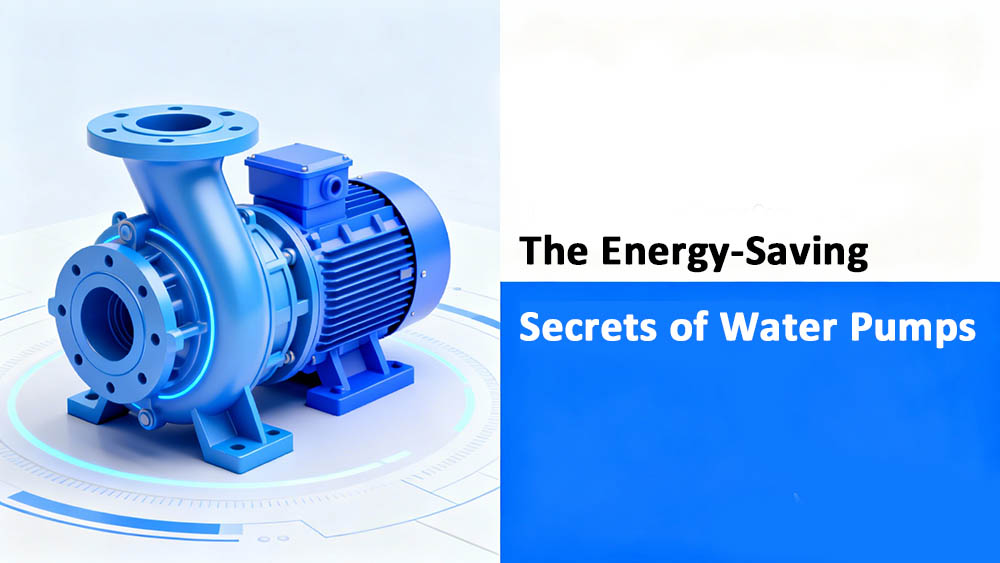
Rising energy costs and a growing focus on sustainability have put a spotlight on equipment efficiency. For homes and businesses alike, water pumps are often-overlooked consumers of significant amounts of electricity. Many people believe that cranking up the pressure equals better performance, but this is a common and costly misconception. The truth is, simple maintenance habits can dramatically reduce power consumption and extend the life of your equipment.
This article will explore the energy-saving secrets hidden within your water pump system. You will learn how proper filtration and correct pressure settings not only lower your electricity bills but also protect your investment from premature failure.
A water pump often uses more energy than it should for a few key reasons. When a pump operates under an excessive load, it has to work harder, drawing more power from your electrical system. This extra strain is frequently caused by preventable issues.
One of the primary culprits is increased resistance from clogged filters. When water cannot flow freely, the pump must generate higher pressure to push it through the system, leading to wasted energy. Another common issue is a mismatch between the pump's capacity and the system's actual demand, causing the pump to run inefficiently.
Clean filters are fundamental to water pump efficiency. A blocked or dirty filter forces the entire system to work harder, directly impacting your energy bills and the health of your pump's motor.
A clogged filter restricts the flow of water, which causes the pressure to build up behind the blockage. To overcome this resistance, the pump's motor must draw more electrical current. This increased current draw not only inflates your power bill but also generates excess heat, which can lead to motor overheating and eventual failure.
Different systems use various types of filters to keep debris out of the pump and plumbing. Common examples include:
Suction Strainers: Placed at the beginning of the suction line to prevent large debris from entering the pump.
Inline Filters: Installed directly into the plumbing to capture smaller particles that passed the initial strainer.
Basket and Y-Type Strainers: Designed to catch debris in pressurized lines and are easily accessible for cleaning.
The ideal cleaning schedule depends on the application. For residential systems with relatively clean water, a check every few months may be sufficient. However, for commercial or industrial applications dealing with high sediment levels, weekly or even daily inspections might be necessary. Key signs that a filter needs immediate cleaning include a noticeable drop in water flow or a higher-than-normal reading on the pressure gauge.
The relationship between pressure, flow, and power is a core principle of pump operation. Increasing the pressure without a corresponding need for it leads to significant energy loss and accelerates wear on your equipment.
When a system is over-pressurized, the pump consumes more energy to maintain that unnecessary pressure level. Think of it like pressing the gas pedal in your car while it's in neutral—you're burning fuel without going anywhere. This excessive pressure also puts a continuous strain on every component in the system.
Operating a pump at a pressure higher than required does more than just waste energy; it actively shortens the equipment's service life. The added force puts immense stress on critical components like bearings and seals, causing them to wear out much faster.
This constant strain often leads to higher levels of vibration and noise, which are early warning signs of impending mechanical problems. Furthermore, in systems with a pressure tank, excessive pressure can cause the pump to start and stop frequently. This phenomenon, known as short cycling, is extremely damaging to the motor and its electrical components.
Achieving optimal water pump efficiency involves more than just maintenance; it starts with smart selection and modern technology. By matching your pump to your needs and leveraging variable speed controls, you can unlock substantial savings.
One of the most common mistakes is oversizing a pump. A pump that is too powerful for the system's requirements will consistently operate away from its Best Efficiency Point (BEP). The BEP is the flow rate at which the pump operates most efficiently. Running a pump far from its BEP is like driving a race car in city traffic—it's wasteful and inefficient.
A Variable Frequency Drive (VFD) is a game-changer for energy-saving tips. Instead of running at a constant full speed, a pump equipped with a VFD can adjust its speed to match the system's real-time demand. During periods of low use, the VFD slows the motor down, drastically reducing power consumption. This is far more efficient than traditional methods that rely on throttling valves to restrict flow while the pump continues to run at 100%.
Consistent pump maintenance is the key to long-term reliability and efficiency. These simple habits protect your equipment and keep energy costs down.
Inspect Filters and Strainers Regularly: Make this a routine task. A clean filter ensures unrestricted flow and low energy use.
Monitor Gauges: Keep an eye on pressure gauges and flow indicators. Sudden changes are often the first sign of a problem.
Keep Suction Lines Clear: Ensure suction lines are airtight and free from debris to prevent the pump from working harder than it needs to.
The advantages of an efficient pump system go beyond a lower power bill. By reducing strain on the equipment, you also lower maintenance and repair expenses. Motors, seals, and bearings last longer, minimizing the cost and inconvenience of unexpected downtime. A well-maintained pump is a reliable pump.
Avoid these common pitfalls to ensure you aren't unknowingly wasting energy and harming your pump:
Running the pump for extended periods with dirty or clogged filters.
Setting the operating pressure significantly higher than the system requires.
Ignoring warning signs like new noises, increased vibration, or frequent cycling.
Follow this checklist to keep your pump running efficiently:
Check and Clean Filters: Set a regular schedule based on your system's needs.
Verify Pressure Settings: Ensure the pressure switch or controller is set to meet your actual needs, not an arbitrary high number.
Monitor Power Consumption: If possible, track the pump's energy use. A gradual increase can indicate developing issues like a clogged filter or bearing wear.
You don't need to be an expert to make a major impact on your pump's energy use. Small, consistent adjustments can lead to significant savings over time. By keeping filters clean and ensuring pressure settings are correct, you protect both your budget and your equipment. Smart pump operation is a simple yet powerful strategy for achieving long-term efficiency and reliability. Adopt these pump maintenance practices today and watch your energy consumption drop.
Address
No.17 XeDa Jimei Ind. Park, Xiqing Economic Development Area, Tianjin, China
Telephone
+86 13816508465
QUICK LINKS