+86 13816508465
Pump Knowledge
Dec. 28, 2025
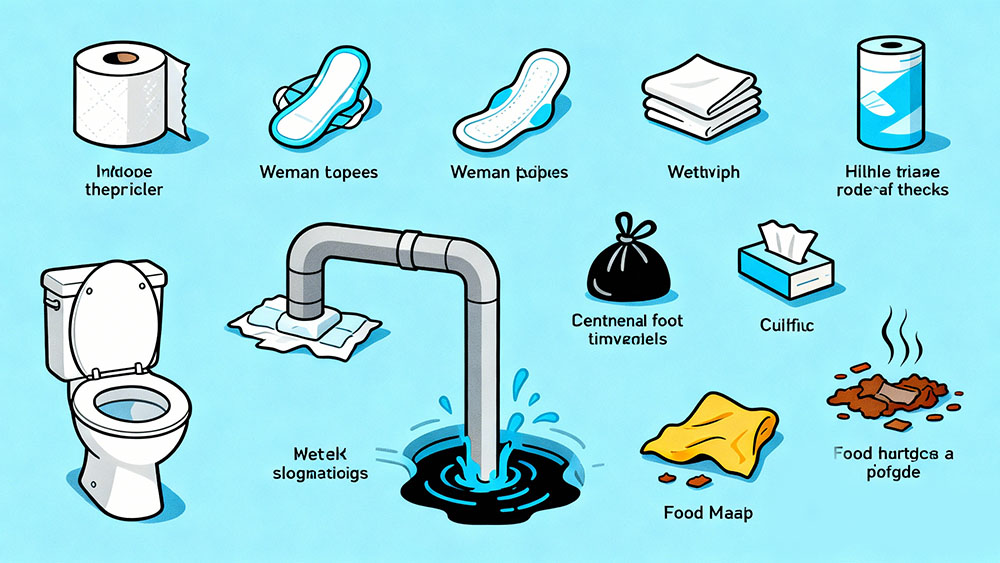
Frequent blockages in a commercial washroom are more than just an inconvenience; they can disrupt business, create unpleasant odors, and lead to costly repairs. While a clogged toilet at home is a simple fix, commercial systems face unique challenges that make them far more susceptible to failure. Understanding these challenges is the first step toward finding a reliable solution.
This post will explore the common causes of commercial washroom blockages and explain how proper pump selection, specifically using integrated sewage lifting systems with grinder pumps, can prevent these persistent problems. You will learn why gravity-fed systems often fail in commercial settings and how the right equipment can keep your facilities running smoothly.
Commercial washrooms handle a much higher and more unpredictable load than residential ones. This constant use, combined with other factors, creates a perfect storm for drainage issues.
The sheer volume of users in a commercial building means toilets are flushed far more frequently. More importantly, you have little control over what goes into them. Items like paper towels, sanitary products, and so-called 【flushable】 wipes do not break down easily and are a primary cause of blockages in plumbing systems.
Many modern commercial buildings feature long, horizontal drainage pipes with a minimal slope. This design makes it difficult for waste to travel effectively to the main sewer line, increasing the likelihood of solids settling and creating a clog. Washrooms located in basements or below street level face an even greater challenge, as they must move wastewater upward against gravity.
Before a complete failure, your plumbing system will often show signs of distress. Recognizing these early warnings can help you address the root cause before it leads to a major overflow.
Slow Drainage: Toilets, sinks, and floor drains take longer than usual to empty.
Persistent Odors: Unpleasant smells emanating from drains are a classic sign of trapped waste.
Frequent Pump Alarms: If your current system has a pump, repeated alarms indicate it's struggling to keep up.
Peak Hour Overflows: Backups that occur during the busiest times of the day suggest the system is overwhelmed.
For centuries, gravity has been the standard method for moving wastewater. However, it often proves insufficient for the demands of a commercial building. Gravity-fed systems rely entirely on the slope of the pipes to carry waste away. When dealing with long horizontal runs or lifting waste from a basement, gravity alone can't provide the force needed to prevent solids from settling and causing blockages. This leads to a high risk of backflow and clogs.
An integrated sewage lifting system is an all-in-one solution designed to actively pump wastewater when gravity is not enough. These pre-packaged units are a modern, reliable alternative to traditional sump pits and are engineered to handle the tough conditions of commercial applications.
A typical system includes:
A Collection Tank: A sealed basin that collects wastewater from toilets and drains.
A Submersible Pump: The heart of the system, which can be either a sewage pump or a more powerful grinder pump.
A Level Control: A float switch or sensor that automatically turns the pump on and off.
Piping and Valves: Includes a non-return valve to prevent backflow into the tank.
Instead of passively relying on gravity, these systems collect waste and actively pump it out once it reaches a certain level. This powerful discharge ensures that solids are effectively transported through the pipes, significantly reducing the risk of clogs.
For commercial washrooms, a standard sewage pump may not be enough. This is where grinder pumps become essential.
A grinder pump is a specialized type of submersible pump equipped with a powerful cutting mechanism. Before waste enters the pump itself, it passes through rotating blades that shred and macerate solids—including difficult materials like wipes, paper towels, and sanitary products—into a fine slurry.
A standard sewage pump is designed to pass solids up to a certain size, typically around 2 inches in diameter. It works well for residential wastewater but struggles with the non-degradable items often flushed in commercial settings.
A grinder pump, on the other hand, doesn't just pass solids; it annihilates them. By turning solid waste into a slurry, it ensures the wastewater can be easily pumped through small-diameter pipes over long distances without causing blockages. For any high-use commercial washroom, a grinder pump is the superior choice for reliability.
The float switch is the unsung hero of a sewage lifting system. This simple device is responsible for telling the pump when to turn on and when to turn off, preventing both overflows and pump damage.
As wastewater fills the tank, the float rises. Once it reaches a predetermined 【on】 level, it activates the pump. The pump runs until the level drops to the 【off】position, at which point the float switch deactivates it. This automatic process ensures the tank never overflows and the pump never runs dry, which could cause it to overheat. For added security, many commercial systems use a redundant float switch or a separate high-level alarm float to alert maintenance staff if the primary switch fails.
Selecting the correct sewage lifting system is crucial for long-term, trouble-free operation. Key factors to consider include:
Flow Rate: The system must be able to handle the peak flow generated during the busiest hours.
Head and Distance: The pump must be powerful enough to lift wastewater vertically (head) and push it horizontally to the main sewer line.
Solid Type: For commercial washrooms, a grinder pump is almost always the right choice to handle unpredictable waste.
Duty Cycle: The pump should be rated for continuous or heavy-duty use to ensure a long service life.
Using a domestic-grade pump in a commercial setting is a common mistake that inevitably leads to repeated blockages and premature failure. Investing in a properly sized, commercial-grade system with a grinder pump is the most effective way to protect your property.
Proper pump selection is the most important step, but regular maintenance ensures longevity. Schedule periodic inspections to check that floats are moving freely and the grinder's cutter is clear of any tough debris. Cleaning the collection tank annually can also prevent the buildup of grease and sediment.
By moving away from outdated gravity systems and embracing modern sewage lifting technology with grinder pumps, property managers can effectively eliminate the persistent problem of commercial washroom blockages. This proactive approach not only prevents disruptive emergencies but also reduces long-term maintenance costs and ensures a better experience for everyone in the building.
Are grinder pumps necessary for every commercial washroom?
While not every single washroom requires one, a grinder pump is highly recommended for any public or high-traffic facility. If there is a risk of non-degradable items like wipes or sanitary products being flushed, a grinder pump provides essential protection against blockages that a standard sewage pump cannot.
Can float switches fail and cause an overflow?
Yes, float switches can fail, often due to obstruction from debris or simple mechanical wear. This is why commercial-grade systems often feature robust, anti-entanglement float designs and include a second alarm float that triggers an audible or visual alert if the water level rises too high.
How often should sewage lifting systems be serviced?
For a typical commercial installation, an annual inspection is recommended. A qualified technician should check the pump, the float switches, and the alarm functions. The collection tank should also be cleaned to remove any accumulated grease or sediment that could interfere with the system's operation.
Address
No.17 XeDa Jimei Ind. Park, Xiqing Economic Development Area, Tianjin, China
Telephone
+86 13816508465
QUICK LINKS