+86 13816508465
Pump Knowledge
Dec. 28, 2025
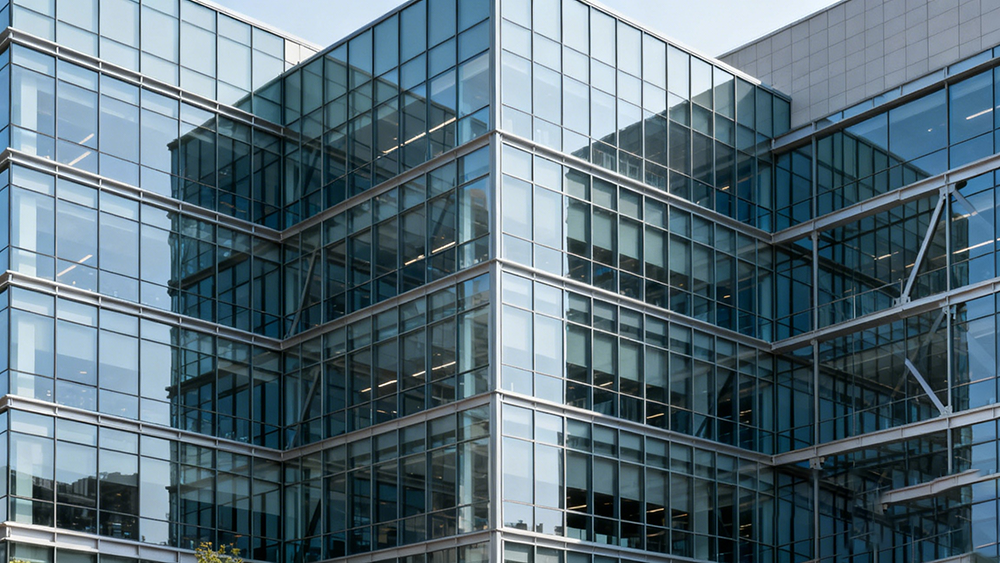
Imagine walking into the office restroom right after lunch, only to find the tap barely trickling. Or worse, the toilets on the top floor take ten minutes to refill. It’s frustrating for tenants and a major headache for facility managers.
These aren't just random plumbing glitches. They are classic signs of a peak-hour water shortage. This phenomenon occurs when the demand for water within a building temporarily exceeds the system's ability to supply it efficiently.
As modern commercial buildings grow taller and accommodate more people, maintaining consistent office building water pressure becomes increasingly difficult. The challenge isn't usually about the total amount of water available daily, but rather the intensity of demand during specific windows of time.
In most office environments, these shortages hit hardest during three distinct periods:
The Morning Rush: When everyone arrives, uses the restroom, and grabs coffee.
Lunch Break: A concentrated spike in usage for pantry sinks and washrooms.
End of Workday: A final surge before employees commute home.
This guide explores why these shortages happen, the risks they pose, and how engineered solutions like advanced booster pump systems can fix them.
A peak-hour water shortage is specifically defined by a drop in flow rate and pressure during times of maximum building occupancy usage.
It is important to distinguish this from general plumbing failures. If your pressure is low at 3:00 AM on a Sunday, you have a static system issue (like a leak or a broken pump). If your pressure is fine all day but drops significantly at 9:00 AM on a Monday, you are dealing with a peak-hour capacity issue.
Common symptoms include:
Weak taps on upper floors: Gravity works against the system, so the highest floors suffer first when pressure drops.
Slow-refilling toilets: Flush valves may not seal properly, or tanks take twice as long to fill.
Insufficient supply for equipment: HVAC cooling towers or pantry dishwashers may trigger low-flow alarms.
Commercial spaces present unique challenges that residential buildings rarely face. The primary factor is user density. In an apartment block, shower and cooking times vary. In an office, thousands of employees operate on nearly identical schedules.
This leads to [simultaneous usage,] where a huge percentage of fixtures are active at once:
Restroom clusters: Dozens of toilets and washbasins flushing and running at the exact same moment.
Cleaning systems: Janitorial staff filling buckets or running cleaning machines.
HVAC loads: Cooling systems often demand water makeup during the hottest parts of the day, which often overlaps with human activity.
Furthermore, office towers must overcome significant vertical height. Pumping water up 30 or 40 stories requires immense pressure. When peak-hour water demand spikes, the friction loss in the pipes increases, making it even harder to deliver water to the top.
Diagnosing the problem requires looking at the mechanical heart of the building. Here are the most common technical reasons for these shortages.
The most frequent culprit is a pump set designed for [average] flow rather than [peak] flow. If engineers calculate requirements based on average daily consumption, the pumps will fail to deliver the necessary volume during that critical 20-minute morning rush.
Older buildings may rely on a single large pump. This is risky. If that single pump cannot ramp up quickly enough—or if it is fixed-speed—the pressure will drop dramatically the moment demand spikes. There is no backup to assist when the load gets heavy.
If the building relies on a roof tank or a break tank, size matters. An undersized tank can drain faster than the municipal line can refill it during peak hours. Once the tank level drops too low, the outgoing pressure naturally decreases, starving the floors below.
High-rise buildings are usually divided into pressure zones (e.g., Low, Mid, High). A common design flaw is stretching a single zone across too many floors. The lower floors in that zone might get great pressure, while the upper floors—sitting just below the tank or booster—experience chronic shortages whenever usage rises.
Over time, galvanized pipes can accumulate scale and rust. This narrows the internal diameter of the pipe. As water tries to rush through during peak hours, this restriction creates massive friction loss, killing the pressure before it reaches the tap.
Ignoring office building water pressure issues leads to more than just grumbling tenants.
Employee Complaints: Low pressure is perceived as [cheap] or poorly managed, affecting the building's reputation.
Hygiene Issues: If toilets don't flush completely or taps barely run, sanitation drops rapidly.
System Wear: Pumps that struggle to meet demand often cycle on and off rapidly or run at maximum capacity for too long, leading to overheating and premature failure.
Elevator and Equipment Risks: While less direct, water shortages can impact the cooling systems required for elevator machine rooms or server rooms, leading to equipment downtime.
Before you buy a new pump, you need data.
Monitor Pressure Logs: Install data loggers at the discharge of the booster set and at the critical fixture (usually the highest point in a zone).
Compare Flow Data: Look at the flow rates during peak vs. off-peak times. Does the pressure drop align perfectly with the flow spike?
Check Cycling: Review the pump control panel. Is the pump hunting (speeding up and slowing down erratically)? This suggests it cannot find a stable operating point.
Fixing the problem usually involves upgrading the booster pump systems or adjusting how water is distributed.
Engineers must calculate the [Peak Instantaneous Demand.] The new pumps must be selected to hit this specific flow rate while maintaining the required head (pressure) to reach the top floor.
VFDs are the gold standard for modern plumbing. They allow the pump motor to speed up or slow down automatically to match demand. When peak hour hits, the VFD ramps up the speed to maintain constant pressure. When the building empties, it slows down, saving massive amounts of energy.
Instead of one giant pump, use a [Duty/Assist/Standby] configuration.
Low demand: One small pump runs.
Peak demand: Two or three pumps run together (Assist mode) to meet the high volume.
This ensures redundancy and covers extreme demand spikes without losing pressure.
Increasing the size of break tanks allows the building to [buffer] the peak demand. You store water during the night (when municipal pressure is high) and draw from it quickly during the day.
For tall buildings, separating the plumbing into dedicated zones is essential. Installing a dedicated booster set for the upper floors ensures they aren't fighting for water with the lobby and lower levels.
Preventing shortages starts on the drawing board.
Plan for Reality: Use realistic usage profiles, not just theoretical minimums code requirements.
Future-Proofing: Design the pump room with space for an extra pump if tenant density increases later.
System Coordination: Ensure the plumbing engineer speaks with the HVAC team so that cooling tower water demand is accounted for in the main supply calculations.
Oversizing Pressure, Undersizing Flow: A pump that provides 100 PSI is useless if it can only move 10 gallons per minute when you need 50.
Ignoring Simulations: Failing to simulate peak-hour usage scenarios often leads to system failure on day one.
Using Residential Pumps: Never cut costs by using residential-grade hardware. Commercial peak-hour water demand requires industrial-grade durability.
Peak-hour water shortages are a clear signal that an office building's infrastructure is out of sync with its occupants' needs. While the symptoms are annoying—weak showers and slow toilets—the root causes are usually found in the plant room.
Solving these issues requires a shift from quick fixes to system-level design. By investing in VFD-controlled booster pump systems, correcting storage capacity, and properly zoning pressure levels, facility managers can ensure reliable water flow regardless of the time of day. A robust water system is invisible to tenants, but essential for a functioning workplace.
How long should peak-hour shortages last?
Typically, these shortages align with user behavior. You might see pressure drops for 30 to 60 minutes in the morning, and again for an hour during lunch. If low pressure persists for hours, you likely have a deeper mechanical issue, not just a peak-demand problem.
Can adding a bigger pump solve the problem?
Not always. If your piping is too narrow (restricted), a bigger pump might just increase the velocity of the water to dangerous levels without solving the pressure issue at the tap. It can also cause pipe bursts. You need the right pump, not necessarily the biggest one.
Is a rooftop tank still necessary with booster pumps?
Many modern buildings use [direct boost] systems that pump straight from a basement break tank to the taps, eliminating the roof tank. However, a roof tank provides excellent gravity-fed reliability and acts as a buffer during power outages, so it remains a valid design choice for many high-rises.
Address
No.17 XeDa Jimei Ind. Park, Xiqing Economic Development Area, Tianjin, China
Telephone
+86 13816508465
QUICK LINKS