+86 13816508465
Pump Knowledge
Dec. 28, 2025
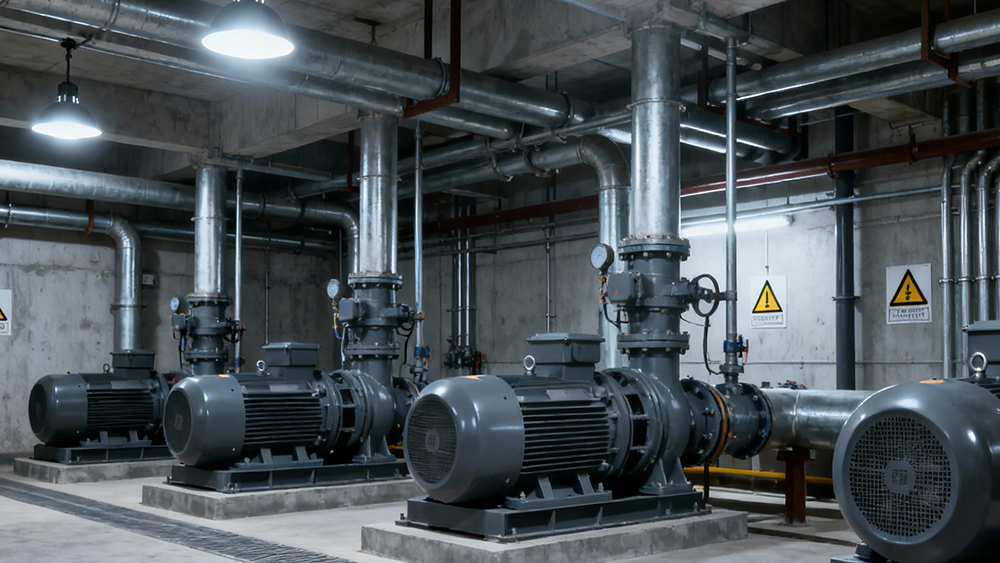
Restarting a pipeline pump after a long-term shutdown is not as simple as flipping a switch. Whether a pump has been idle for seasonal reasons, extensive maintenance, or simply kept on standby, a careful and systematic inspection is crucial. Attempting a pipeline pump restart without proper checks can lead to catastrophic equipment failure, costly downtime, and significant safety hazards.
This guide outlines the essential steps to follow before bringing a pump back online. By following these restart procedures, you can ensure a smooth, safe, and efficient return to service, protecting your assets and personnel. We will cover everything from fluid levels and electrical systems to mechanical components and controlled start-up protocols.
One of the most critical pre-start checks is ensuring the pump is fully primed. Operating a pump without sufficient liquid, even for a moment, can cause immediate and severe damage to its internal components, such as bearings and mechanical seals, due to a lack of lubrication and cooling.
Priming is the process of filling the pump casing and suction line with the liquid it is intended to move. This action displaces any trapped air, which is essential for the pump to build pressure and operate correctly. An air-bound pump will fail to pump liquid, leading to overheating and potential failure.
Before any pipeline pump restart, you must verify that the pump casing is full of liquid and all air has been expelled. Locate the vent valves or air release points on the top of the pump casing. Open them slowly until a steady stream of liquid emerges, indicating that all trapped air has been removed. Once you have a solid flow, close the vents securely.
Your instrumentation provides a vital window into the health of the system. Before starting the pump, take the time to inspect all relevant gauges and sensors.
Ensure that all pressure gauges are functioning correctly. In a static (non-running) state, the suction and discharge gauges should show a pressure consistent with the static head of the system. An abnormal reading, such as zero pressure when the pipeline is known to be full, could indicate a faulty gauge or a blockage. Check that the needles are not stuck or damaged.
Pumps left idle for extended periods are susceptible to internal issues that can obstruct flow. During a long-term shutdown, rust, sediment, or scale can accumulate within the pipeline and pump casing.
Rust Buildup: Moisture in an empty or partially filled iron pipeline can lead to significant rust formation.
Sediment or Scale: Minerals and suspended solids in the pumped fluid can settle and harden over time, creating blockages.
Before restarting, perform a visual inspection where possible. If the pipeline can be flushed without engaging the pump, this is an excellent way to clear out loose debris. A sudden pressure spike or zero flow upon startup often points to a blockage that was missed.
Valves control the flow of liquid to and from the pump. Their proper position is non-negotiable for a safe pipeline pump restart.
Walk the line and physically verify that the suction and discharge isolation valves are in the fully open position. A partially closed suction valve can starve the pump, leading to cavitation and damage. A closed discharge valve can cause the pump to 【dead-head,】 leading to a rapid and dangerous increase in pressure and temperature. Also, inspect non-return (check) valves to ensure they are not stuck in a closed or partially closed position.
The pump's motor and its electrical supply system must be in top condition. Electrical issues can prevent the pump from starting or cause damage during operation.
Perform an insulation resistance test (megger test) on the motor windings to check for any degradation of the insulation, which can happen in damp environments. Verify that the power supply is stable and providing the correct voltage. Finally, confirm the pump's correct rotational direction. Running a pump backward, even briefly, can cause significant damage, especially to pumps with threaded impellers.
A hands-on mechanical inspection can reveal problems that instruments cannot. This part of your pump inspection checklist focuses on the physical state of the equipment.
Try to rotate the pump shaft by hand. It should turn smoothly with minimal resistance. If it feels stuck or rough, investigate further for internal obstruction or bearing failure. Check the bearing lubrication; if the oil is low or appears contaminated, drain it and refill with fresh, clean lubricant. Inspect the mechanical seal or packing gland for any signs of leaks or damage that may have occurred during the shutdown.
The pump should never support the weight of the pipeline. Over time, ground settling or temperature changes can cause pipes to shift, putting immense stress on the pump's flanges.
Check that all pipe supports near the pump are secure and properly adjusted. Verify the alignment between the pump and motor, as misalignment is a leading cause of premature bearing and seal failure. Inspect any flexible expansion joints to ensure they are not damaged or constrained.
A 【soft start】 is always preferable to an abrupt one. This controlled approach allows you to monitor the system as it comes online and shut it down quickly if issues arise.
Start the pump with the discharge valve partially open (or as specified by the manufacturer's restart procedures). This prevents a sudden pressure surge and reduces the initial load on the motor. As the pump gets up to speed, slowly open the discharge valve to its full operating position. During this time, listen for unusual noises, monitor for excessive vibration, and watch the motor's current draw.
Once the pump is running, your job isn't over. The initial moments of operation are critical for identifying underlying problems.
Compare the operating pressure and flow rate to the pump's design specifications. Watch for any fluctuations in pressure, which could indicate air in the system or intermittent blockages. Perform a thorough walk-around inspection, checking all flanges, seals, and fittings for any leaks that may have appeared under pressure.
Even experienced operators can make mistakes. Being aware of common pitfalls helps reinforce diligent inspection habits.
Ignoring Air in the System: Starting a pump that is not properly vented is a recipe for failure.
Overlooking Blockages: Assuming a pipeline is clear without verification can lead to dead-heading and severe damage.
Neglecting Electrical Safety: Failing to verify electrical systems can result in motor damage or create serious safety risks.
A systematic approach is the best defense against these errors. Following a comprehensive pump inspection checklist for every pipeline pump restart after a long-term shutdown is the key to long-term reliability and operational safety.
Address
No.17 XeDa Jimei Ind. Park, Xiqing Economic Development Area, Tianjin, China
Telephone
+86 13816508465
QUICK LINKS