+86 13816508465
Pump Knowledge
Jan. 25, 2026
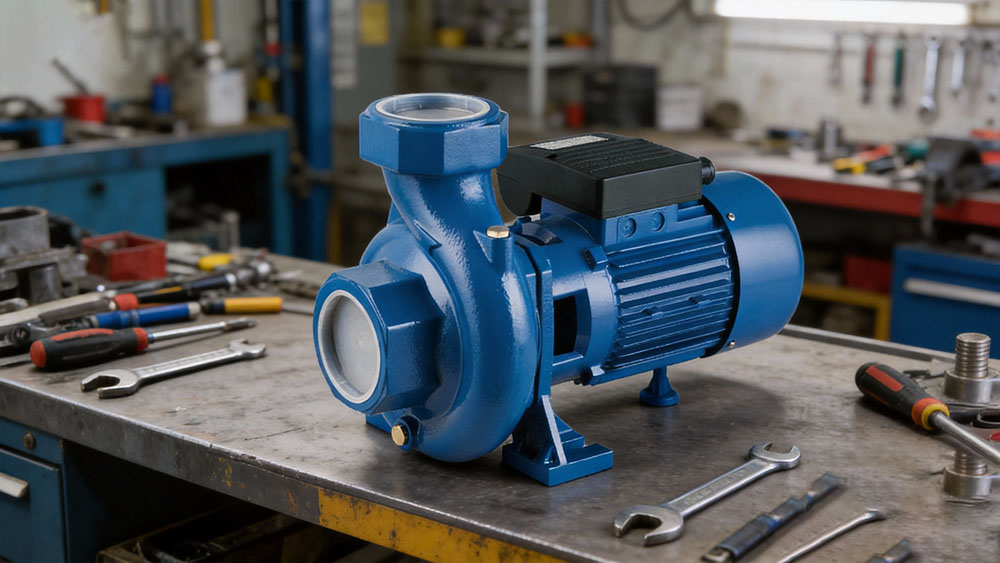
For any facility manager or plant engineer, few situations induce panic quite like an unexpected line stoppage. Unplanned downtime is a financial nightmare in industrial settings, where every minute of lost production translates directly to lost revenue. When a critical centrifugal pump goes down, the costs spiral quickly—from emergency maintenance fees to missed shipment deadlines.However, the root cause might surprise you. While it is easy to blame the equipment, statistics show that the vast majority of pump failures are not due to manufacturing defects. Instead, they usually stem from preventable operation errors, improper installation, or poor maintenance practices. Even the most robust industrial equipment cannot survive incorrect usage for long.The good news is that most of these issues are entirely avoidable. By understanding the mechanical and hydraulic forces at play, you can prevent catastrophic breakdowns before they happen. Mastering these diagnostics can save your facility thousands of dollars in replacement parts and lost production time.Is your pump making strange noises or losing pressure? Here is what you need to check immediately.
Cause 1: Cavitation (The Silent Killer)
Of all the issues that plague centrifugal pumps, cavitation is perhaps the most destructive and misunderstood. It is often referred to as the 【silent killer】 because the damage occurs internally, hidden from view until the pump suffers a catastrophic drop in performance.
What is Cavitation?
In simple technical terms, cavitation is not just air bubbles; it is a violent phase change of the fluid. It occurs when the pressure inside the pump drops below the vapor pressure of the liquid being moved. This pressure drop causes the liquid to flash into vapor, forming bubbles or cavities.As these vapor bubbles move through the impeller into areas of higher pressure, they collapse implosively. This collapse generates tiny but incredibly powerful shockwaves that strike the impeller surface, eroding the metal over time. Think of it as thousands of tiny hammers chipping away at the interior of your pump every second.
Symptoms to Watch For
You don't need to open the casing to know if your pump is cavitating. The symptoms are distinct and audible:
· Distinctive Noise: The most telling sign is a loud, rattling sound, frequently described by maintenance engineers as 【pumping gravel】 or 【shaking a can of marbles.】
· High Vibration: The instability caused by the collapsing bubbles creates excessive vibration, which can loosen bolts and damage bearings.
Two Main Types of Cavitation
To fix the problem, you must first identify which type of cavitation is occurring.
1. Suction Cavitation: This occurs at the eye of the impeller. It happens when the pump is 【starved】 of fluid, meaning the suction pressure is too low. This is often due to a clogged intake or running the pump too far to the right of its Best Efficiency Point (BEP).
2. Discharge Cavitation (or Recirculation Cavitation): This happens when the discharge pressure is extremely high, forcing fluid to recirculate inside the housing rather than exiting. This typically occurs when the pump is running at extremely high efficiency but low flow (running too far to the left on the curve).
The Fix
Solving cavitation requires restoring the hydraulic balance of your system.
· Check NPSH Margins: The most critical technical check is comparing the Net Positive Suction Head available (NPSHa) against the Net Positive Suction Head required (NPSHr). For safe operation, NPSHa must always be greater than NPSHr.
· Clear Suction Lines: Inspect the suction piping for blockages. A clogged strainer restricts flow, triggering a pressure drop.
Cause 2: Mechanical Seal Leakage
Statistically, mechanical seal failure is the number one reason for pump repairs. While seals are designed to be the 【fuse】 of the pump system—failing before more expensive components do—frequent failures indicate a systemic problem.
Root Causes
Seals rarely fail due to old age; they fail because of operating conditions.
· Dry Running: This is the most common culprit. A mechanical seal relies on the fluid it pumps for lubrication. If the pump runs dry, the seal faces friction, heats up rapidly, and cracks or melts.
· Thermal Shock: Drastic temperature changes can shatter ceramic seal faces.
· Chemical Incompatibility: Using the wrong seal material (elastomers) for a corrosive fluid will cause the seal to swell or disintegrate.
The Fix
· Never Run Dry: Ensure the pump is primed before starting. Install low-flow sensors to trip the motor if the supply line runs empty.
· Material Upgrades: If you are pumping abrasive or corrosive fluids, standard carbon/ceramic seals may not suffice. Upgrade to harder materials like Silicon Carbide or Tungsten Carbide that match your specific fluid properties.
Cause 3: Impeller Corrosion and Wear
Physical damage to the impeller significantly reduces pump efficiency. This damage typically falls into two categories: erosion and corrosion.
Erosion vs. Corrosion
· Erosion: This is physical wear caused by suspended solids, such as sand, grit, or slurry, acting like sandpaper against the metal impeller.
· Corrosion: This is a chemical reaction. For example, pumping an acidic fluid using a Cast Iron pump will cause the metal to oxidize and dissolve.
The Fix
Material selection is the key to longevity. You cannot change the fluid you need to pump, but you can change the pump construction.
· Select the Right Alloy: At Stream Pumps, we offer diverse material options including Cast Iron for general water, Stainless Steel (304/316) for chemical resistance, and Brass for specific saline applications.
· Use Strainers: If your application involves dirty water, install a suction strainer to catch abrasive solids before they enter the pump casing.
Cause 4: Shaft Misalignment and Bearing Failure
Bearings are designed to last for years, yet they often fail within months. The primary reason is almost always shaft misalignment.
The Vibration Chain Reaction
When the pump shaft and the motor shaft are not perfectly aligned, it creates radial loads that the bearings were not designed to handle. This sets off a destructive chain reaction:
Misalignment occurs.
Excessive vibration begins.
Friction generates heat inside the bearing housing.
Lubrication breaks down.
Bearings seize, potentially snapping the shaft.
The Fix
· Laser Alignment: Eye-balling the alignment is not sufficient for industrial applications. Use laser alignment tools during installation to ensure precision.
· Regular Checks: Check coupling alignment regularly, as thermal expansion and pipe strain can shift the pump foundation over time.
Cause 5: Overheating (Running at 【Dead Head】)
Running a centrifugal pump at 【Dead Head】 is one of the most dangerous operating conditions in a plant.
What is Dead Head?
Dead Head occurs when a pump is running, but the discharge valve is fully closed or blocked. Because the fluid has nowhere to go, it churns inside the casing.
The Dangers
Since no new fluid enters to cool the system, the friction from the impeller heats the trapped liquid rapidly. This can turn the water into steam, causing pressure to skyrocket. The results can range from melted seals and seized bearings to an actual explosion of the pump casing.
The Fix
· Valve Management: Never use the suction valve to throttle flow.
· Recycle Lines: If your process requires operating at low flow rates, install a minimum flow recycle line. This allows a small amount of fluid to bypass the process and return to the suction tank, ensuring the pump stays cool.
Comparison Table: Troubleshooting Quick Guide
If you are currently facing issues, use this quick reference guide to identify the likely culprit.
Symptom | Likely Cause | Immediate Action |
Loud 【Gravel】Noise | Cavitation | Check suction pipe for clogs; Check NPSHa. |
Leaking Fluid | Mechanical Seal Failure | Replace seal; Check for dry running history. |
High Vibration | Shaft Misalignment | Check coupling alignment; Inspect bearings. |
Pump Overheating | Dead Head (Blocked Discharge) | Open discharge valve; Check for blockages. |
Reduced Flow/Pressure | Impeller Wear/Corrosion | Inspect impeller condition; Check voltage. |
Conclusion & Call to Action
Preventative maintenance is always cheaper than emergency repairs. While understanding these five common failure modes can help you troubleshoot issues, the best strategy is to stop them before they start. Regular inspections, proper installation, and correct material selection are vital for keeping your facility running smoothly.Sometimes, an old pump simply isn't worth fixing. If you are constantly replacing seals or bearings, it may be more efficient to replace the unit with a modern, high-efficiency model designed for your specific application.Facing recurring pump failures? Contact Stream Pumps today. Our engineers can help you select the right pump material and size to ensure long-lasting performance.[Link to Contact Us Page
Address
No.17 XeDa Jimei Ind. Park, Xiqing Economic Development Area, Tianjin, China
Telephone
+86 13816508465
QUICK LINKS