+86 13816508465
Pump Knowledge
Dec. 22, 2025
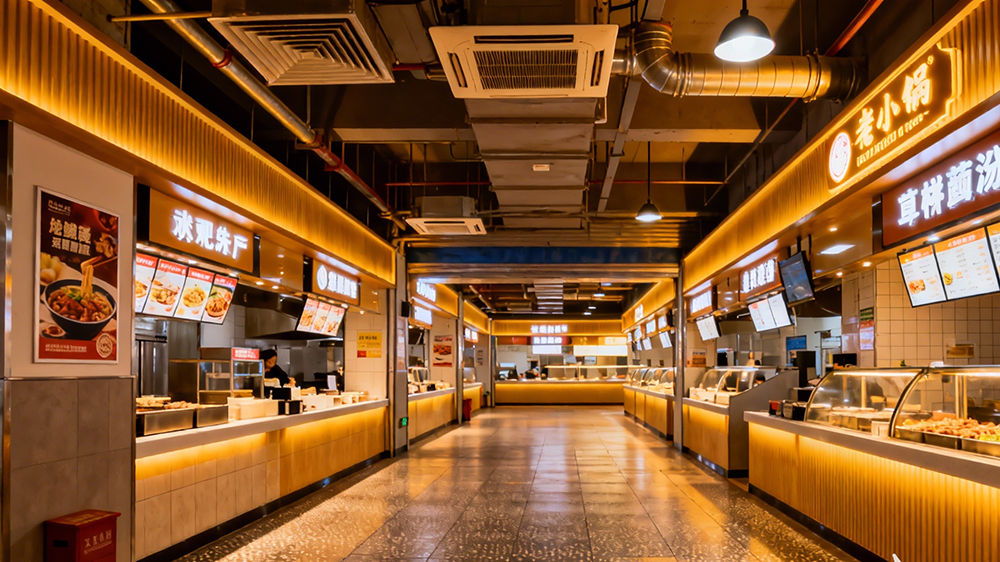
Picture the scene: it's peak dinner service at a bustling basement restaurant. Suddenly, a foul odor fills the air, and wastewater begins to creep up from the floor drains. This is the nightmare scenario of a sewage backflow event, a catastrophic plumbing failure that can shut down a business, cause thousands in damages, and pose a serious health risk.
Basement cafés, commercial kitchens, and subterranean restrooms are uniquely vulnerable to this problem. Their position below the municipal sewer line creates a constant risk, especially during heavy rainstorms. This guide explains why backflow happens and explores the essential engineering and pump solutions that can protect your property.
Understanding the inherent risks of a basement location is the first step toward effective prevention. Three key factors work against below-ground plumbing systems.
Gravity Works Against You
Basement plumbing fixtures, like toilets and floor drains, sit below the level of the main city sewer lines. This means wastewater cannot drain away naturally using gravity. Instead, it must be actively pumped upward into the municipal system, creating a dependency on mechanical equipment.
Building Drains Are a Two-Way Street
A building's sewer system is designed for outflow, but it's not immune to reverse flow. When pressure builds in the municipal sewer main, that wastewater needs somewhere to go. It will seek the path of least resistance, which is often the lowest exit point in the area—your basement drains.
Heavy Rain Is the Biggest Threat
Intense storms overwhelm urban sewer systems. The sudden influx of rainwater can cause manholes to overflow and, more critically, send a surge of pressurized sewage backward into connected buildings. This is the most common cause of severe backflow incidents.
Backflow isn't a random event; it's the result of specific hydraulic failures. The primary causes include:
Sewer Line Overload: During peak hours, simultaneous flushing from multiple restaurants and residences can strain the system. Add stormwater infiltration, and the volume can quickly exceed the pipe's capacity.
Blockages and Grease: Restaurant wastewater is filled with fats, oils, grease (FOG), and food solids. Over time, these materials accumulate inside pipes, narrowing the passage and creating blockages that cause waste to back up.
Pressure Spikes: Sudden pressure surges in the municipal main, caused by blockages or storm surges, can forcefully push sewage back into your building's drain lines.
Pump Failure or Power Outages: Since basements rely on pumps, any mechanical failure or power loss instantly cripples the drainage system, making a backflow event almost certain.
While the entire basement is at risk, certain areas are more prone to damage and contamination:
Basement restaurants and commercial kitchens
Staff toilets and guest restrooms
Food preparation and dishwashing stations
Low-lying storage rooms and service corridors
A multi-layered defense is the only way to protect a basement establishment effectively. Combining mechanical, structural, and strategic solutions provides comprehensive protection.
1. Sewage Lifting Stations
A sewage lifting station is a non-negotiable for any basement. This system collects wastewater in a sealed sump or basin and uses a pump to lift it up to the level of the sewer line. It is the fundamental solution that counters the problem of gravity and prevents reverse flow.
2. Grinder and Cutter Pumps
Standard pumps can struggle with the solids found in commercial wastewater. Grinder and cutter pumps are designed to macerate solids, grease, and foreign objects before they can cause a clog. This is vital for maintaining flow during peak usage periods.
3. Check Valves and Anti-Backflow Valves
These one-way valves are a critical line of defense. Installed in the discharge pipe, they allow wastewater to flow out but automatically slam shut if pressure from the sewer main tries to push sewage back in.
4. Flood Barriers
Protecting the building envelope is just as important. Deployable flood barriers for doorways and manhole covers can prevent surface-level floodwater from entering your basement during a storm.
5. Stormwater Separation Strategy
Where possible, separating rainwater drainage from the sanitary sewer system significantly reduces the load on your pipes during a storm. This prevents rainwater from contributing to a sewer overload and subsequent backflow.
Your pump system is your primary defense. Designing it for reliability is key.
Pump Redundancy (N+1): A robust system includes at least two pumps. One pump operates while the other remains on standby, ready to take over instantly in case of failure or if the inflow exceeds the capacity of a single pump.
High-Head Pumps: These pumps are engineered to push water vertically against significant pressure. They ensure drainage continues even when the municipal sewer main is pressurized during a storm.
Dual Power Sources: Power outages are common during storms. A backup generator or an uninterruptible power supply (UPS) ensures your pumps keep running when you need them most.
Smart Controls and Alarms: Modern control panels automate pump operation based on water levels. They also provide essential alerts for high levels, pump failure, or overload, giving you time to respond before a disaster occurs.
When a major storm hits, you need an emergency plan.
Overflow Bypass Tanks: These tanks provide temporary storage for excess wastewater during an extreme rainfall event, releasing it back into the system once the storm has passed.
Variable Frequency Drives (VFDs): A VFD allows pump speeds to adjust automatically. As storm intensity and inflow increase, the pump can ramp up its rate to match the demand.
Regular Grease Trap Cleaning: Clogged grease traps are a leading cause of internal blockages. Keeping them clean is especially important before the rainy season to ensure they can handle increased flow.
An advanced system is only effective if it's well-maintained. A simple maintenance schedule can prevent the vast majority of failures.
Monthly: Test sewage pumps to ensure they are operational.
Annually: Inspect check valves for proper function and signs of wear.
Quarterly: Clean sumps and remove sludge buildup that can foul pumps.
Regularly: Verify that your emergency power source is functional.
Seasonally: Conduct preventive inspections before the rainy season begins.
For basement restaurants, cafés, and restrooms, the risk of sewage backflow is a constant and serious threat. The combination of gravity, system overloads, and storm surges creates a perfect storm for catastrophic plumbing failures.
However, these events are preventable. A well-designed system that includes sewage lifting stations, grinder pumps, and backflow valves provides a powerful defense. By investing in redundant pumps, backup power, and a consistent maintenance schedule, building owners and facility managers can safeguard their properties, protect public health, and ensure business continuity—no matter what the weather brings. Don't wait for a disaster to happen; implement a complete prevention system today.
Address
No.17 XeDa Jimei Ind. Park, Xiqing Economic Development Area, Tianjin, China
Telephone
+86 13816508465
QUICK LINKS