+86 13816508465
Dec. 22, 2025

Imagine a fire breaking out on the 30th floor of a bustling office tower or in the center of a sprawling shopping mall. The alarms blare, and the evacuation begins. Firefighters arrive within minutes, ready to combat the blaze. They connect their hoses to the standpipe system, expecting a powerful surge of water to knock down the flames.
But instead of a torrent, they get a weak stream. The pressure is insufficient to reach the upper floors or cover the vast square footage of the complex.
This nightmare scenario highlights a critical vulnerability in many large structures. Municipal water supplies are designed for general public use, not necessarily for the extreme hydraulic demands of fighting a fire in a high-rise or large-scale facility.
To bridge this gap, commercial buildings rely on a dedicated fire pump system. This infrastructure acts as the heart of your building's life safety strategy. It ensures that when seconds count, water is delivered where it is needed most, at the pressure required to save lives and property.
In this article, we will break down exactly what a fire pump system is and detail the five critical reasons why your commercial property cannot afford to be without one.
At its simplest, a fire pump system is an independent assembly designed to do one job: supply adequate water pressure and flow to your building's fire protection features, such as sprinklers, standpipes, and hydrants.
It does not 【create】 water; rather, it takes water from a source and boosts its energy to ensure it can travel through your building's piping network effectively.
Key Components
A robust system is made up of several distinct parts working in unison:
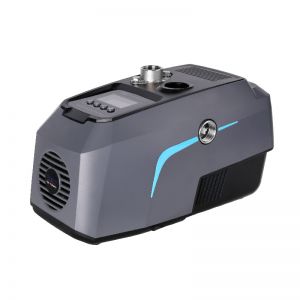
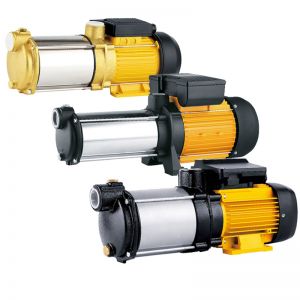
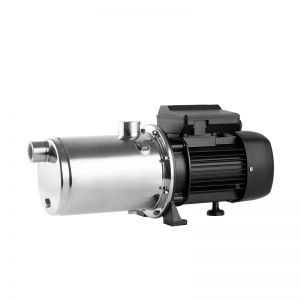
The Fire Pump: This is the heart of the system. It is usually a centrifugal or vertical turbine pump that physically moves the water.
The Driver: This is the muscle that powers the pump. It is typically either an electric motor or a diesel engine.
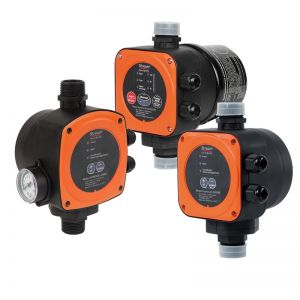
The Controller: Think of this as the brain. It monitors system pressure and tells the pump when to turn on (and in some cases, when to stop).
Water Supply: The pump needs a dedicated source. This is often a large on-site fire water tank, a reservoir, or a specialized connection to the municipal supply.
Distribution Piping: A network of pipes separate from your domestic water plumbing, specifically for fire protection.
How It Works
The operation is straightforward but vital. When a fire activates a sprinkler head or a firefighter opens a hose valve, the pressure in the fire protection piping drops.
A pressure sensing line detects this drop and signals the controller. The controller immediately activates the driver, which powers the fire pump. The pump draws water from the dedicated supply, boosts the pressure significantly, and pushes the water through the piping to the active fire suppression outlets.
The most practical reason for installing a fire pump is simple physics. Water is heavy, and pushing it against gravity requires immense force.
The Challenge of Height
Municipal water systems typically maintain enough pressure to serve low-rise residential or commercial buildings—perhaps two to three stories. However, if you own a high-rise structure, the public water pressure is almost never sufficient to push water to the top floors. A fire pump provides the necessary boost to overcome gravity, ensuring a sprinkler on the 50th floor works just as effectively as one on the ground floor.
The Challenge of Scale
Even in single-story buildings, size matters. Large warehouses, industrial plants, or shopping malls have massive footprints. If a fire breaks out, the volume of water required to supply hundreds of activating sprinklers simultaneously is enormous. Drawing this volume solely from a standard city main could cause a catastrophic pressure drop, rendering the sprinklers ineffective. A fire pump ensures high-volume flow is maintained across the entire facility.
For commercial building owners, compliance is not optional. Fire pump systems are heavily regulated to ensure they perform when needed.
Code Compliance
Building codes, such as the International Building Code (IBC) and the International Fire Code (IFC), mandate specific fire protection measures based on your building’s height, area, and occupancy type. These codes often reference NFPA 20 (Standard for the Installation of Stationary Pumps for Fire Protection). If your building’s hydraulic demand exceeds what the public water supply can provide, a fire pump is legally required to obtain a Certificate of Occupancy.
The Insurance Imperative
Beyond the law, there is the matter of financial protection. Insurance carriers are in the business of risk management. They often mandate certified, well-maintained fire pump systems as a prerequisite for coverage. A compliant system demonstrates to insurers that you are a lower risk, which can significantly reduce your premiums. Conversely, lacking a necessary system—or failing to maintain it—can lead to denied claims or voided policies after an incident.
Relying 100% on public infrastructure can be a gamble during a crisis.
Municipal Supply Uncertainty
Public water mains are subject to their own set of risks. They can suffer from breaks, scheduled maintenance shutdowns, or pressure fluctuations during peak usage times. Furthermore, if a major fire occurs nearby, the demand on the public main might reduce the pressure available to your building.
Assured Water Supply
Dedicated fire pump systems often pull from on-site storage tanks rather than relying solely on the live municipal connection. This ensures that you have a guaranteed volume of water available immediately, regardless of what is happening with the city's utility infrastructure. It provides a layer of independence that is critical for disaster resilience.
When viewing fire safety through an investment lens, a fire pump system offers an exceptional Return on Investment (ROI) by mitigating potential losses.
Rapid Fire Control
Fire spreads exponentially. A fire pump ensures that your sprinkler system operates at its design pressure, which is crucial for suppressing a fire in its incipient stage (the beginning). Effective early suppression prevents a small trash can fire from becoming a structural inferno.
The Cost of Downtime
Consider the cost of the pump system against the alternative: the total loss of the building. But beyond physical rebuilding, consider business interruption. If your facility burns down, revenue stops. You lose tenants, inventory, and data. The reputational damage can be irreversible. A fire pump acts as a critical risk management tool, ensuring that if a fire occurs, the damage is limited, and operations can resume quickly.
While we often discuss assets and compliance, the primary function of any fire protection system is life safety.
Buying Time for Evacuation
Effective fire control slows the spread of smoke and toxic fumes. This buys precious minutes for occupants to find exits and evacuate safely. In a high-rise, where evacuation takes longer, this time is the difference between life and death.
Supporting Firefighter Operations
Firefighters are brave, but they need tools to do their jobs. They depend on your building’s standpipe system to provide water for their hoses. If the pressure is weak, they cannot perform an interior attack safely. A fire pump provides the reliable, high-performance water supply that first responders rely on to save your tenants and protect themselves.
Q1: Does every commercial building need a fire pump?
A: No. The requirement is not universal. It depends on hydraulic calculations. Factors include the building's height above grade, total floor area, occupancy classification, and the existing pressure of the public water supply. A qualified fire protection engineer must conduct a hydraulic analysis to determine if a pump is necessary.
Q2: If we have a fire pump, do we still need a municipal connection?
A: Yes, in most cases. The municipal supply is typically the primary source of water, or it is used to refill the on-site fire water storage tank. Remember, a pump boosts pressure—it does not create water. You still need a source for the pump to draw from.
Q3: What kind of maintenance is required?
A: You cannot install it and forget it. Rigorous maintenance per NFPA 25 is critical. This includes weekly visual checks to ensure the system looks normal, monthly "churn" tests (running the pump without flowing water), and annual full-flow performance tests. Neglecting this maintenance not only endangers lives but can also lead to heavy fines and insurance cancellations.
A dedicated fire pump system is not an optional luxury or a simple building upgrade. It is a fundamental component of a commercial building's life safety strategy, risk management plan, and legal framework. It ensures that when the unexpected happens, your building has the muscle to fight back.
If you are a building owner or facility manager, here are your immediate next steps:
1. Assess: Review your current building specifications. Understand your specific requirements based on current codes and the hazards present in your facility.
2. Consult: Don't guess. Engage a qualified fire protection engineer. They can design a new system or evaluate your existing one to ensure it meets hydraulic demands.
3. Commit: If you have a system, fund a strict Inspection, Testing, and Maintenance (ITM) program. Ensure your documentation is up to date and your equipment is ready to perform.
Investing in proven fire protection infrastructure is one of the most responsible and financially prudent decisions you can make. It protects your investment, ensures your compliance, and most importantly, safeguards the people inside your walls.
Address
No.17 XeDa Jimei Ind. Park, Xiqing Economic Development Area, Tianjin, China
Telephone
+86 13816508465
QUICK LINKS