+86 13816508465
Pump Solutions
Jun. 25, 2026
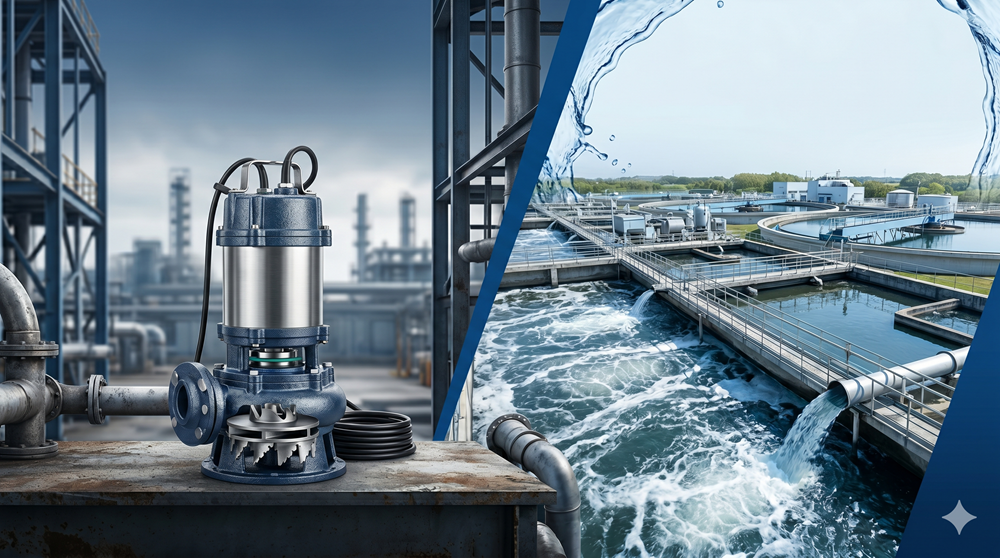
Quick answer: Submersible sewage pumps fail when rags, FOG (fats, oils, and grease), and foaming attack their impellers, mechanical seals, and flow passages. Stream Pumps overcomes this with non-clog and cutter impellers, wide flow passages, and double silicon carbide mechanical seals in an oil bath—keeping wastewater systems running through the toughest conditions.
Wastewater systems are built to move tough material. But three culprits—foaming, rags, and FOG (fats, oils, and grease)—form a trifecta of trouble that can bring even robust pumping stations to a grinding halt. Each one attacks a different vulnerable part of the pump, and together they account for a large share of unplanned downtime in municipal and industrial settings.
The damage rarely stays small. A wrapped impeller trips the motor. A grease-coated housing overheats the seals. A foam-filled wet well starves the pump of cooling liquid. The result is sudden failure, falling efficiency, and maintenance bills that climb month after month.
The way out is not constant repair—it is better engineering. Choosing a purpose-built submersible sewage pump from Stream Pumps changes the equation, because the pump is designed from the ground up to resist these exact threats.
This article breaks down how rags, FOG, and foaming damage conventional pumps, and how the advanced impellers, robust mechanical seals, and optimized flow passages in Stream Pumps' non-clog wastewater pumps overcome each challenge.
So-called 【flushable】 wipes are the single biggest threat to modern wastewater pumps. Wipes, clothing fibers, hair, and other stringy debris do not break down. Instead, they twist and bind together into dense, rope-like masses inside the wet well and pipework.
What happens when rags reach the impeller and flow passage?
When these masses enter a standard impeller, they wrap around the vanes and the leading edges. This restricts the flow passage and quickly builds into a severe blockage. As debris collects unevenly on one side of the impeller, it creates a rotational imbalance. That imbalance produces violent vibration, drives up energy draw, and eventually trips the motor on overload.
A blocked flow passage also chokes hydraulic capacity. The pump runs harder to move less water, which wastes power and accelerates wear on every moving part.
Why ragging destroys mechanical seals
The most expensive damage often happens at the shaft. Stringy material wraps tightly around the pump shaft in a process called shaft wrapping. As the wrap tightens and rotates, it tears into the mechanical seal faces. Once the seal is compromised, wastewater leaks into the motor chamber—and a flooded motor usually means a complete, costly replacement.
How Stream Pumps stops ragging
Stream Pumps tackles ragging at the source through impeller and passage design. Non-clog impellers—including vortex and cutter or chopper styles—are built to let solids pass through cleanly rather than catch them. Vortex impellers create a swirling flow that carries debris past the pump body with minimal contact. Cutter and chopper designs go further, shredding fibrous solids before they can form a mass.
Wide flow passages give solids the clearance they need to move through without bridging. Anti-ragging features such as back vanes actively push debris away from the seal area, protecting the shaft and keeping the mechanical seal clean. For stations plagued by wipes, a cutter-style non-clog wastewater pump is the strongest defense.
FOG—fats, oils, and grease—rarely causes a dramatic, instant failure. Its danger is gradual. FOG enters the system from kitchens, food processors, and restaurants, then coats the wet well surfaces and the pump housing. Over time it cools, hardens, and accumulates into thick, stubborn layers.
How FOG causes overheating and seal failure
Submersible sewage pumps depend on the surrounding liquid to carry heat away from the motor. When a thick layer of grease coats the pump housing, it acts as insulation and blocks heat dissipation. The motor and seal area run hotter and hotter.
That heat does real damage. High operating temperatures degrade the elastomers inside the mechanical seal, hardening and cracking them until they leak. Sustained overheating also leads to premature motor burnout—one of the most expensive failures a station can suffer.
How FOG strangles flow passages
As grease builds up inside the flow passages, the effective cross-section shrinks. The pump's hydraulic capacity drops, efficiency falls, and energy consumption rises to maintain the same output. Operators often see climbing power bills long before they identify FOG as the cause.
How Stream Pumps manages FOG
Effective FOG management starts with keeping the wet well from going stagnant. Stream Pumps pairs the right submersible sewage pump with flush valve systems that stir the well at the start of each pump cycle, breaking up the grease layer before it can settle and harden. High-efficiency vortex impellers keep the contents agitated and moving, which prevents FOG from caking around critical components. The result is steadier efficiency, lower energy use, and far less manual cleaning.
Foaming is the least visible of the three threats but no less destructive. Detergents, surfactants, organic imbalances, and turbulence whip the wastewater into a thick foam that fills the upper wet well and disrupts normal pump operation.
How foam causes cavitation in the impeller
Foam is mostly air. When a pump draws in foam, it pulls air into the impeller and loses prime. This air entrainment leads to cavitation—a violent process where air and vapor bubbles form and then implode against the impeller and flow passage surfaces. Each implosion strikes with enough force to chip away at the metal. Over time, cavitation literally eats the impeller and flow passages, pitting the surfaces and wrecking hydraulic performance.
Why foaming triggers dry running and seal failure
When foam replaces solid liquid around the pump, the mechanical seals lose the liquid they rely on for lubrication and cooling. This is dry running. Without lubrication, the seal faces grind against each other under extreme friction and heat. Conventional seals can shatter almost instantly under these conditions.
How Stream Pumps defends against foaming
Stream Pumps protects against foaming with two engineering strengths. First, robust double mechanical seals run in an oil bath. The oil keeps the seal faces lubricated and cooled even during the temporary dry-running episodes that foaming creates, buying critical protection time. Second, superior hydraulic design maintains stable suction conditions, which minimizes air entrainment and reduces the cavitation that foam would otherwise cause. Together, these features keep the pump running where a standard unit would fail.
Stream Pumps has manufactured water and wastewater pumps since 1997, supplying customers in more than 110 countries. Its non-clog submersible sewage pumps are engineered specifically for the harshest municipal and industrial conditions.
Key engineering highlights include:
Heavy-duty cast iron construction for strength and optimal heat dissipation, even under load.
Double mechanical seals in silicon carbide for ultimate protection of the motor chamber against leaks.
Non-clog and cutter impeller options tailored for high-solid, fibrous, and FOG-heavy environments.
Optimized, wide-channel flow passages that prevent rag accumulation and maintain hydraulic capacity.
The value is straightforward: less downtime, lower maintenance costs, and reliable performance in conditions that defeat ordinary pumps. For operators tired of emergency call-outs, the right pump pays for itself in saved labor and avoided motor replacements.
Which Stream Pumps option should you choose?
Choose a vortex non-clog impeller if your station handles high solids and FOG and you want minimal contact between debris and the pump body.
Choose a cutter or chopper grinder pump if wipes and fibrous material are your main problem and you need solids shredded before they can wrap the shaft.
Choose a model paired with a flush valve system if FOG buildup and wet well stagnation drive your maintenance costs.
Rags, FOG, and foaming are inevitable in wastewater. Pump failure is not. Each threat targets a specific weak point—the impeller, the mechanical seal, or the flow passage—and each can be answered with smarter engineering. By focusing on non-clog impeller design, double-seal protection, and generous flow passage clearance, operators can keep their stations running through conditions that would cripple conventional equipment.
Are you facing persistent clogging, grease buildup, or seal failures? Visit www.streampumps.com to explore the full range of submersible sewage pumps engineered for your toughest applications. Contact the Stream Pumps experts for a tailored pumping solution built around your wet well's specific challenges.
What is a non-clog submersible sewage pump?
A non-clog submersible sewage pump is designed with wide flow passages and specialized impellers—such as vortex, cutter, or chopper types—that allow solids and fibrous debris to pass through or be shredded rather than collected. This prevents the blockages that cause downtime in standard pumps.
Why do flushable wipes clog sewage pumps?
Despite the label, flushable wipes do not break down in water. They bind with other fibers into rope-like masses that wrap around impellers and pump shafts, causing blockages, vibration, motor trips, and torn mechanical seals.
How does FOG reduce pump efficiency?
FOG (fats, oils, and grease) coats the pump housing and flow passages as it hardens. The coating insulates the motor and blocks heat dissipation, causing overheating, while narrowed flow passages reduce hydraulic capacity and raise energy consumption.
What causes a submersible pump's mechanical seal to fail?
Common causes include shaft wrapping from rags tearing the seal faces, overheating from FOG insulation degrading the seal elastomers, and dry running during foaming events that strips away lubrication. Double mechanical seals in an oil bath protect against all three.
Can a sewage pump handle foaming wastewater?
Yes, if it is properly engineered. Foaming risks cavitation and dry running, but pumps with double mechanical seals in an oil bath and stable hydraulic designs—like Stream Pumps' submersible sewage pumps—resist both and keep operating reliably.
How do I choose the right submersible sewage pump for my application?
Match the impeller to your dominant challenge: vortex impellers for high solids and FOG, cutter or chopper designs for wipes and fibrous material, and flush valve pairings for stations prone to grease buildup. Stream Pumps' engineers can recommend the right configuration for your conditions.
Address
No.17 XeDa Jimei Ind. Park, Xiqing Economic Development Area, Tianjin, China
Telephone
+86 13816508465
QUICK LINKS