+86 13816508465
Pump Solutions
May. 26, 2026
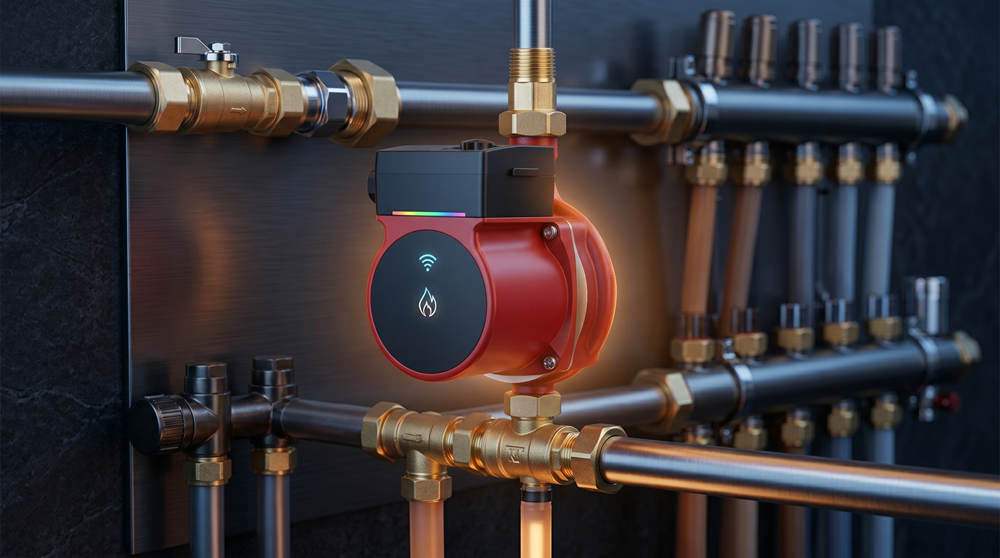
Quick answer: A Domestic Hot Water (DHW) recirculation pump eliminates the wait for hot water by creating a continuous plumbing loop that keeps hot water actively circulating throughout a building. This system prevents water waste, maximizes energy efficiency using smart controls, and protects drinking water safety by mitigating Legionella bacteria risks in stagnant pipes.
You turn on the shower or faucet and wait. Seconds turn into minutes. The water remains stubbornly cold. This delay is a universal frustration, but for high-end villas, luxury hotels, and commercial facilities, it represents a massive double cost. First, it compromises the premium occupant experience. Second, it flushes thousands of liters of perfectly clean, expensive potable water down the drain every single year.
For Mechanical, Electrical, and Plumbing (MEP) engineers and facility managers, solving this issue is a top priority. Standard plumbing systems simply cannot deliver immediate hot water to distant fixtures without intervention. The definitive engineering solution for instant hot water is the Domestic Hot Water (DHW) recirculation pump.
This comprehensive guide explores the physics behind DHW systems, the critical differences in installation designs, stringent global sanitary compliance, and the advanced materials required to build a safe, highly efficient plumbing network.
Traditional plumbing architectures operate as [dead-end] streets. When a user turns on a hot water tap, water flows from the boiler or water heater through the pipes to the fixture. Once the tap is turned off, the remaining hot water sits idle in the pipes. Due to ambient heat loss, this trapped water eventually cools down to room temperature. The next time a user requests hot water, all that cooled water must be pushed out of the pipe and down the drain before the fresh hot water from the boiler finally arrives at the tap.
A DHW recirculation system fundamentally changes this architecture by utilizing basic thermal and fluid dynamics. Instead of a dead end, the system uses a small, high-efficiency circulation pump to create a continuous loop. This pump gently pushes the cooling water back to the boiler or water heater to be reheated.
By maintaining a steady, low-velocity flow throughout the building's plumbing network, the DHW pump ensures the entire pipe system is primed with hot water 24/7. When a user opens a tap, hot water is immediately available, entirely eliminating the purge time and the associated water waste.
Designing a recirculation system requires choosing the right hydraulic layout based on the building's current construction phase. Installers and engineers typically choose between two main installation methods: the dedicated return line and the retrofit bypass system.
Choose a dedicated return line if you are designing a new build or executing a major [down-to-the-studs] renovation. Choose a retrofit bypass system if you are upgrading an existing building where opening walls is financially or structurally prohibitive.
The dedicated return line represents the gold standard in plumbing design. In this configuration, a separate, dedicated pipe loops from the furthest fixture in the building back to the water heater. The DHW pump is installed on this return line, actively pulling hot water through the main supply pipe and pushing it back to the heating source.
This method ensures maximum hydraulic efficiency. It completely separates the hot and cold water supplies, preventing temperature fluctuations and pressure imbalances. For hotels and luxury residences, MEP engineers mandate dedicated return lines to guarantee consistent delivery temperatures across multiple simultaneous points of use.
Older homes and existing commercial buildings often lack a dedicated return pipe. Tearing down drywall and ripping up flooring to install new plumbing is usually not an option. The retrofit bypass system solves this problem by using the existing cold water line as the return path.
Installers place a thermal bypass valve under the sink furthest from the water heater. The DHW pump, typically installed at the water heater itself, pushes hot water through the hot water line. As the water cools, the bypass valve opens, allowing the cooled water to cross over into the cold water line and travel back to the water heater.
While this saves massive installation costs and labor, it does have a minor engineering trade-off. Because the cold water line acts as the return path, the cold water tap may initially deliver slightly warm water for a few seconds until the line clears.
Drinking water safety is paramount, particularly in European markets and high-end commercial facilities globally. MEP engineers must design systems that comply strictly with local and international health codes. The most severe biological threat in domestic hot water systems is Legionella pneumophila, the bacteria responsible for Legionnaires' disease.
Stagnant, warm water provides the perfect breeding ground for these deadly bacteria. Legionella thrives and multiplies rapidly in water temperatures between 20°C (68°C) and 45°C (113°F). Traditional dead-end plumbing systems routinely fall into this dangerous temperature band as trapped hot water slowly cools.
A DHW recirculation pump mitigates this risk by keeping the water in constant motion. However, motion alone is not enough; thermal disinfection is required. Strict European sanitary standards mandate that domestic hot water systems must maintain water temperatures above 50°C (122°F) throughout the entire circulation loop. At temperatures above 50°C, Legionella bacteria cannot survive. By actively returning cooling water to the boiler before it drops into the danger zone, the DHW pump works in tandem with the heating system to ensure the building meets essential legal requirements for thermal disinfection.
Running a DHW pump continuously 24/7 consumes electricity and leads to continuous thermal heat loss through the pipe walls, even if the pipes are heavily insulated. The boiler must burn more fuel to constantly reheat this returning water. To offset these energy penalties, modern DHW pumps utilize advanced smart controls.
A timer control restricts the pump's operation to specific peak usage hours. For example, a residential system might be programmed to run only between 6:00 AM and 8:00 AM, and again from 5:00 PM to 9:00 PM. During the day when the house is empty, and overnight while occupants sleep, the pump shuts off, saving significant electrical and thermal energy.
Thermostatic control provides a more precise, demand-based approach. The pump is wired to an aquastat (a temperature sensor) mounted on the return pipe. The system only runs when the water temperature in the pipe drops below a specific setpoint (e.g., 40°C). Once the pump circulates enough freshly heated water to raise the pipe temperature back to the upper limit (e.g., 50°C), the pump shuts off. This ensures hot water is always ready while strictly limiting unnecessary pump cycles.
Many premium DHW pumps combine both timer and thermostatic controls, offering the ultimate balance of instant comfort and rigorous energy conservation.
When sourcing components, plumbing system designers must follow the golden rule of materials: standard HVAC heating pumps cannot be used for Domestic Hot Water applications. Using the wrong material will result in rapid system failure and severe contamination of the building's potable water supply.
Standard hydronic heating systems utilize closed-loop architectures. The water circulating through radiators or underfloor heating is [dead water.] Because it is repeatedly heated and never exposed to the atmosphere, all the oxygen is quickly boiled out of it. Without oxygen, standard cast iron pump housings do not rust.
Conversely, DHW systems transport [live water.] This is fresh, oxygen-rich potable water drawn directly from the municipal supply. If a cast iron pump is installed in a DHW system, the high oxygen content will aggressively oxidize the iron. The pump housing will rust rapidly, causing mechanical failure and contaminating the drinking water with toxic iron oxide sludge.
For this reason, building codes universally ban cast iron in DHW applications. DHW recirculation pumps must feature housings made from Stainless Steel, Bronze, or Lead-free Brass. These premium, corrosion-resistant metals meet strict food-grade sanitary standards, ensuring the water remains safe, clean, and potable.
A DHW recirculation system is far more than a luxury convenience. It is a critical piece of modern plumbing infrastructure and a smart investment that elevates building comfort, saves massive amounts of natural resources, and protects occupant health. By eliminating the wait for hot water, facilities can cut utility costs and provide a seamless, premium experience for guests and homeowners alike.
Designing a highly efficient, compliant plumbing network requires the right hardware. For contractors, MEP engineers, and facility managers looking to implement best-in-class solutions, the StreamPumps team is ready to assist. Contact StreamPumps today to source high-efficiency, stainless steel and bronze DHW pumps equipped with advanced smart controls that meet the strictest international sanitary standards.
How much does a DHW recirculation system cost to install?
Installation costs vary based on the method used. A retrofit bypass system with a thermal valve generally costs between $400 and $800, making it highly affordable for existing homes. Installing a dedicated return line in new construction or major renovations can cost between $1,000 and $3,000 due to the additional piping and labor required.
How long does it take to install a DHW recirculation pump?
A retrofit bypass system usually takes a professional plumber 2 to 4 hours to install under a sink and at the water heater. A dedicated return line requires running new pipes through walls and floors, which can take several days depending on the size of the building and the complexity of the plumbing network.
What are the risks of using the wrong pump for domestic hot water?
Using a standard cast-iron HVAC pump for potable water will cause rapid oxidation due to the oxygen-rich municipal water. This leads to premature pump failure, leaks, and severe rust contamination of the building's drinking water supply. Always use stainless steel, bronze, or lead-free brass pumps for DHW.
Are there alternatives to a DHW recirculation pump for instant hot water?
Yes. Point-of-use electric tankless water heaters can be installed directly under distant sinks to provide instant hot water. However, these require significant electrical upgrades (often 240V circuits) at each location, which can be far more expensive and invasive than installing a single retrofit recirculation pump at the main water heater.
Who is a DHW recirculation system best for?
This system is highly recommended for luxury homeowners, hotel facility managers, and large commercial buildings where fixtures are located far from the central water heater. It is the ideal solution for any property looking to reduce water waste, improve occupant comfort, and maintain strict thermal disinfection standards.
Address
No.17 XeDa Jimei Ind. Park, Xiqing Economic Development Area, Tianjin, China
Telephone
+86 13816508465
QUICK LINKS