+86 13816508465
Pump Solutions
Dec. 22, 2025
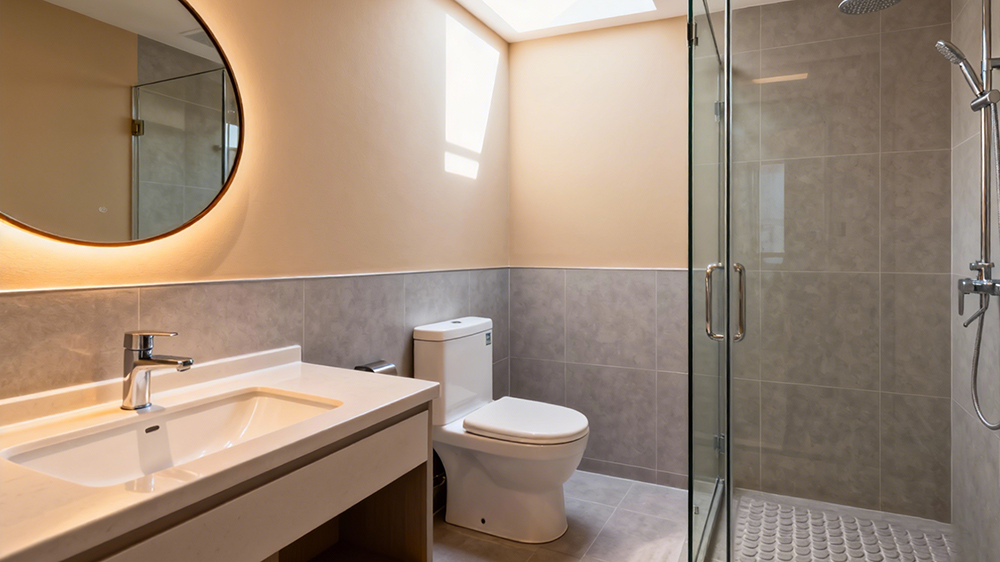
Imagine 9:00 AM on a Monday morning in a massive commercial tower. The coffee kicks in. Suddenly, thousands of people head to the restroom around the same time.
What happens when a building has 4,000 toilets flushing simultaneously during peak hours?
For the average person, this is just a bathroom break. For a hydraulic engineer or facility manager, it is a logistical nightmare. Without precise engineering, this sudden spike in demand causes water pressure to plummet on upper floors while sewage pits in the basement dangerously overflow.
Modern office complexes create extreme water demand cycles that traditional residential plumbing simply cannot handle. Designing a system for this level of usage requires a specialized approach.
This guide breaks down exactly how to engineer a reliable, efficient water pump system design for ultra-high-use commercial restrooms. We will cover everything from handling instant pressure drops to managing massive sewage surges.
Designing for average use is a recipe for failure. In a commercial building, the gap between [average flow] and [peak flow] is enormous. When you have 4,000 potential flushing points, several critical issues emerge simultaneously.
Instant Water-Pressure Drop
Thousands of toilets require a sudden, high-volume intake of water within a five-minute window. If the supply pumps cannot ramp up instantly, pressure drops. This leads to incomplete flushing, frustrated tenants, and a flood of maintenance complaints.
Sewage Volume Spikes
While water goes up, waste comes down. Massive surges in wastewater can overwhelm traditional drain systems. This causes frequent pump cycling, rapidly rising sewage pit levels, and the disastrous risk of overflow in basement levels.
Uneven Pressure Distribution
In a 50-story building, gravity fights you. High floors often suffer from low pressure (trickling faucets), while lower floors face excessive pressure that can burst pipes or cause severe water hammer.
Increased Blockage Risks
High-traffic washrooms see more than just organic waste. Paper towels, hygiene products, and foreign debris dramatically increase the risk of pump clogging. A single clogged pump during peak hours can shut down an entire zone.
To solve these problems, you cannot just install a bigger pump and hope for the best. A complete commercial restroom engineering solution must integrate two distinct but synchronized systems:
1. Water Supply + Pressure Boosting: Getting clean water to the fixtures instantly.
2. Sewage Handling + Wastewater Pumping: Removing waste efficiently without clogs or backflow.
Both systems must be sized specifically for peak demand, not daily averages.
Part 1: Water Supply Solution for 4,000 Toilets
The first challenge is delivery. You need to ensure the toilet on the 40th floor flushes with the same power as the toilet on the ground floor.
Peak-Demand Flow Calculation
You must model usage based on specific time windows. Engineers often use a [five-minute peak window] model. If 15% of the 4,000 toilets flush within five minutes, your system must supply that specific volume immediately, without a pressure dip.
Central VFD Booster Pump System
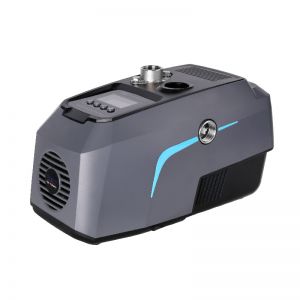
Standard pumps run at one speed: full blast. This is inefficient and damaging. The solution is a Variable Frequency Drive (VFD) booster pump system.
VFD systems detect drops in pressure the moment toilets start flushing. They automatically spin up the motors to match the demand. When demand slows, the motors slow down. This provides massive but stable pressure exactly when needed.
Zonal Pressure Boosting
Trying to pump water from the basement to the roof in one go creates dangerous pressure levels at the bottom. Instead, successful designs divide the building into pressure zones:
Low Zone: Floors 1–15
Middle Zone: Floors 16–30
High Zone: Floors 31–50
Each zone operates on its own loop or uses pressure-reducing valves (PRVs) to ensure uniform pressure across all floors.
Water Storage Strategy
Relying solely on the municipal main line is risky.
Break Tanks: Rooftop or intermediate tanks act as buffers. They store water during off-peak hours to stabilize flow during the morning rush.
Pressure Tanks: These smaller tanks absorb minor fluctuations and prevent the pumps from cycling on and off too frequently.
Recommended Pump Types for Supply
For these applications, you need pumps capable of high heads (vertical lift).
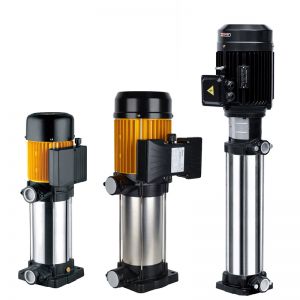
Vertical Multistage Pumps (MV Series): Ideal for high-rise buildings due to their ability to generate significant pressure efficiently.
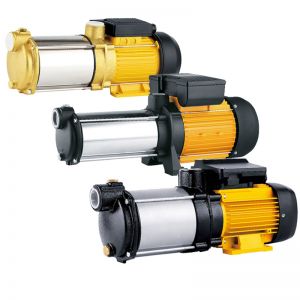
Horizontal Multistage Pumps (MH / SCMI): excellent for intermediate transfer or lower zones.
Part 2: Sewage Handling and Wastewater Pumping
Getting water up is physics; getting waste out is a dirty job that requires robust sewage handling solutions.
Distributed Sewage Lift Stations
Sending all waste from 4,000 toilets to a single basement pit creates a single point of failure. A better approach involves distributed sewage lift stations. Several floors share a 【zone lift station】 that pumps waste to the main sump. This prevents the main pit from being overwhelmed.
Using Cutting and Grinding Technology
Clogs are the enemy of commercial plumbing. In high-traffic public restrooms, people flush things they shouldn't.
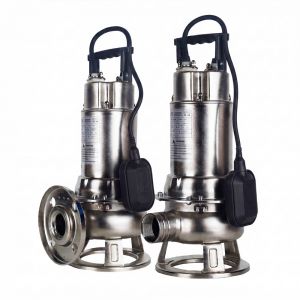
Grinder Pumps: These utilize sharp cutting mechanisms to shred paper, fabric, and solids into a fine slurry before pumping.
Cutter Pumps: A variation designed to chop solids, significantly reducing blockage risks in the discharge pipe.
Large-Channel Sewage Pumps
For the main discharge where flow is highest, use large-channel sewage pumps or [trash pumps.] These feature anti-clog impellers designed to pass solids of a certain diameter without jamming.
N+1 Redundancy Design
Never rely on one pump. An N+1 design means if you need two pumps to handle peak flow, you install three. This ensures uninterrupted operation even if one pump fails or requires maintenance.
Smart Level Control
Modern systems use precise liquid-level sensors. These sensors tell the pumps when to activate and when to stop, preventing rapid cycling. Smart controllers also rotate pump usage (alternation), so all pumps wear evenly over time.
Reliability goes beyond pumping water. You must protect the building environment.
Check Valves: Essential for preventing wastewater from flowing back into the pit once the pump turns off.
Water Hammer Protection: Sudden stops in high-volume flow create shockwaves. Arrestors absorb this shock to prevent pipe bursts.
Odor Control: High-capacity basements must have sealed pits and proper venting to ensure sewage gases do not escape into the building.
Running pumps for 4,000 toilets consumes significant power. Smart engineering reduces these costs.
VFD Control
We mentioned VFDs for pressure, but they also save energy. By adapting motor speed to real-time demand, VFDs prevent energy waste during off-peak hours.
Multi-Pump Configuration
Instead of one massive giant pump, use a set of smaller pumps. During low traffic, a single small jockey pump maintains flow. During the morning rush, the larger main pumps kick in. This ensures you only use the energy you actually need.
High-Efficiency Motors
Specify IE3 or IE4 class motors. These premium efficiency motors reduce long-term operating costs significantly, often paying for themselves within a few years of operation.
When selecting hardware for these demanding environments, look for industrial-grade specifications.
For Water Supply:
Focus on MV and MH multistage pumps. These offer the high-pressure output required for vertical boosting. Pairing them with a complete VFD booster control panel ensures the system runs autonomously.
For Sewage Handling:
Prioritize Grinder and Cutter pumps for public-facing restrooms to eliminate clog risks. For the main infrastructure, packaged lifting stations offer a 【plug-and-play】 solution that integrates pumps, valves, and controls into a single pre-assembled unit.
Buildings with thousands of toilets are not just large houses; they are complex hydraulic machines. Engineering a water pump system for this scale requires a shift in thinking. You must move away from standard sizing and embrace peak-load planning.
Success relies on an integrated approach: strong VFD booster systems for supply, distributed lifting stations for waste, and anti-clog technology to keep the flow moving.
If you are currently designing a high-density commercial project or retrofitting an older building, do not leave your hydraulics to chance. Explore professional pressure boosting systems and sewage handling solutions today to ensure your building handles the morning rush without a hitch.
Address
No.17 XeDa Jimei Ind. Park, Xiqing Economic Development Area, Tianjin, China
Telephone
+86 13816508465
QUICK LINKS