+86 13816508465
Pump Knowledge
Jun. 25, 2026
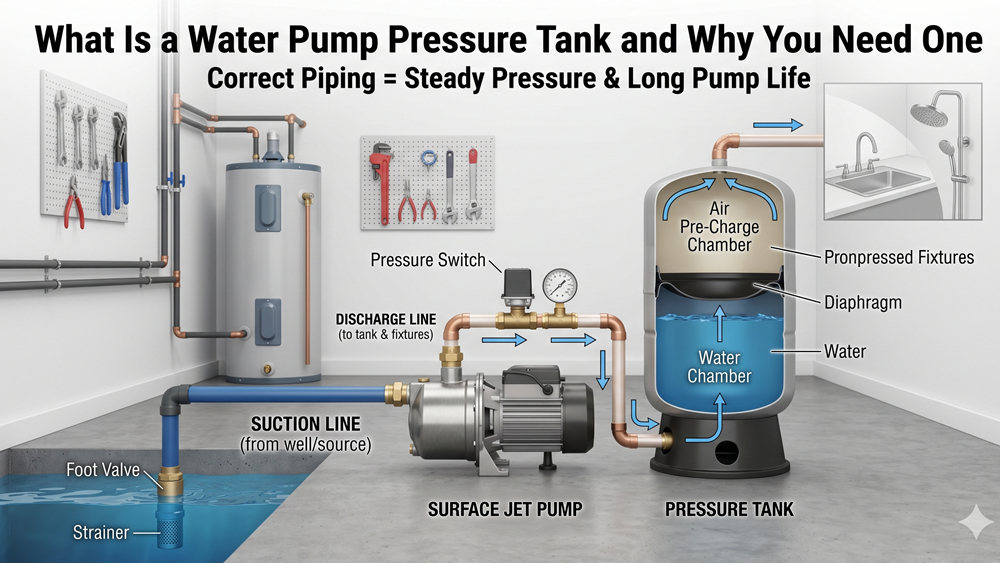
A water pump pressure tank is a steel tank with a sealed air chamber and a flexible diaphragm that stores pressurized water. It delivers water to your taps without forcing the pump to run every time, which prevents rapid on-off cycling (called short-cycling), protects the motor from burnout, and keeps household water pressure steady and comfortable.
Does your water pump kick on the instant you flush a toilet or turn on the kitchen sink? If so, your domestic water supply system is missing its most important protective component.
Running a water pump straight to your faucets without a buffer forces the motor to start and stop again and again. This rapid cycling wastes electricity, causes annoying pressure swings, and eventually wears the motor out for good. A pump that should last a decade can fail in a fraction of that time.
The fix is simple: a water pump pressure tank. This guide breaks down exactly how a pressure tank works, why it matters for your home, and how pairing one with a reliable Stream Pumps unit gives you years of smooth, dependable water delivery. By the end, you'll understand the mechanics well enough to plan or troubleshoot your own system with confidence.
A pressure tank looks like a simple metal cylinder, but the magic happens inside. A modern diaphragm pressure tank holds two separate chambers divided by a flexible rubber diaphragm (sometimes called a bladder). One side stores compressed air. The other side fills with water.
Here's the sequence that keeps your water flowing.
The anatomy of a diaphragm tank
The tank's outer shell is usually steel, built to handle constant pressure. Inside, the diaphragm flexes back and forth as water enters and leaves. The air chamber is pre-charged with a set amount of pressure before the tank ever sees water. This pre-charge is the foundation of the whole system, which is why checking it during maintenance is so important.
The physics of stored pressure
When your Stream Pumps Jet Pump or Submersible Pump switches on, it pushes water into the tank. Water cannot be compressed, so it presses against the diaphragm and squeezes the air on the other side. The more water that enters, the tighter that air gets packed.
Think of the compressed air as a coiled spring being slowly wound up. The energy is stored and ready to release the moment you need it.
The [drawdown] that gives you instant water
Open a tap, and the compressed air pushes back. It forces the stored water out of the tank and into your pipes with steady force. This stored, ready-to-use water is called the [drawdown] volume.
The result feels effortless. You get instant water pressure without the pump turning on right away. The pump only starts up when tank pressure drops below a set point, which is controlled by a pressure switch. Once the tank refills to the upper limit, the switch shuts the pump off again. That gap between the cut-in and cut-out pressure is exactly what spares your motor from constant work.
Short-cycling is the single biggest threat to your pump's lifespan, and most homeowners never see it coming.
Short-cycling happens when a pump turns on and off in rapid bursts, sometimes every few seconds, because there's no pressure tank to store water. With no buffer, even a small draw of water like a running tap or a slow toilet fill triggers the pump to fire up immediately, then shut off, then fire up again.
Why short-cycling damages your motor
The startup phase of an electric motor draws the most current and produces the most heat. A motor that starts hundreds of extra times a day faces serious strain. Constant restarting wears down the motor bearings, breaks down the mechanical seals, and drives your energy bill up fast.
Over time, this abuse leads to early motor burnout. Many pumps blamed for being [low quality] were actually healthy units killed by short-cycling that a proper pressure tank would have prevented.
How a pressure tank stops short-cycling
A correctly sized pressure tank works like a shock absorber for your whole system. It holds a reserve of pressurized water, so small water demands are met by the tank instead of the pump. The motor gets time to rest between cycles, and runs far less often. That single change dramatically extends water pump life and cuts your running costs.
If you want one clear reason to install a pressure tank, this is it: a pump that rests is a pump that lasts.
Not every pump requires a pressure tank, so it helps to know where one belongs and where it doesn't.
Surface jet pumps for whole-house supply
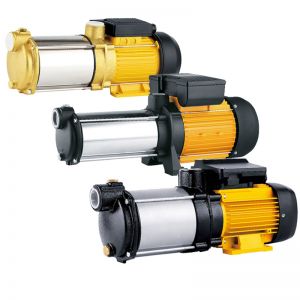
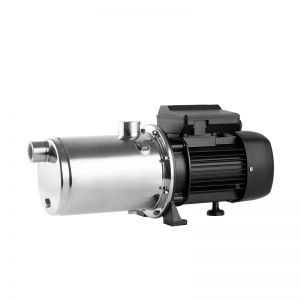
If you're using a Stream Pumps Surface Jet Pump to draw water from a shallow well or a municipal storage tank to supply your whole house, a pressure tank is essential. Pairing a jet pump with a pressure tank turns it into a fully automatic booster station. Instead of running constantly, the pump fills the tank, shuts off, and lets the tank handle everyday demand.
Domestic submersible pumps for wells and cisterns
When you use a Stream Pumps high-head Submersible Pump to deliver drinking water from a deep well or an underground rainwater cistern to your household fixtures, a pressure tank keeps indoor water pressure stable and comfortable. Without it, you'd notice pressure drops every time someone opened a faucet elsewhere in the house. With it, showers stay strong and appliances run smoothly.
Pumps that don't need a pressure tank
Some pumps are built for continuous drainage rather than pressurized supply, and these don't need a pressure tank. Stream Pumps utility and drainage pumps used to clear a flooded basement, along with sewage pumps moving wastewater, are designed to run until the job is done. Because they aren't feeding pressurized water to fixtures, a pressure tank serves no purpose for them.
A great water system comes down to matching a reliable pump with the right supporting components. Stream Pumps has manufactured water pumps since 1997 and supplies products to more than 110 countries, with engineering built around robust motors, durable impellers, and strong continuous-duty ratings.
Here's what a well-built system looks like in practice:
A quality pump as the power source, such as a Stream Pumps Surface Jet Pump or Submersible Pump.
A correctly sized pressure tank to store water and absorb demand.
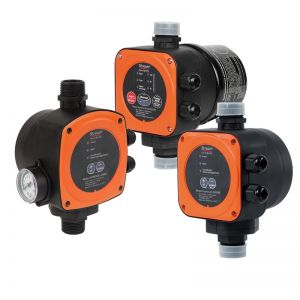
A pressure switch to control when the pump turns on and off.
When these three parts work together, the payoff is a [city-water experience] at home: smooth, reliable, consistent pressure for your showers, washing machine, dishwasher, and lawn sprinklers. The pump runs less, lasts longer, and uses less electricity. You get comfort and savings at the same time.
A quick tip on sizing
Choose a larger pressure tank if your household uses a lot of water or if you want to minimize how often the pump cycles. A bigger drawdown volume means longer rest periods for the motor. For smaller homes or limited space, a compact tank still delivers the core benefit of preventing short-cycling. When in doubt, match the tank's drawdown capacity to your pump's flow rate, and lean toward the larger option if your budget allows.
Your water pump is the heart of your home's plumbing, but the pressure tank is the brain that keeps everything running smartly. Without it, your pump faces nonstop strain, your energy bills climb, and your water pressure jumps around. With it, you get stable pressure, lower running costs, and a motor that lasts for years.
The takeaway is straightforward. If you rely on a pump for your household water, a properly sized pressure tank isn't optional, it's the component that protects your entire investment.
Ready to build a reliable, automatic water supply system for your home? Visit www.streampumps.com to explore the full range of Surface Jet Pumps and Submersible Pumps, engineered to power your home's pressure system for the long haul.
How much does a water pump pressure tank cost?
Pricing depends on tank size and build quality. Small tanks suited to apartments or single-family use sit at the lower end, while large-capacity tanks for high-demand households cost more. Because a pressure tank can dramatically extend the life of a far more expensive pump, it's one of the most cost-effective parts of a domestic water supply system.
How long does a pressure tank last?
A quality diaphragm pressure tank typically lasts several years to over a decade, depending on water quality, pre-charge maintenance, and how hard the system works. Checking the air pre-charge once or twice a year and keeping the pressure switch in good condition will help you get the most life out of it.
Can I run a water pump without a pressure tank?
You can, but it's a costly mistake for any system feeding household fixtures. Without a pressure tank, the pump short-cycles, the motor overheats and wears out early, and your water pressure fluctuates. For continuous drainage pumps like utility or sewage pumps, a tank isn't needed, but for pressurized home supply it's strongly recommended.
What size pressure tank do I need for my pump?
Match the tank's drawdown volume to your pump's flow rate and your household's water use. Larger tanks give longer rest periods between pump cycles, which protects the motor. If you have the space and budget, choosing a larger tank usually means fewer cycles and a longer-lasting pump.
Does a pressure tank improve water pressure?
A pressure tank doesn't increase your pump's maximum pressure, but it keeps pressure steady and consistent during use. That means no sudden drops when someone turns on another tap, giving you the smooth, even flow you'd expect from a municipal water supply.
Address
No.17 XeDa Jimei Ind. Park, Xiqing Economic Development Area, Tianjin, China
Telephone
+86 13816508465
QUICK LINKS