+86 13816508465
Pump Knowledge
Apr. 27, 2026
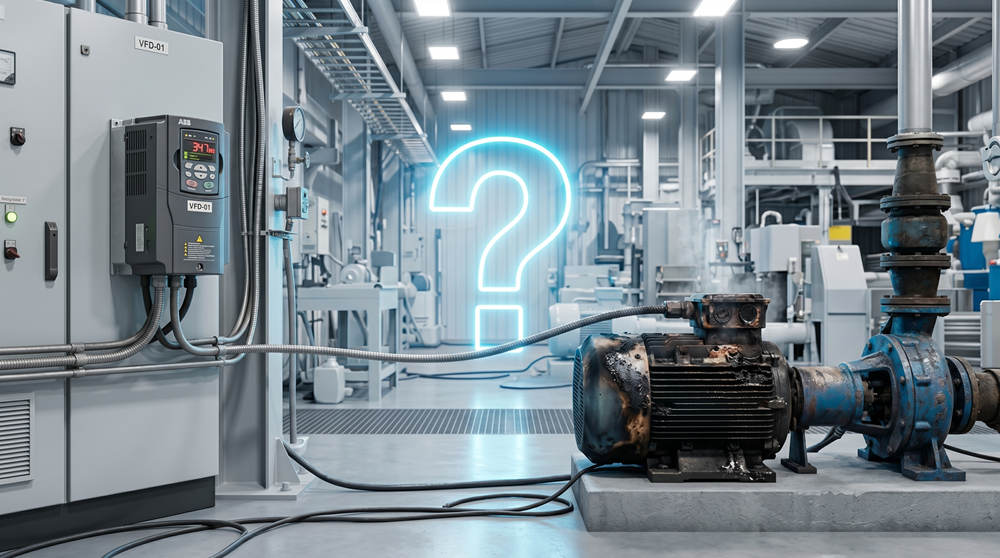
A Variable Frequency Drive (VFD) is the ultimate energy-saving tool for a water pump. When properly applied, these devices can slash your facility's energy bills and extend the mechanical life of your fluid handling systems. But if you handle the VFD water pump installation incorrectly, it can act as a silent killer, destroying a brand-new pump motor in less than six months.
I have walked into countless mechanical rooms and seen the aftermath of a botched installation. The smell of burnt copper and ozone hangs in the air, while plant managers stare at a charred motor that was supposed to last for a decade. The reality is simple: you cannot simply wire a modern VFD to any old water pump and expect miracles. The high-frequency electrical pulses create unique physical and electrical stresses that will tear apart standard equipment.
If you are an industrial electrician, facility engineer, or pump installer, you need to know exactly what goes wrong between the drive and the motor. Learn the top five most expensive variable frequency drive mistakes from the engineering team at Stream Pumps. By understanding these pitfalls, you can protect your fluid system from premature failure and keep your plant running smoothly.
When retrofitting an older system, it is tempting to hook up a shiny new VFD to the existing motor. This is almost always a fatal error for the equipment. Older, standard motors have basic wire insulation designed for smooth, continuous sine waves directly from the utility grid.
A VFD does not output a smooth sine wave. It uses Pulse Width Modulation (PWM) to chop the DC voltage into thousands of rapid pulses per second. These rapid voltage spikes will quickly eat through standard insulation. Once the insulation breaks down, the copper windings touch, causing a massive short circuit that destroys the motor instantly.
Always specify an inverter-duty motor when retrofitting a VFD. These motors feature robust Class F or Class H insulation specifically designed to withstand the harsh electrical environment created by PWM. If you want to eliminate the guesswork entirely, purchase a pre-integrated system from Stream Pumps.
One of the most common oversights in a VFD water pump installation is the distance between the drive and the motor. Sometimes the VFD control panel is mounted far away from the pump motor for convenience or space constraints. If that distance exceeds 50 feet (15 meters), you are entering the danger zone.
The electrical pulses travel down the cable from the drive to the motor. Because the impedance of the motor does not perfectly match the impedance of the cable, some of that electrical energy bounces back toward the drive. This creates a phenomenon known as reflected wave voltage. As the pulses bounce back and forth, they stack on top of each other. This can double or triple the normal voltage at the motor terminals, instantly blowing the motor windings.
Keep cable runs as short as physically possible. If a long run is mandatory for your specific facility layout, you must protect the motor. Install a load reactor or a dV/dt filter between the VFD and the pump to smooth out those destructive voltage spikes before they reach your equipment.
Operators often assume that slowing a pump down will always save energy. While reducing speed does reduce power consumption, centrifugal pumps must still overcome static head, which is the physical force of gravity pushing down on the fluid in the vertical pipe.
If you run the pump at 20% speed, it might not generate enough pressure to push water up and out of the discharge pipe. The water simply churns inside the casing, a condition known as dead-heading. The friction from the spinning impeller boils the trapped fluid, destroying the mechanical seals and melting plastic components. Additionally, the motor's internal cooling fan won't spin fast enough to cool the engine, leading to rapid overheating.
To prevent this catastrophic failure, you must establish a safe pump minimum speed. Always program a minimum speed parameter—usually between 30Hz and 35Hz—directly into the VFD settings. This ensures the pump always generates enough pressure to move fluid and keeps the motor's cooling fan spinning at an effective rate.
I have spent weeks troubleshooting phantom errors in a manufacturing plant, only to trace the problem back to a cheap piece of wire. VFDs emit massive amounts of Electromagnetic Interference (EMI) and Radio Frequency Interference (RFI) due to the high-speed switching of the IGBTs inside the drive.
If you use standard, unshielded power cables to connect the drive to the motor, the cable acts like a giant radio antenna. It broadcasts that electrical noise throughout your facility. This interference will disrupt nearby PLC sensors, scramble SCADA systems, and even knock out the building's Wi-Fi network.
Proper VFD cable shielding is a critical requirement. Always use specially designed, shielded VFD cables for the run between the drive and the motor. Ensure the shield is properly grounded at both the drive end and the motor end according to the manufacturer's specifications to safely contain the electrical noise.
Even if you use the right motor and the right cables, the VFD switching frequency induces stray voltage onto the motor shaft. This parasitic electricity constantly looks for the easiest path to the ground. In most setups, that path goes right through the motor bearings.
As the voltage discharges through the bearings, it arcs across the microscopic gap between the ball bearings and the bearing race. These micro-sparks act like tiny lightning bolts, melting small craters into the metal. Over time, this process—called fluting—creates a washboard pattern inside the bearing. The grease turns black, the motor starts screaming, and the bearing grinds itself to death long before its expected lifespan.
You must provide a safe path for shaft bearing currents to reach the ground. Install shaft grounding rings, such as AEGIS rings, which use conductive microfibers to brush against the shaft and route the electricity safely away. Alternatively, you can install electrically insulated bearings on the non-drive end of the motor to block the current entirely.
Upgrading to a VFD is a brilliant financial move for any industrial facility or commercial building. However, electrical compatibility is strictly non-negotiable. A sloppy installation will result in catastrophic equipment failure, costly downtime, and the complete loss of your hard-earned energy savings.
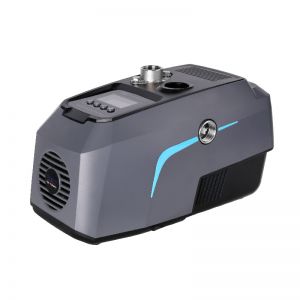
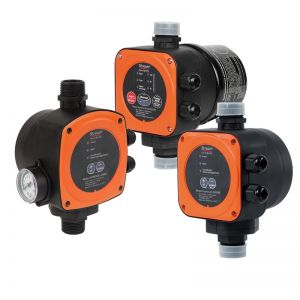
Want the energy savings of a VFD without the electrical engineering headaches? Choose the foolproof route. Contact Stream Pumps to spec our factory-tested, pre-integrated VFD pump systems, where the drive and motor are engineered to work in perfect harmony. Experience seamless Stream Pumps VFD integration today and keep your facility running smoothly for years to come.premature failure today.
Address
No.17 XeDa Jimei Ind. Park, Xiqing Economic Development Area, Tianjin, China
Telephone
+86 13816508465
QUICK LINKS