+86 13816508465
Pump Knowledge
May. 19, 2026
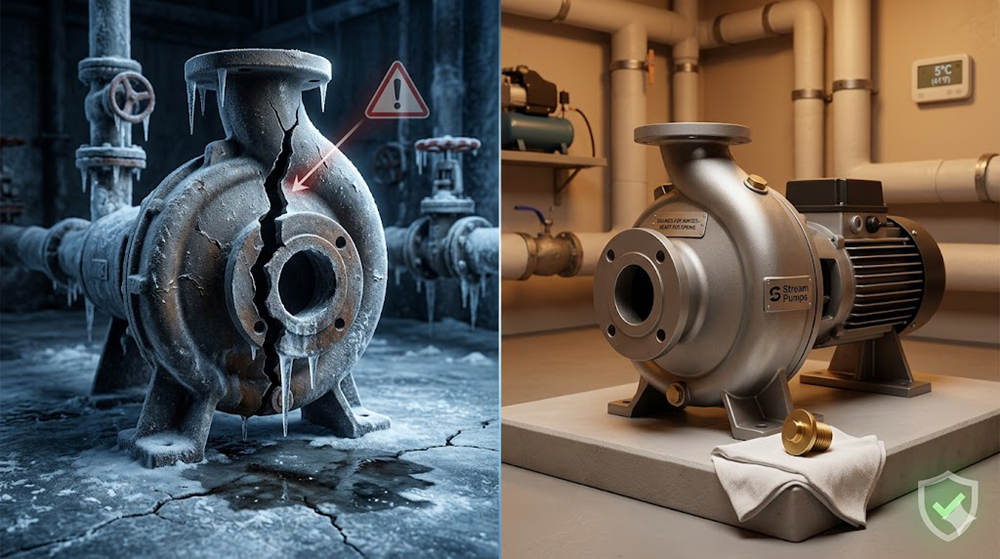
You invested in a heavy-duty cast iron or stainless steel pump, thinking it was indestructible. The metal is thick, the construction is solid, and the equipment runs flawlessly all summer long. But when winter hits, a hidden enemy takes over. A tiny amount of trapped water turns to ice, expands by roughly nine percent, and literally cracks thick metal like a fragile eggshell.
Frost damage is the number one cause of catastrophic pump failure in cold climates. Worse still, it is almost never covered by manufacturer warranties. Why? Because frost damage is one hundred percent preventable. Equipment manufacturers view a cracked casing as a maintenance oversight rather than a product defect. For facility managers, farmers, and homeowners, this means a hard freeze can lead to thousands of dollars in replacement costs and severe operational downtime.
Before the first hard freeze hits your region, you need a plan to winterize your water pump system. Proper preparation is the only way to protect your surface pumps, pipes, and valves from expensive winter destruction. Follow this definitive, step-by-step winterization guide from Stream Pumps to ensure your equipment survives the cold and is ready to operate smoothly when spring arrives.
To understand why winterizing is so urgent, you have to look at the physics of water. When water freezes, its molecules arrange themselves into a crystalline structure that takes up more space than liquid water. This expansion creates thousands of pounds of pressure per square inch. When this happens inside a rigid, closed pump volute (the casing), the ice has nowhere to go. The expanding ice pushes against the metal walls until the pressure exceeds the tensile strength of the cast iron or stainless steel. The result is a guaranteed disaster: a violently cracked pump casing that cannot be repaired.
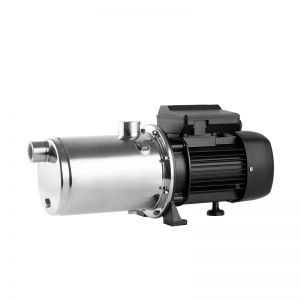
This unforgiving rule of physics applies to all surface pumps. Whether you operate jet pumps, end suction pumps, or inline multistage pumps, they are entirely vulnerable to freezing temperatures. If your equipment sits in an unheated shed, outdoors exposed to the elements, or in a drafty basement, it is at risk.
You cannot rely on the sheer thickness of the metal to save you. You must remove the water entirely. If it is above ground, it must be drained.
Executing proper Stream Pumps maintenance in the fall guarantees an easy startup in the spring. To properly drain your pump for winter, follow this highly actionable, numbered checklist.
Safety and equipment protection begin at the electrical panel. Turn off the main breaker supplying power to the pump station. You must ensure the pump cannot accidentally turn on while dry, which would quickly destroy the mechanical seals. Once the power is disconnected and locked out, close the suction and discharge valves to isolate the pump from the rest of the water system.
Locate the lowest drain plug on the pump volute (casing). Use the appropriate wrench to remove this plug. Next, open a tap or remove a plug at the highest point of the pump casing or associated piping. Opening this high point breaks the vacuum seal inside the system, allowing gravity to pull the water down and out through the bottom drain. Let the water drain completely.
While gravity does a great job, it can leave small pockets of water hiding in the curves of the casing or the piping. We highly recommend using an air compressor to blow the remaining water out of the pipes and the pump casing. Keep the compressor at a low PSI (around 30 to 40 PSI) to avoid damaging any internal components or pressure switches. A steady, low-pressure stream of air will force out stubborn moisture.
Some agricultural and industrial setups are highly complex, making complete drainage nearly impossible. For systems that cannot be completely blown out or drained, you must displace the water with antifreeze. Pump RV-grade, food-safe propylene glycol antifreeze through the casing and piping. Never use automotive antifreeze, as it is highly toxic and will contaminate ground water and soil. The non-toxic propylene glycol will safely prevent any residual fluid from freezing solid.
A common headache during spring startup is searching for lost drain plugs. Once you have removed the plugs, coat the threads in waterproof grease to prevent rust. Then, place the plugs in a small plastic bag and tape them securely to the pump motor or the electrical conduit. They will be right where you need them when the ground thaws.
When discussing frost protection for water pumps, people often ask about submersibles. The rules change depending on where the pump is located and what type of water body it sits in.
If you have a deep well submersible pump sitting 100 feet underground, the pump itself is perfectly safe. The earth acts as a massive insulator, and at that depth, the water is safely below the frost line. The pump does not need to be removed. However, the surface pipes leading from the wellhead to the house or facility are highly vulnerable. You must ensure the pitless adapter is functioning correctly and that all above-ground piping is heavily insulated or drained.
Utility pumps and pond pumps face a much harsher reality. If a decorative pond or an agricultural catch basin freezes solid, a submersible pump trapped inside will be crushed by the expanding ice. You must pull these pumps out of the water before the freeze. Clean away any algae, mud, or debris, thoroughly dry the unit, and store it in a heated garage or basement for the winter.
Not every pump can be shut down for the season. Municipal booster stations, boiler feed pumps, and certain industrial processes must run continuously, even in freezing conditions. When you cannot drain a pump, you must implement active frost protection to prevent a freeze damage pump repair scenario.
A highly effective method for keeping water liquid is the use of a heat trace cable. This electrical heating tape is wrapped directly around the metal pump casing and the exposed surface pipes. When plugged in, the cable generates a steady, controlled amount of heat. This constant warmth transfers through the metal, keeping the water inside safely above freezing temperatures.
Heat trace cables work best when paired with heavy-duty insulation. You can purchase or manufacture custom-fit thermal blankets and insulation jackets for your specific pump models. These jackets trap the heat generated by the cables and the ambient heat generated by the running motor, creating a safe microclimate for the pump station.
Flowing water rarely freezes. If your system allows for it, keeping the water constantly moving is a fantastic preventative measure. Facilities often utilize a Variable Frequency Drive (VFD) to keep the pump running at a tiny, continuous minimum speed. This constant circulation prevents ice crystals from forming inside the volute, protecting the casing from damage without wasting massive amounts of electricity.
Sometimes, winter arrives faster than expected. If you walk into your pump house and find the system encased in ice, you must act with extreme caution.
NEVER turn on a frozen pump.
If the water inside the volute is frozen, the impeller is locked in solid ice. If you flip the breaker, the electric motor will violently attempt to spin that ice-locked impeller. This will instantly snap the pump shaft, shatter the impeller, or burn out the motor entirely.
To salvage the equipment, you must thaw it slowly. Use space heaters, carefully applied heat guns, or warm thermal blankets to gradually raise the temperature of the ambient air and the casing. Do not use open flames or blowtorches, as extreme, sudden temperature changes can crack the freezing metal just as easily as the expanding ice. Once the casing is completely thawed and drained, carefully inspect the volute for hairline cracks before attempting a restart.
An hour of preventative maintenance in the fall saves thousands of dollars and weeks of frustrating downtime in the spring. By taking the time to drain your pump for winter, applying heat trace cables where necessary, and properly storing your equipment, you guarantee a smooth start to your next operational season.
Did winter already claim your equipment? If you are currently dealing with a cracked casing, a burnt motor, or looking to schedule a freeze damage pump repair, it is time to rebuild. Contact Stream Pumps today for replacement parts, heavy-duty equipment upgrades, and custom winter-ready pump enclosures. We have the expertise to keep your water flowing, no matter how far the temperature drops.
Address
No.17 XeDa Jimei Ind. Park, Xiqing Economic Development Area, Tianjin, China
Telephone
+86 13816508465
QUICK LINKS