+86 13816508465
Pump Knowledge
Feb. 27, 2026
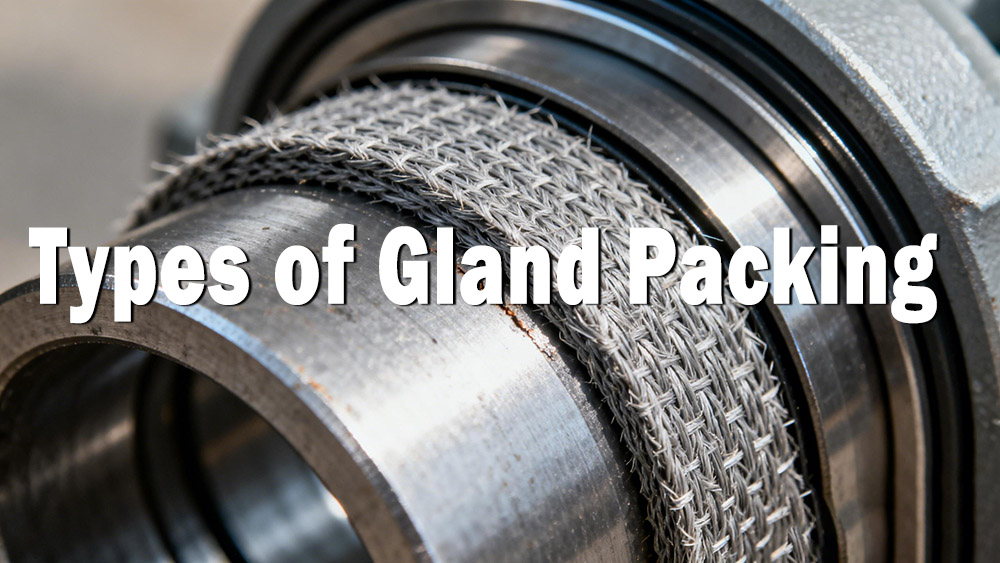
Selecting the right packing material is critical for achieving reliable sealing performance and maximizing the service life of both the packing and the pump components. Gland packing materials are diverse, each engineered with specific properties to handle different fluids, temperatures, pressures, and shaft speeds. Understanding the fundamental categories is the first step in making an informed choice for your application.
The construction of gland packing typically involves braiding yarns of a specific material into a dense, yet flexible, rope. These braids are often impregnated with lubricants like graphite or PTFE dispersion to reduce friction and enhance sealing. Let's explore the primary families of packing materials.
Once the industry standard, natural fiber packings are now used in less demanding services due to their temperature and chemical limitations. They are cost-effective and serve well in general applications with water, brine, or mild solutions.
Cotton: This is a soft, pliable packing, often impregnated with lubricants. It is suitable for low-pressure, low-speed applications, particularly with cold or hot water. Its low wear resistance makes it unsuitable for abrasive services.
Flax: Made from vegetable fibers, flax packing is known for its high tensile strength and durability. It is commonly used in marine applications, water pumps, and stern tubes, where it effectively seals against cold water and brine. However, it can absorb moisture and has limited resistance to chemicals and high temperatures.
Jute: Similar to flax, jute is another natural fiber used for basic sealing needs. It is flexible and inexpensive but shares the same limitations in terms of temperature, speed, and chemical compatibility.
Graphite and carbon packings are the go-to choice for high-performance applications, especially those involving high temperatures and aggressive chemicals. They offer excellent thermal conductivity and low friction.
Pure Graphite Packing: Made from high-purity graphite yarns, this packing provides superior sealing in extreme conditions. It has a very low coefficient of friction, excellent chemical resistance across a wide pH range, and can withstand extremely high temperatures. Its ability to dissipate heat effectively helps prevent shaft scoring.
Braided Graphite with Reinforcement: To enhance strength, graphite yarns are often braided with reinforcing materials like carbon fiber corners or Inconel wire inserts. This construction prevents extrusion under high pressure and makes the packing more robust for demanding valve and pump services.
Expanded Graphite: This material is formed by treating natural graphite flakes, which are then compressed into flexible foil or yarn. It offers exceptional conformability and creates a very effective seal with minimal gland pressure, reducing shaft wear and power consumption.
Polytetrafluoroethylene (PTFE) is a synthetic fluoropolymer renowned for its near-universal chemical resistance and extremely low friction. PTFE gland packing is a clean, non-contaminating solution ideal for industries like food and beverage, pharmaceuticals, and specialty chemicals.
Virgin PTFE: Packing made from pure PTFE fibers is exceptionally smooth and chemically inert. It is perfect for applications where contamination is a concern. Its main limitation is poor heat dissipation and a tendency to creep or cold-flow under pressure, especially at higher temperatures.
Filled PTFE: To overcome the limitations of virgin PTFE, fillers like graphite or carbon are added. Graphite-filled PTFE (GFO) packing combines the chemical resistance of PTFE with the heat dissipation and lubricity of graphite. This creates a high-performance, multi-purpose packing that runs cooler and lasts longer in a wide range of chemical services.
When an application demands extreme durability and abrasion resistance, aramid fiber packings are the solution. Aramid, often known by the brand name Kevlar, is a high-strength synthetic fiber that can withstand abrasive slurries, wastewater, and other challenging media that would quickly destroy conventional packings.
Pure Aramid: Packing braided from 100% aramid fibers is exceptionally tough and wear-resistant. It is often used in pumps handling slurries, paper stock, and other solids-laden fluids. The trade-off for its durability is that it can be abrasive to shaft sleeves, so using a hardened sleeve is recommended.
Hybrid Packings: To balance performance, aramid is often used as reinforcement. For example, a packing might feature aramid corners to prevent extrusion, with a core of PTFE or graphite to provide better lubricity and heat transfer. This hybrid construction delivers both strength and low friction, making it a versatile choice for heavy-duty applications.
Address
No.17 XeDa Jimei Ind. Park, Xiqing Economic Development Area, Tianjin, China
Telephone
+86 13816508465
QUICK LINKS