+86 13816508465
Pump Knowledge
Mar. 11, 2026
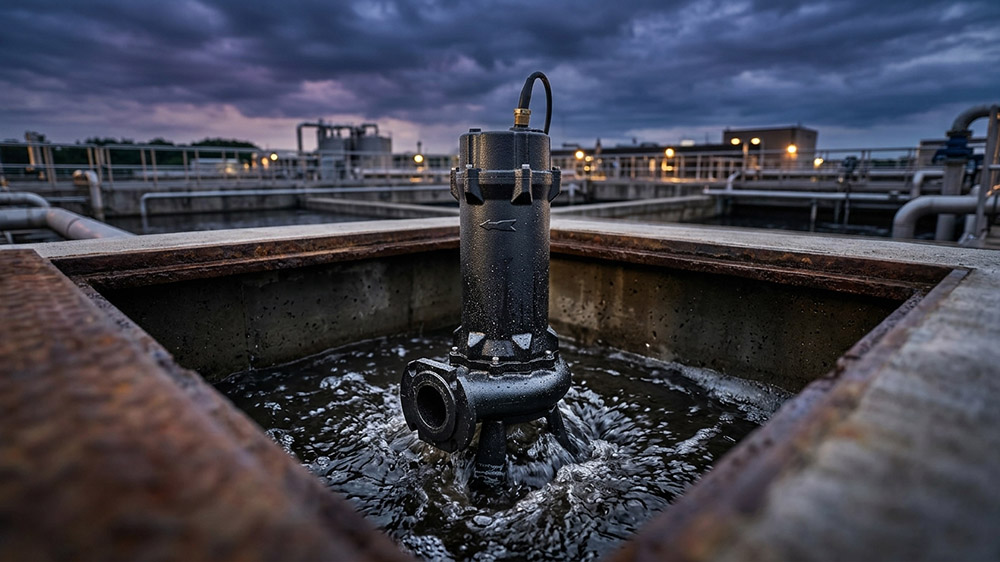
Heavy-duty maceration · Pressure sewer · High-head pumping — complete engineering overview
Wastewater management relies entirely on continuous, uninterrupted flow. When solid waste overwhelms a municipal or commercial pipeline, the entire system faces the threat of catastrophic failure. Submersible grinder pumps provide the ultimate defense against these blockages by reducing tough solids into a fine, manageable slurry before they enter the pipeline.
Engineers, facility managers, and system designers face increasing pressure to build highly reliable wastewater infrastructure. Standard gravity sewers and traditional pumps frequently fail when tasked with moving modern waste over long distances or high elevations. You need robust, engineered solutions to maintain operational efficiency and control long-term maintenance costs.
This guide provides a comprehensive look at submersible grinder pumps and their vital role in modern sewage handling. We will explore how these heavy-duty machines operate, why they outperform traditional alternatives, and how to select the exact model for your specific pressure sewer system.
Urban populations continue to expand rapidly, pushing existing wastewater infrastructure to its absolute limits. This increasing volume of urban wastewater forces municipal networks and commercial buildings to process higher fluid capacities than ever before. Facilities must frequently pump sewage over longer distances and higher elevations to reach centralized treatment plants.
Alongside the sheer volume of water, the actual composition of modern waste has undergone drastic changes. Current sewage contains a high concentration of fibrous materials, including sanitary products, thick plastics, and heavily marketed "flushable" wipes. These dense materials do not break down naturally in water. Instead, they bind together inside pipes to form massive, impenetrable clogs.
These blockages cause severe operational headaches and rapidly rising maintenance costs. When a pipe clogs, facilities face emergency repair bills, unexpected system downtime, and potential environmental fines from raw sewage overflows. Maintenance crews must spend valuable hours manually clearing fouled pumps and restricted pipelines just to keep the system running.
Traditional sewage pumps are no longer sufficient for many of these modern wastewater systems. Standard impellers simply cannot pass fibrous materials or heavy solids without jamming or burning out the motor. Because traditional pumps lack dedicated cutting mechanisms, they leave critical infrastructure highly vulnerable to clogging and failure. This fundamental limitation drives the critical need for specialized submersible grinder pumps.
A submersible grinder pump is a specialized sewage pump equipped with a heavy-duty cutting mechanism. You install these pumps directly underwater inside a collection basin or lift station. Before the pump moves any wastewater into the pipeline, its built-in blades slice and shear solid waste into tiny particles. This transforms raw sewage and tough solids into a fine, easily manageable slurry.
Engineers and facility managers rely on grinder pumps when standard gravity sewers cannot do the job. If you need to move wastewater uphill or over long distances, you need a pressurized system. By grinding the waste down, these pumps allow you to use smaller diameter pipes for your pressure sewer system. This prevents catastrophic blockages while significantly lowering your initial installation costs.
To understand why these units perform so well in harsh environments, we must look at their core construction. A reliable submersible grinder pump features five main components designed to work together seamlessly.
Grinding Cutter
The grinding cutter serves as the first line of defense against pipe blockages. Positioned at the pump inlet, this rugged steel mechanism rotates at high speeds to aggressively shear incoming solids. It easily slices through fibrous materials, sanitary products, and tough organic waste. By reducing large debris into a fine slurry, the cutter ensures the wastewater flows smoothly through narrow pressure pipes.
Pump Impeller
Once the cutter reduces the solids, the pump impeller takes over. The impeller spins rapidly to create the centrifugal force needed to push the slurry through the discharge pipe. Manufacturers typically equip grinder pumps with high-head impellers, such as vortex or semi-open designs. These specific shapes handle the processed slurry efficiently while generating enough pressure to lift the fluid up steep elevations.
Submersible Motor
A robust submersible motor provides the raw power required to drive both the grinding cutter and the impeller. Engineers design these motors to operate entirely underwater, using the surrounding sewage to naturally cool the engine. This efficient cooling method allows the pump to handle heavy-duty cycles without overheating.
Mechanical Seal
Wastewater must never reach the internal electrical components. The mechanical seal creates a watertight barrier between the wet pump end and the dry motor housing. High-quality grinder pumps utilize double mechanical seals, often made from durable silicon carbide. These heavy-duty seals withstand abrasive grit and aggressive chemicals, protecting the motor from catastrophic water damage and ensuring a long operational life.
Pump Housing
The pump housing encases and protects all internal moving parts. Because sewage environments contain corrosive elements and abrasive materials, manufacturers build these housings from heavy-duty cast iron or stainless steel. This rugged exterior resists severe corrosion, absorbs the vibrations from the grinding process, and withstands the intense pressure of deep underwater operation.
Engineers and system designers appreciate the straightforward, highly effective mechanics behind these units. The entire process happens automatically inside a dedicated collection basin or lift station. When you understand the internal sequence of operations, you can better design and maintain your pressure sewer network.
Here is the exact step-by-step operational flow of a submersible grinder pump:
1. Wastewater Enters the Collection Basin
The process begins when gravity feeds raw sewage from a residential, commercial, or municipal source into a holding tank. This basin acts as a temporary storage vault for the incoming wastewater and solid debris. The pump sits completely submerged at the bottom of this tank, waiting for the fluid to reach a specific level.
2. Float Switch Activates the Pump
As wastewater continues to fill the basin, the fluid level rises and pushes a float switch upward. Once the water hits a pre-set elevation, this switch triggers the control panel to turn on the submersible motor. This automatic activation ensures the pump only runs when necessary, saving energy and preventing dry-running damage.
3. Cutting Mechanism Grinds Solids
The moment the motor starts, the heavy-duty cutting mechanism springs into action. As the pump draws fluid into its inlet, the high-speed steel blades intercept all solid waste. The cutter aggressively shears sanitary products, fibrous materials, and organic waste into a fine, uniform slurry. This rapid maceration process eliminates large debris before it can ever reach the internal pump components.
4. Impeller Pumps Slurry Through the Discharge Pipe
Immediately after the cutting process, the processed slurry enters the pump volute. The spinning impeller catches this fluid and uses strong centrifugal force to push it upward. This generates the high pressure required to lift the heavy slurry out of the deep basin and force it through the discharge pipe toward the municipal sewer main.
The Advantage of Small-Diameter Pipelines
The most significant benefit of this entire operational process is the ability to use small-diameter pipelines. Because the pump completely pulverizes solid waste, the resulting slurry flows easily through pipes as narrow as 1.25 to 2 inches in diameter.
You no longer need to install massive, expensive gravity sewer mains. Narrow pressure pipes allow you to follow the natural contour of the land, drastically reducing deep trenching and excavation costs. This makes grinder pumps the perfect solution for areas with rocky terrain, high water tables, or significant elevation changes.
Facility managers and engineers constantly look for ways to make wastewater infrastructure more resilient. As urban areas grow and consumer habits change, standard gravity sewers frequently struggle to keep up. You need a proactive solution to handle tough solids and move fluid efficiently across difficult terrain. Submersible grinder pumps solve these critical challenges by providing four distinct operational advantages.
Preventing Pipe Blockages
Modern wastewater contains much more than just organic matter and toilet paper. People regularly flush heavy fibrous waste, including sanitary products, thick paper towels, and supposedly "flushable" wipes. These tough materials do not dissolve in water and quickly tangle together to form massive blockages inside standard sewer lines.
A grinder pump actively destroys these materials before they can cause a problem. The heavy-duty cutting mechanism aggressively shears wipes and plastics into tiny, harmless particles. By reducing this solid waste into a fine slurry, you completely eliminate the primary cause of pipe blockages. Your piping network stays clear, and fluid flows downstream without dangerous interruptions.
Enabling Pressure Sewer Systems
Traditional gravity sewers require massive, wide pipes and deep, expensive trenching to work correctly. If you build in an area with rocky terrain or a high water table, this traditional excavation becomes incredibly difficult and costly. Grinder pumps allow you to bypass these terrain issues entirely by powering a pressure sewer system.
Because the pump completely macerates the solid waste, you can safely use much smaller pipe diameters. You can install these narrow pressure pipes just below the frost line and easily follow the natural contours of the land. This flexible installation drastically lowers your initial infrastructure costs and speeds up the entire construction process.
Supporting Long Distance Pumping
Gravity-fed systems fail when you need to move wastewater uphill or across vast, flat distances. You cannot rely on a natural downward slope to push heavy sewage to a distant municipal treatment plant. You need substantial mechanical force to keep the fluid moving consistently.
Grinder pumps excel in these demanding scenarios because they generate exceptional fluid pressure. Manufacturers design these units with high-head capabilities, allowing them to push heavy slurry up steep vertical elevations. This intense pressure easily transports wastewater through miles of long pipeline, making them perfect for remote facilities and sprawling developments.
Improving System Reliability
Every time a standard sewage pump clogs, your facility loses time and money. Maintenance crews must pull the fouled pump from a dangerous, unsanitary pit to manually remove the tangled debris. This frequent maintenance causes severe system downtime and rapidly drives up your daily operating costs.
Installing a submersible grinder pump instantly improves your overall system reliability. The integrated cutter prevents fibrous materials from wrapping around the impeller and burning out the pump motor. You experience fewer emergency call-outs, practically zero pump clogging, and a massive reduction in maintenance downtime.
Engineers and system designers deploy submersible grinder pumps across a wide variety of environments. Whenever a facility faces challenging terrain, long pumping distances, or heavy solid waste, standard pumps simply cannot compete. These heavy-duty units provide a reliable solution for several distinct sectors, ensuring smooth wastewater management from private homes to massive industrial plants.
Residential Pressure Sewer Systems
Many homes sit below the municipal sewer line or rest on difficult, rocky terrain. In these situations, a traditional gravity sewer is either physically impossible or prohibitively expensive to install. Grinder pumps solve this problem by powering residential pressure sewer systems.
Homeowners frequently use these pumps to manage wastewater from basement toilets, where the plumbing sits below the main drain level. The pump effortlessly grinds daily household waste and pushes the resulting slurry uphill to the street-level sewer main. This allows developers to build houses in remote areas or challenging landscapes without worrying about deep trench excavation.
Commercial Buildings
Commercial facilities experience high volumes of unpredictable waste. Public restrooms in shopping malls and busy hotels constantly face the threat of flushed sanitary products, thick paper towels, and fibrous materials. If a main pipe clogs in a commercial building, the resulting backup can force businesses to close and cost thousands of dollars in lost revenue and emergency plumbing repairs.
Restaurants benefit heavily from submersible grinder pumps. Commercial kitchens wash a significant amount of food waste, grease, and solid debris down the drains every single day. A dedicated grinder pump completely macerates this tough organic waste, preventing severe pipe blockages and keeping the restaurant fully operational during peak dining hours.
Municipal Sewage Systems
City planners and municipal engineers use grinder pumps to build highly efficient decentralized wastewater networks. Instead of relying on a single, massive gravity sewer system, municipalities install individual grinder pumps at various properties. These pumps feed into a shared, small-diameter pressure main that carries the combined slurry to the central treatment plant.
This approach works exceptionally well for small communities and rural housing developments. Municipalities save a massive amount of money on initial infrastructure costs because they do not have to dig deep trenches for large gravity pipes. The high-head pressure generated by these pumps easily transports the municipal sewage over long distances and varying elevations.
Industrial Wastewater
Industrial facilities generate some of the toughest wastewater profiles in the world. Factories and processing plants regularly discharge heavy solid waste, chemical runoff, and abrasive manufacturing byproducts. Standard sewage pumps will quickly jam, overheat, and fail under these extreme conditions.
Food processing plants rely on industrial-grade grinder pumps to manage their daily wastewater output. These facilities wash large volumes of animal byproducts, vegetable scraps, and packaging debris into the collection basins. Submersible grinder pumps aggressively shear this solid waste down to a fine slurry, ensuring that the factory's wastewater discharge process never slows down production.
Submersible grinder pumps play a vital role in modern sewage systems by preventing pipe blockages, enabling efficient pressure sewer setups with small-diameter pipelines, and helping facilities reduce long-term maintenance costs. They offer a dependable solution for managing challenging wastewater, keeping your system running smoothly and reliably.
By aggressively shearing solid waste into a fine slurry, these heavy-duty pumps completely eliminate the primary cause of pipe blockages. You no longer have to worry about flushed sanitary products or thick plastics destroying your pipeline. This grinding action directly enables the use of highly efficient pressure sewer systems. Instead of excavating deep trenches for massive gravity pipes, you can safely install small-diameter pipelines that easily follow the natural contours of your land.
Furthermore, submersible grinder pumps provide the immense high-head pressure required for long-distance pumping. Whether you manage a residential basement, a bustling commercial restaurant, or a sprawling municipal network, these units push heavy wastewater uphill and across vast distances without failing.
Ultimately, upgrading to a grinder pump drastically improves your overall system reliability. You experience far fewer emergency pump failures, practically zero unexpected clogs, and a massive reduction in long-term maintenance costs. Your facility stays fully operational, and your maintenance crews can focus on routine checks rather than pulling fouled pumps out of hazardous pits.
Do not let outdated equipment put your critical infrastructure at risk. If you face difficult terrain, frequent pipe clogs, or long pumping distances, you need a system designed to handle the pressure. Explore reliable submersible grinder pump solutions today to find the exact engineering match for your specific wastewater needs.
Address
No.17 XeDa Jimei Ind. Park, Xiqing Economic Development Area, Tianjin, China
Telephone
+86 13816508465
QUICK LINKS