+86 13816508465
Pump Knowledge
Apr. 26, 2026
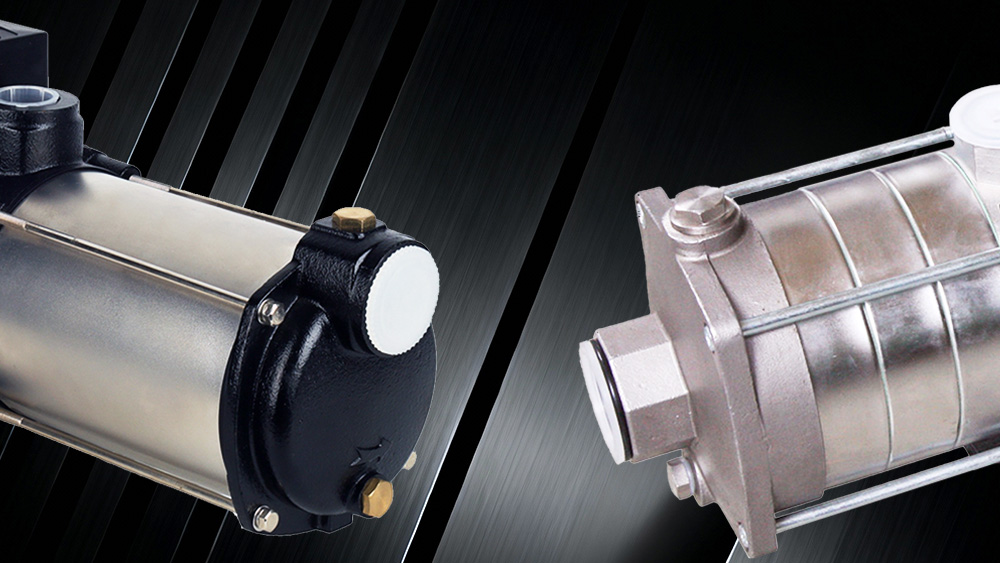
Multistage pumps generate immense internal pressure to move fluids effectively across complex industrial systems. The structural integrity of the pump’s casing is the only thing standing between high-efficiency operation and a catastrophic, high-pressure leak on your factory floor. When handling aggressive fluids or extreme temperatures, the casing design dictates the reliability, safety, and maintenance schedule of your entire fluid handling system.
In the world of multistage centrifugal pumps, engineers generally choose between two primary casing architectures: the traditional segmented (ring section) design and the modern integrated (outer sleeve/barrel) design. Each approach addresses the physics of pressure containment differently. The choice you make directly impacts system longevity and pump leak prevention.
Understanding the structural differences between a segmented vs integrated pump casing is essential for mechanical engineers and plant maintenance managers. Stream Pumps breaks down the engineering, pros, cons, and ideal applications for each casing type so you can specify the safest and most reliable equipment for your plant.
The segmented casing, often referred to as a ring section multistage pump, utilizes a modular architecture to build pressure incrementally. Engineers frequently call this the "pancake" design.
In this configuration, individual stage casings (diffusers) are stacked on top of each other. Heavy-duty external tie rods hold these individual segments tightly together. The fluid moves from one stage to the next, gaining kinetic energy and pressure as it passes through each successive impeller and diffuser pairing.
The tie rod pump design offers high flexibility. It is extremely easy to add or remove stages to customize the exact head (pressure) required for a specific application. If system requirements change, engineers can reconfigure the pump without replacing the entire unit.
Segmented pumps rely on thick cast metal components. These thicker walls can handle ultra-high pressure applications. Heavy boiler feed systems and extreme industrial environments benefit from the sheer mass and burst resistance of cast iron or heavy alloy ring sections.
The primary disadvantage of the segmented design lies in its sealing mechanism. Every single stage requires an O-ring or gasket to maintain pressure. A 10-stage pump has 10 potential external leak paths.
During operation, fluids generate significant heat. If the tie rods stretch due to thermal expansion, the clamping force weakens. This loss of tension often leads to leaks between the stages. High-pressure leaks at these joints pose safety hazards and require immediate, labor-intensive multistage pump maintenance.
The integrated casing design represents a modern approach to fluid containment. Inside the pump, the impellers and diffusers are still stacked to build pressure. However, the entire assembly is encapsulated within a single, continuous outer stainless steel cylinder.
The Stream Pumps CDLF series is a prime example of an outer sleeve barrel pump. The outer sleeve acts as the primary pressure vessel, isolating the internal stages from the external environment.
The integrated design drastically reduces potential leak paths. There is only one main top seal and one bottom seal. The continuous outer sleeve completely eliminates intermediate stage leakage to the outside. Even if an internal O-ring fails, the fluid remains contained within the outer barrel, protecting your facility floor and personnel.
The rigid outer cylinder forces the inner components into precise alignment. This structural support reduces shaft vibration during high-speed operation. Lower vibration translates to extended bearing life, less mechanical wear, and a longer mean time between failures (MTBF).
The smooth stainless steel exterior is exceptionally easy to clean. There are no exposed tie rods or segmented crevices to harbor dirt, bacteria, or corrosive agents. This makes the outer sleeve barrel pump ideal for sanitary environments.
Maintenance procedures differ significantly from segmented designs. To access the inner stages for repair or inspection, technicians must remove the entire outer sleeve. This can require more vertical clearance and specific lifting procedures compared to unbolting a single ring section.
Choosing between multistage pump casing types requires a direct comparison of operational priorities. Here is how the two architectures stack up against each other:
Integrated (Outer Sleeve): Wins hands-down. The single continuous cylinder design minimizes sealing joints, offering vastly superior pump leak prevention.
Segmented (Ring Section): Higher risk. Multiple gaskets and the vulnerability of tie rods to thermal expansion create numerous potential external leak paths.
Segmented (Ring Section): Traditionally handles the most extreme heavy-industry conditions. The thick cast metal diffusers and heavy external bolting manage massive thermal shocks and ultra-high discharge pressures effectively.
Integrated (Outer Sleeve): Excellent for high pressure, but generally limited by the tensile strength of the stainless steel sleeve. It is optimized for standard to medium-heavy industrial ranges rather than extreme power plant boiler feeds.
Integrated (Outer Sleeve): The clear winner. When manufactured in 316L stainless steel, the smooth, crevice-free exterior prevents contamination and allows for easy washdowns.
Segmented (Ring Section): Prone to external buildup. The exposed tie rods and joints make thorough cleaning difficult, rendering it unsuitable for strict sanitary environments.
Selecting the correct multistage pump casing types prevents premature failure. Plant maintenance managers should align the pump architecture with the specific demands of the fluid and the facility.
The integrated casing is the preferred choice for modern facilities prioritizing cleanliness, footprint, and reliability. Specify an outer sleeve barrel pump like the Stream Pumps CDLF series for:
Reverse Osmosis (RO) and water purification systems.
Municipal water boosting and distribution.
Food and beverage processing.
Light to medium industrial boiler feed applications.
Any application where keeping a clean, dry floor is a strict safety mandate.
The segmented casing remains highly relevant for brutal industrial environments where sheer mass and extreme pressure tolerance outweigh the need for a spotless exterior. Specify a ring section multistage pump for:
Heavy mining dewatering operations.
Extreme high-temperature oil and gas processing.
Massive utility-scale power plant boiler feeds.
Thermal expansion causes the metal tie rods to lengthen as the pump handles hot fluids. If the rods expand more rapidly than the casing segments, the clamping force decreases. This allows the O-rings between the stages to unseat, resulting in high-pressure fluid leaks.
It requires a different approach. While you do not have to retorque multiple tie rods, you must slide the entire outer sleeve off to reach the impellers. This requires adequate overhead clearance and careful handling of the precision-machined barrel to prevent distortion.
Yes, in many applications. If your system operates within the pressure and temperature limits of an outer sleeve barrel pump, upgrading can eliminate chronic leakage issues. Consult a pump engineer to verify hydraulic curves and piping alignments before retrofitting.
The right casing design prevents costly downtime, maintenance headaches, and dangerous leaks. While the heavy-duty ring section pump maintains its stronghold in extreme industrial applications, the integrated outer sleeve design has become the gold standard for modern, reliable water processing and general industrial use.
Not sure which multistage casing architecture is right for your specific pressure and fluid requirements? Let the engineering experts at Stream Pumps evaluate your system. Contact us today for a technical consultation and quote to ensure your next pump installation operates safely and efficiently for years to come.
Address
No.17 XeDa Jimei Ind. Park, Xiqing Economic Development Area, Tianjin, China
Telephone
+86 13816508465
QUICK LINKS