+86 13816508465
Pump Knowledge
Apr. 26, 2026
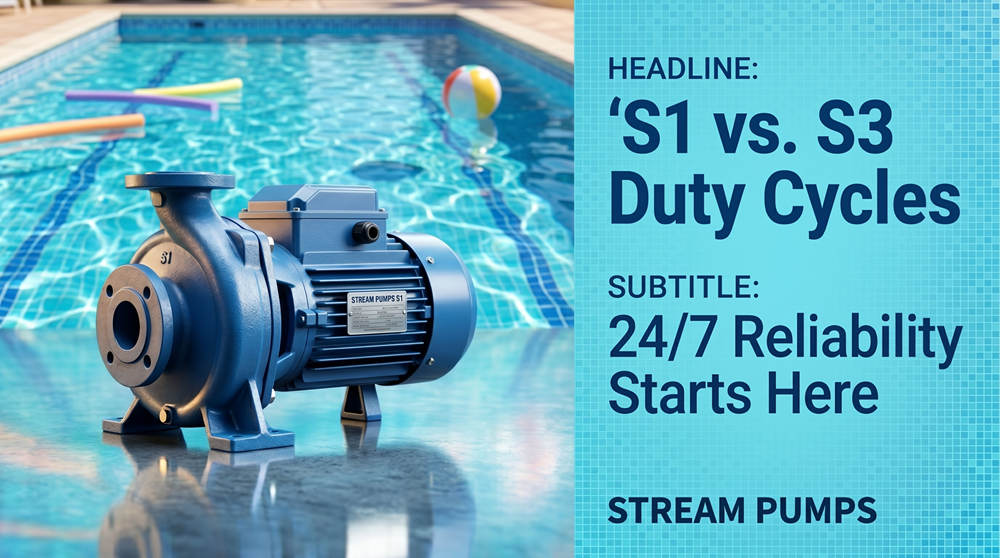
You build a beautiful backyard koi pond or a stunning commercial fountain. You drop a standard utility pump into the water, turn on the power, and everything looks amazing. The water flows perfectly, and the aesthetic is exactly what you planned. Then, the pump mysteriously dies three months later, leaving stagnant water, frustrated clients, and potentially dying fish.
Most people do not realize that standard household water pumps are simply not designed to run 24 hours a day, seven days a week. Forcing a basic hardware store pump to operate constantly is a guaranteed recipe for failure. The motor overheats, the internal components warp, and the equipment burns out far before its expected lifespan. Using the wrong equipment leads to inevitable, costly breakdowns.
Discover the engineering behind a true continuous duty water pump. We will explain the technical differences between standard and commercial-grade motors. You will learn how Stream Pumps builds equipment designed to run year-round for aquaculture and commercial water features without breaking a sweat.
When you shop for a 24/7 water pump, the most critical specification to check is the motor duty cycle. Engineers use duty cycles to classify exactly how long a motor can run before it needs to rest and cool down. Understanding this rating is the key to preventing premature equipment failure.
Most standard utility or sump pumps feature an S3 duty cycle rating. Manufacturers design these pumps for intermittent use. They are built to pump out a flooded basement for an hour or two and then turn off to cool down.
When you force an S3 pump to run constantly, the internal heat builds up rapidly. The motor cannot shed this heat fast enough. Eventually, the extreme temperature destroys the protective coating on the copper windings inside the motor. This causes a short circuit, and the pump simply stops working. If you use an S3 pump in a pond or fountain, you will constantly replace burnt-out equipment.
For ponds, fountains, and aquaculture, you need a pump with an S1 duty cycle motor. This is the gold standard for continuous operation. An S1 rated motor is engineered to achieve thermal equilibrium. This means the pump dissipates heat exactly as fast as it generates it.
Because the temperature stabilizes at a safe level, an S1 pump can run infinitely without overheating. When you want to prevent pump burnout and ensure reliable water circulation, an S1 continuous duty water pump is the only logical choice.
A pump running non-stop requires superior thermal management. Heat is the natural enemy of any electric motor. Stream Pumps continuous duty equipment utilizes specialized engineering techniques to keep the motor freezing cold, even during constant operation.
First, these pumps feature specialized water-cooled motor jackets. The pumped water flows entirely around the outside of the internal motor before exiting the discharge pipe. This design uses the surrounding cold water to constantly pull heat away from the motor block. The pump cools itself using the very water it is moving.
Second, continuous operation places massive stress on the moving parts. Stream Pumps utilizes heavy-duty, oil-filled bearing chambers. This provides infinite lubrication to the bearings, drastically reducing friction. Lower friction means less heat generation and significantly reduced mechanical wear over time.
In a high-density koi pond or a commercial fish farm, the water pump is much more than a mechanical device. It is literally the life support system for the entire aquatic environment.
If the water stops moving in an aquaculture facility, the biological consequences are immediate. Dissolved oxygen levels drop rapidly. Beneficial bacteria in the biological filters begin to die off, causing harmful ammonia spikes. In a densely stocked system, fish can die within a few hours of a pump failure. Aquaculture water circulation demands absolute reliability. There is zero margin for error.
Fish farming and koi ponds usually require moving massive amounts of water at very low pressure. You need high volume to push water through large biological filters and aeration devices. When calculating your koi pond pump sizing, you must specify a high-flow, low-head continuous duty pump. This maximizes aeration and turnover rates while keeping energy costs manageable.
Landscape architects and municipal park managers face a different set of challenges. While a fountain might not house living fish, the aesthetic and financial stakes are still remarkably high.
A broken fountain at a luxury hotel, a corporate headquarters, or a public park creates an immediate negative impression. It makes the entire property look poorly maintained and neglected. Property managers cannot afford the downtime or the repeated labor costs associated with swapping out dead utility pumps every few months. Fountain pump continuous operation is a strict requirement for high-end landscape design.
Commercial water features often involve complex designs. Pushing water up a 20-foot rock waterfall or driving water through intricate fountain nozzles requires significant pressure. This vertical lift is known as "head" pressure. You need a continuous duty water pump that can handle both non-stop operation and significant vertical lift. Stream Pumps engineers specific models that deliver high head pressure without sacrificing the S1 duty cycle rating.
When selecting a 24/7 water pump, the initial purchase price is only a tiny fraction of the total cost of ownership. The true hidden cost is the monthly energy bill.
If a pump runs constantly, the electricity it consumes over a single year will often cost more than the pump itself. Cheap hardware store pumps use inefficient, outdated motor designs that consume massive amounts of electricity.
Buying a premium, highly efficient continuous duty water pump pays for itself rapidly. Stream Pumps models use modern electrical designs that maximize water flow per watt of energy consumed. By lowering your monthly utility bills, the premium pump easily recovers its initial cost compared to a cheap, energy-hogging alternative.
Pumps should not be seasonal, disposable items that you throw away every summer. Treating them as such drains your budget and wastes your valuable time. For backyard ponds, commercial fountains, and professional fish farms, continuous operation is the only viable option. You need equipment engineered specifically for the grueling demands of a 24/7 workload.
Tired of replacing burnt-out pond pumps every season? Invest in commercial-grade reliability. Contact the Stream Pumps agricultural and landscape team to spec a true continuous duty water pump for your project today.
Address
No.17 XeDa Jimei Ind. Park, Xiqing Economic Development Area, Tianjin, China
Telephone
+86 13816508465
QUICK LINKS