+86 13816508465
Pump Knowledge
Apr. 26, 2026
Every homeowner eventually faces an unexpected water problem. A heavy spring thaw might leave a few inches of standing water in the cellar. A backyard pond can quickly become overgrown with algae, requiring a complete drain before winter. A seasonal hot tub might sit full of old water that needs replacing. Trying to clear hundreds of gallons of water by hand with heavy buckets is exhausting, inefficient work that usually leaves you soaked and frustrated.
A portable domestic submersible pump is the unsung hero of the modern household toolkit. Also known as a utility water pump for home use, this device takes the physical labor out of water removal. You simply attach a hose, lower the unit directly into the standing water, plug it in, and let the motor do the heavy lifting. Within minutes, you can clear spaces that would have taken hours to manage manually.
Finding the right equipment makes all the difference. Stream Pumps residential product lines offer a variety of safe, reliable, and plug-and-play options designed specifically for homeowners. This guide will help you decode the technical specifications, understand the mechanical differences between models, and choose the exact portable water pump you need to protect and maintain your property.
The most common mistake first-time buyers make is choosing the wrong type of pump for their specific environment. Selecting a pump purely based on price or horsepower often leads to instant clogs, jammed impellers, and burnt-out motors. You must match the machine to the water conditions.
Clean water pumps are engineered to move relatively clear liquids like tap water, treated pool water, or rainwater. The intake screen on the bottom of these units is very tight. This design filters out particles larger than 5 millimeters. Because the internal tolerances are so close, these pumps operate with high energy efficiency.
They are the ideal choice if you need an empty swimming pool pump or want to drain a hot tub. However, if you place a clean water pump into a muddy trench, the fine intake screen will instantly suck up silt and clog. The motor will overheat as it struggles to pull water through the blockage, eventually causing the unit to fail.
Dirty water pumps are built for harsh, unpredictable environments. You need this type of pump for floodwater, muddy ponds, and construction runoff. The internal impeller has a much wider clearance, allowing it to pass small stones, twigs, leaves, and thick mud without jamming.
A high-quality clean vs dirty water pump comparison usually comes down to solid handling capacity. Most dirty water pumps can easily pass suspended solids up to 35 millimeters in diameter. They feature robust, corrosion-resistant materials designed to withstand abrasive debris. While they might not drain a basement all the way down to the last millimeter of water like some clean water models, they will aggressively power through thick sludge that would destroy a standard pump.
A utility pump is a versatile tool. Once you own one, you will find multiple ways to use it around your property throughout the year.
Water damage is incredibly expensive to repair. When a sump pump fails during a heavy storm or a washing machine pipe bursts, water can quickly ruin drywall, flooring, and stored belongings. Having a portable utility pump on standby allows you to react immediately. You can deploy the pump into the deepest part of the flooded basement drainage area, run the discharge hose out a window, and mitigate the damage while waiting for professional restoration services to arrive.
Proper maintenance of backyard pools and spas requires periodic draining. Doing this with the built-in filtration system is notoriously slow and puts unnecessary wear on expensive stationary equipment. Dropping a utility pump into the deep end accelerates the process dramatically. You can drain thousands of gallons in a single afternoon, allowing you to scrub the liner, perform repairs, or winterize the system before the temperature drops.
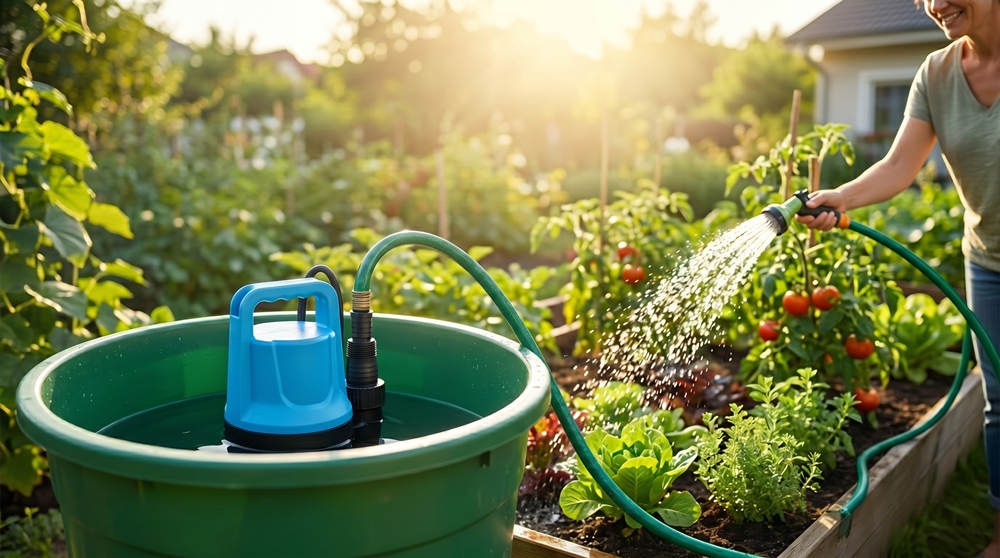
Sustainable gardening practices are becoming standard for modern homeowners. As we explored previously in Article 17's concept on residential rainwater harvesting, collecting runoff from your roof saves money and benefits your plants. However, getting that stored water out of a large rain barrel and into your garden can be difficult without gravity on your side. Dropping a clean water submersible pump directly into your collection tank instantly pressurizes the water, allowing you to connect a standard garden hose and water your lawn with ease.
Decorative garden ponds are beautiful additions to a landscape, but they require serious upkeep. Over time, fish waste, fallen leaves, and algae sink to the bottom and create a thick layer of muck. To properly clean the liner, you need to remove the water and the sludge. A dirty water pump is perfect for this application. It will pull the murky water and the decaying organic matter right out of the pond, giving you a clean slate to refill and balance the ecosystem.
Walking down the plumbing aisle of a hardware store can be overwhelming. Boxes are covered in numbers, acronyms, and technical charts. Fortunately, you only need to understand three main specifications to make an informed decision.
Motor power is measured in horsepower or watts. Many people assume that a larger motor is automatically better, but a massive pump is often overkill for simple household tasks. A 1/2 HP (approximately 400W) pump provides plenty of power for standard residential needs. It strikes the perfect balance between physical weight, electrical efficiency, and pumping strength. If you simply need to drain a small flooded patio or empty a hot tub, a 1/4 HP or 1/3 HP pump will do the job perfectly well.
Flow rate indicates how fast the machine moves water. It is usually measured in Gallons Per Minute (GPM) or Liters per hour (L/h). This metric is crucial if you are dealing with large volumes. If you need to drain a 10,000-gallon swimming pool before a weekend storm, a pump with a low GPM will take days to finish the job. Always check the maximum flow rate to ensure the unit aligns with your time constraints.
This is arguably the most critical specification on the box. Max head refers to the maximum vertical distance the pump can push water. Gravity is a constant opposing force. If your basement floor is 15 feet below ground level, and you buy a pump with a maximum head lift of 10 feet, the water will simply travel up the hose, stop, and fall back down. You must calculate the vertical distance from the water source to your discharge point, then buy a pump with a max head rating that comfortably exceeds that height.
Beyond the raw power specifications, certain functional features make operating a pump significantly safer and more convenient. Look for these specific additions when browsing the Stream Pumps residential lineup.
Standing in a damp basement for three hours to monitor a draining puddle is a waste of your time. An automatic float switch solves this problem. This buoyant device floats on the surface of the water. As the water level rises, the switch tilts upward and turns the pump on. As the water drains and the level drops, the switch falls and automatically shuts the motor off. This allows you to set up the equipment and walk away, completely hands-free.
The exterior casing protects the internal motor from impact and water intrusion. High-impact thermoplastic casings are lightweight and highly resistant to corrosion. They are incredibly portable, making them great for occasional chores around the yard. Stainless steel housings offer premium, commercial-grade durability. They dissipate motor heat better than plastic and provide exceptional rust resistance, making them the preferred choice for heavy-duty applications or long-term submersion.
Submersible motors rely on the surrounding water to keep them cool. If a pump runs completely dry, the internal friction generates rapid, intense heat. Without safety interventions, a dry-running motor will melt its internal wiring and pose a serious fire hazard. Thermal overload protection is a vital safety feature that senses dangerous temperature spikes and instantly cuts power to the device. Once the unit cools down, it resets and operates normally.
You should always plug a water pump directly into a grounded GFCI (Ground Fault Circuit Interrupter) outlet. If you absolutely must use an extension cord, it must be an outdoor-rated, heavy-duty cord that matches or exceeds the amperage requirements of the pump motor. Using a thin indoor cord can cause voltage drops, leading to motor burnout and electrical hazards.
Always disconnect the power before handling the unit. Flush the pump with clean tap water after using it in dirty or chlorinated environments. Inspect the bottom intake screen and clear away any trapped leaves, hair, or gravel. Store the unit in a dry, frost-free location to prevent internal moisture from freezing and cracking the casing during winter.
Most standard utility pumps will leave a small amount of residual water, usually between a quarter-inch and an inch deep, because the intake is located slightly above the floor level. If you need to dry a floor completely, look for a specialized 【puddle sucker】 or low-suction clean water pump designed to draw water down to just a few millimeters.
Unless the pump is specifically designed for permanent underwater installation below the frost line, you should remove it before freezing temperatures arrive. If the water inside the casing turns to ice, it will expand and permanently destroy the internal seals and impeller.
A reliable utility submersible pump is much like a household fire extinguisher. You hope you rarely have to use it, but when an emergency strikes, having one readily available saves you thousands of dollars in property damage and hours of brutal manual labor. Understanding the distinction between clean and dirty water handling, sizing your horsepower correctly, and checking your maximum head lift ensures you will have exactly what you need when the water starts rising.
Equip your home with commercial-grade reliability scaled for residential use. Browse the Stream Pumps domestic submersible pump collection today and find your perfect household helper.
Address
No.17 XeDa Jimei Ind. Park, Xiqing Economic Development Area, Tianjin, China
Telephone
+86 13816508465
QUICK LINKS