+86 13816508465
Pump Knowledge
Nov. 18, 2025

End suction pumps are the workhorses of countless fluid transfer systems across the globe. Their simple design, reliability, and versatility make them a popular choice for many applications. However, selecting the right pump is critical for ensuring operational efficiency, system longevity, and cost-effectiveness. This guide will walk you through everything you need to know to make an informed decision.
We will cover the fundamentals of end suction pumps, their diverse applications, and a detailed selection process. You will also learn about common mistakes to avoid and how to maximize the lifespan of your equipment.
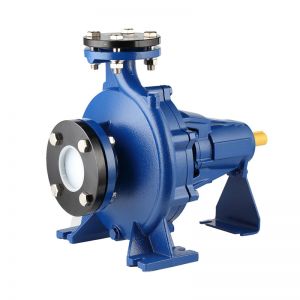
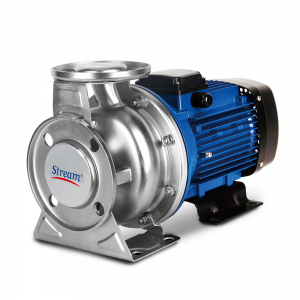
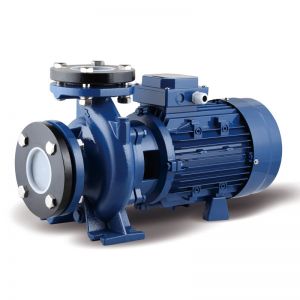
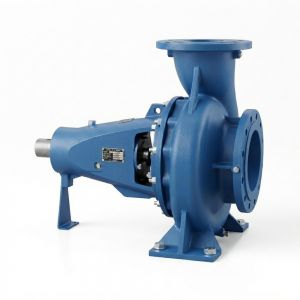
An end suction pump is a type of centrifugal pump where the suction nozzle is located on the opposite side of the casing from the drive shaft. The discharge nozzle is typically positioned on the top of the casing. This configuration is one of the most common for pumps worldwide.
Working Principle
The operation is straightforward. Liquid enters the pump through the suction nozzle at the [end] of the casing. It flows into the eye of a rotating impeller, which imparts velocity to the fluid. As the liquid is thrown outward by centrifugal force, it enters the volute—a spiral-shaped casing that expands in cross-sectional area. This expansion slows the fluid down, converting its kinetic energy (velocity) into potential energy (pressure). The now-pressurized fluid then exits through the discharge nozzle.
Key Features and Advantages
Simple and Robust Design: Their construction is uncomplicated, leading to high reliability and easier maintenance.
Cost-Effective: End suction pumps often offer a lower initial purchase price compared to other pump types with similar performance.
Versatility: They can handle a wide range of clean or slightly contaminated liquids, making them suitable for many industries.
Standardization: Many models comply with international standards (like EN 733 or ISO 2858), ensuring interchangeability and availability of spare parts.
Compact Footprint: The single-casing design generally requires less installation space than more complex pump configurations.
The versatility of end suction pumps means they are found in nearly every sector that requires fluid management.
Industrial Sector
In industrial settings, these pumps are vital for processes like cooling water circulation in manufacturing plants, transferring chemical liquids (with appropriate materials), and managing process water. Their reliability ensures that critical operations run without interruption.
Agricultural Sector
Farming relies heavily on water. End suction pumps are the backbone of many irrigation systems, efficiently moving water from sources like rivers, lakes, or wells to fields. They are also used for water supply for livestock and general farm cleaning tasks.
Building Services
Commercial and residential buildings depend on these pumps for HVAC systems (heating, ventilation, and air conditioning), boosting water pressure for tall structures, and managing drainage and fire suppression systems.
Municipal Projects
Municipalities use end suction pumps for large-scale water supply networks and wastewater treatment plants. They are crucial for moving large volumes of water through treatment processes and distributing potable water to communities.
Specialized Applications
With specific materials and seals, end suction pumps can be adapted for sensitive applications. In the food processing and pharmaceutical industries, stainless steel models are used to transfer products and cleaning fluids while maintaining hygienic standards.
Choosing the correct pump involves more than matching a model number to a task. It requires a careful analysis of your system's specific needs.
1. Calculate Flow Rate and Head
The two most important parameters are flow rate (Q) and total dynamic head (H).
· Flow Rate (Q): This is the volume of liquid you need to move in a given amount of time, typically measured in gallons per minute (GPM) or cubic meters per hour (m³/h).
· Head (H): This represents the total pressure the pump must generate to overcome system resistance. It includes the vertical height the fluid must be lifted (static head) and the friction losses from pipes, valves, and fittings (friction head).
2. Consider Liquid Characteristics
The nature of the fluid being pumped will determine the appropriate pump materials.
· Temperature: High temperatures can affect pump performance and require materials that can withstand thermal stress.
· Viscosity: Thicker, more viscous liquids create more resistance and may require a larger, more powerful motor.
· Corrosiveness & Abrasiveness: Chemicals or solids in the fluid dictate the choice of materials for the casing, impeller, and seals to prevent corrosion and wear. Standard cast iron is suitable for water, while stainless steel or special alloys are needed for aggressive chemicals.
3. Evaluate the Installation Environment
Where the pump will be located matters.
· Space Constraints: Ensure the physical dimensions of the pump and motor fit within the available space, with enough room for maintenance access.
· Noise Requirements: In commercial or residential areas, low-noise models may be necessary to comply with local regulations.
· Ambient Conditions: Consider factors like temperature, humidity, and exposure to the elements when selecting the motor enclosure and pump materials.
4. Focus on Efficiency and Energy Consumption
A pump's initial cost is only part of its total lifetime cost. A highly efficient pump consumes less energy, leading to significant savings over its operational life. Always check the Best Efficiency Point (BEP) on the pump curve and select a pump that operates as close to its BEP as possible for your required duty point.
5. Prioritize Brand and After-Sales Service
A reputable brand often signifies quality manufacturing and reliable performance. Equally important is the availability of after-sales support, including technical assistance, spare parts, and service. A strong support network can minimize downtime and extend the life of your equipment.
Avoiding these common mistakes can save you from costly problems down the road.
Ignoring Actual Operating Conditions: Selecting a pump based only on theoretical maximums can lead to inefficiency. Always size the pump for the normal, everyday operating point.
Prioritizing Low Cost Over Quality: An inexpensive, low-quality pump may have a shorter lifespan, higher energy consumption, and frequent breakdowns, making it more expensive in the long run.
Neglecting Maintenance and Operational Costs: The Total Cost of Ownership (TCO) includes the initial purchase price, energy costs, and maintenance expenses. A slightly more expensive but highly efficient and reliable pump often has a lower TCO.
Oversizing the Pump: A common error is to select a pump that is too powerful for the application. An oversized pump operates away from its BEP, leading to inefficiency, increased vibration, and premature wear on bearings and seals.
Proper care ensures your pump delivers reliable service for years.
Proper Installation and Commissioning: Ensure the pump is mounted on a solid, level foundation to minimize vibration. Align the pump and motor shafts precisely. Check for correct rotation before starting the system.
Regular Maintenance and Inspection: Follow a routine maintenance schedule. Check for leaks, unusual noises, and vibrations. Lubricate bearings according to the manufacturer's recommendations.
Troubleshooting Common Issues: Understand how to identify and address common problems like cavitation (caused by insufficient suction pressure), seal failure, and bearing wear. Early detection can prevent major damage.
Selecting the right end suction pump is a critical decision that impacts your system's performance, reliability, and long-term costs. By carefully evaluating your application's requirements—including flow, head, liquid properties, and installation environment—you can choose a pump that operates efficiently and effectively.
For precise calculations, you can use online pump selection software provided by many manufacturers or consult pump curves to find a model that best fits your duty point. Taking the time to select correctly ensures you invest in a solution that provides lasting value.
Address
No.17 XeDa Jimei Ind. Park, Xiqing Economic Development Area, Tianjin, China
Telephone
+86 13816508465
QUICK LINKS