+86 13816508465
Pump Knowledge
May. 20, 2026
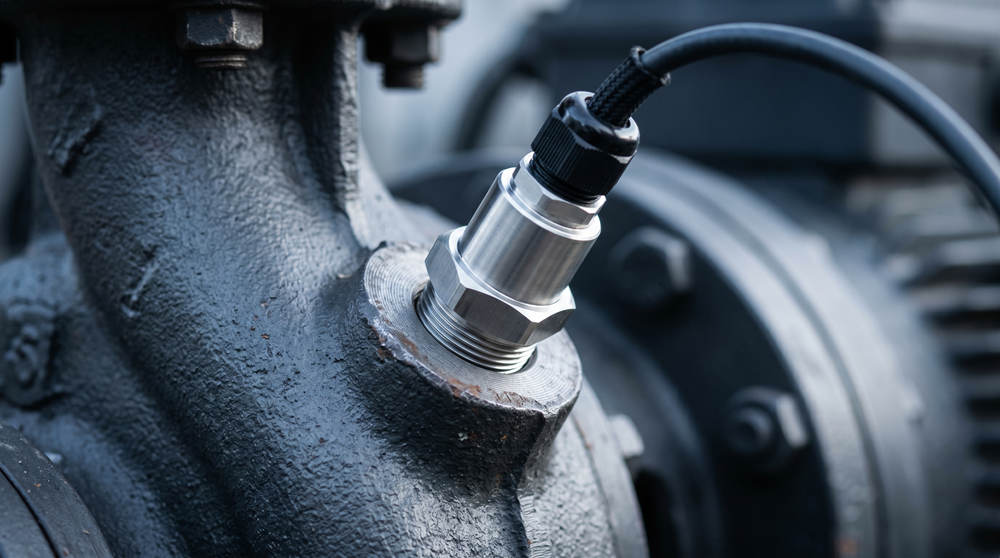
Industrial pumping systems form the critical backbone of global manufacturing and engineering operations. When these heavy-duty assets suddenly halt, the financial fallout is immediate and severe. Unplanned downtime can cost facilities tens of thousands of dollars per hour in lost production, emergency maintenance, and compromised supply chains. For procurement officers and project managers, mitigating this operational risk is a top priority.
The most common culprit behind these catastrophic events is often invisible until it is too late. Thermal overload quietly destroys bearings, compromises mechanical seals, and melts motor windings. By the time operators notice smoke, excessive vibration, or a complete system stall, the damage is already done. Repairing a burned-out industrial pump requires long lead times for replacement parts, intense labor, and complex system reintegration.
Fortunately, modern fluid handling architecture offers a robust defense mechanism. The PT100 Resistance Temperature Detector (RTD) has emerged as the definitive standard for industrial thermal monitoring. Integrating these precision sensors directly into critical pump components transforms a vulnerable system into a predictively managed asset.
Understanding how PT100 sensors operate within both centrifugal and submersible pumps is essential for engineering contractors and international distributors. Implementing this technology ensures regulatory compliance, extends equipment lifespans, and protects vital project margins from the devastating impact of unexpected equipment failure.
Unplanned downtime remains the single most significant threat to industrial project margins. When a critical pump fails, the entire production line often grinds to a halt. Procurement teams are then forced to expedite emergency shipping for replacement units, stretching budgets and disrupting planned operational expenditures.
At the root of these expensive disruptions is usually overheating. Industrial pumps handle massive mechanical loads, transferring kinetic energy into fluid movement. When optimal conditions degrade, that kinetic energy rapidly transforms into destructive heat. Premature bearing failure and motor burnout are rarely spontaneous events. They are the final stage of an unchecked thermal escalation.
Many facilities still operate under a reactive 【run-to-failure】 maintenance philosophy. This approach relies on maintaining a large inventory of spare parts and accepting frequent operational interruptions. However, global supply chain fluctuations make relying on reactive spare parts highly risky.
This is where the PT100 sensor fundamentally changes the operational dynamic. A PT100 is not a spare part; it is an active, preventative maintenance tool. By providing real-time temperature data to control panels, these sensors allow operators to detect abnormal friction or cooling loss long before mechanical degradation occurs. Identifying a temperature spike early allows maintenance teams to schedule targeted interventions during planned shutdown windows, preserving efficiency and protecting long-term project viability.
To appreciate the protective power of the PT100, we must examine the technical specifications that make it the industry standard. The term 【PT】 stands for Platinum, the highly stable precious metal used for the sensor's internal element. The 【100】 signifies that the sensor has a base electrical resistance of exactly 100 ohms at 0 degrees Celsius. As the temperature surrounding the sensor increases, the electrical resistance of the platinum element rises at a highly predictable and linear rate.
The International Electrotechnical Commission (IEC) governs these sensors under the IEC 60751 standard, ensuring global compliance and reliable performance. Within this standard, sensors are categorized by accuracy. Class A sensors offer a very tight tolerance, typically used in highly sensitive laboratory or chemical processing environments. Class B sensors provide a slightly wider tolerance but remain incredibly accurate, making them the standard choice for heavy-duty industrial pump monitoring.
One of the most critical aspects of PT100 integration is the wiring configuration. In industrial plants, pump control panels are often located hundreds of meters away from the pump itself. If a standard two-wire sensor is used, the natural electrical resistance of that long copper cable adds to the sensor's reading, creating an artificially high temperature report.
To solve this, the industry strictly utilizes a 3-wire configuration for pump control panels. The third wire acts as a dedicated reference line. The control system uses this extra line to measure the exact resistance of the long lead cable, mathematically subtracting it from the total reading. This eliminates cable resistance errors entirely, ensuring the Variable Frequency Drive (VFD) or Programmable Logic Controller (PLC) receives flawless thermal data, regardless of the physical distance between the pump and the control room.
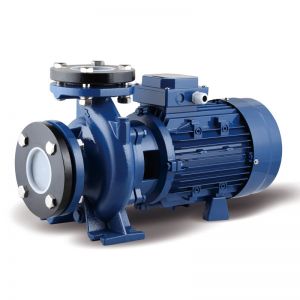
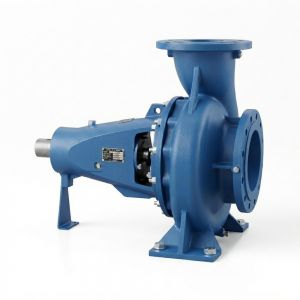
Surface-mounted centrifugal pumps face unique mechanical stresses during daily operation. Because these units are highly accessible, they are heavily relied upon for continuous, high-volume fluid transfer. The primary vulnerability in these surface applications lies within the rotating assembly, specifically the bearing housing and the mechanical seal.
Bearings are designed to reduce friction while supporting the rapidly spinning pump shaft. If the shaft becomes misaligned due to pipe strain, or if the lubricating oil degrades, friction increases exponentially. This friction generates rapid temperature spikes within the bearing housing. Left unchecked, the bearing will shatter, often destroying the shaft and the pump casing in the process.
Similarly, the stuffing box and mechanical seal rely on the pumped fluid for cooling and lubrication. If the pump loses suction and runs dry, the seal faces intense unlubricated friction. A mechanical seal can reach critical failure temperatures in a matter of minutes during a dry-run event.
Installing PT100 sensors directly into the bearing housing and the stuffing box provides a continuous thermal health check. If a bearing starts to run hot due to contaminated oil, the PT100 signals the PLC to trigger a warning alarm. If a dry-run event causes the seal temperature to spike, the sensor instantly communicates with the control panel to shut the pump down before the seal shatters. This simple addition completely shifts a centrifugal pump from a blind, run-to-failure machine into a fully transparent, predictively managed asset.
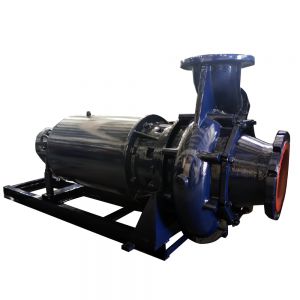
Submersible pumps operate in vastly different environments and face a distinct set of thermal challenges. These units are deployed deep underwater, often handling wastewater, sewage, or abrasive slurries. Because the motor is entirely encased in a watertight shell, it cannot rely on traditional air-cooling fans. Instead, submersible motors rely entirely on the external fluid acting as a massive heat sink.
This design is highly efficient until the water level drops. If a sump pit pumps down too far, the upper portion of the submersible motor becomes exposed to the air. Without the surrounding water to absorb the heat, the internal motor temperature climbs rapidly.
To combat this, manufacturers embed PT100 sensors directly into the stator windings during the motor winding process. This guarantees absolute thermal visibility right at the heat source. These embedded sensors continuously monitor the internal climate of the electrical coils.
If the cooling fluid drops and the stator begins to overheat, the PT100 relays this resistance change up the heavy-duty submersible cable to the surface control panel. The system is programmed with an automatic trip mechanism via the VFD or PLC. Once the winding temperature breaches a safe threshold, the panel cuts the power, saving the highly expensive submersible motor from burning out. For engineering contractors managing remote pumping stations, this automated protection is absolutely vital for maintaining continuous compliance and avoiding catastrophic environmental spills.
International procurement officers require more than just raw machinery; they need comprehensive, reliable solutions. Stream Pumps recognizes that modern engineering projects demand equipment that actively protects itself. This is why preventative safety measures, including advanced PT100 sensor provisions, are built directly into the core architecture of their heavy-duty centrifugal and submersible ranges.
For B2B distributors, selling a pump equipped with integrated thermal monitoring offers a massive competitive edge. It drastically reduces warranty claims, as the equipment will actively shut itself down before operator error causes a mechanical meltdown. Supplying highly intelligent, self-protecting pumps builds long-term end-user trust and drives customer satisfaction scores upward.
Stream Pumps also addresses the complex logistical needs of international project managers. Beyond providing superior technical equipment, they offer robust global shipping capabilities and real-time tracking, ensuring that critical assets reach the installation site exactly on schedule. Furthermore, their multilingual support team provides 24/7 assistance, offering seamless integration guidance and detailed compliance documentation tailored to specific regional regulations.
By combining cutting-edge thermal protection with world-class logistical support, Stream Pumps delivers a procurement experience that eliminates guesswork, reduces lead times, and secures project profitability.
Relying on luck and reactive maintenance is no longer a viable strategy in modern manufacturing. Implementing comprehensive temperature monitoring is a mandatory insurance policy for heavy-duty pumping applications. By utilizing PT100 sensors, facilities can eliminate the threat of sudden bearing destruction, mechanical seal failure, and motor burnout. This technology secures your operational uptime, protects your capital investments, and keeps your project margins firmly in the black.
Do not wait for a catastrophic failure to upgrade your fluid handling strategy. Contact the Stream Pumps technical team today to discuss custom PT100 sensor configurations for your next project or tender. With seamless integration, global delivery, and 24/7 multilingual support, our experts are ready to provide the reliable, compliant solutions your operations demand.
Address
No.17 XeDa Jimei Ind. Park, Xiqing Economic Development Area, Tianjin, China
Telephone
+86 13816508465
QUICK LINKS