+86 13816508465
Jan. 26, 2026

Pharmaceutical manufacturing is a high-stakes environment where precision isn't just a goal—it's a requirement for patient safety. At the heart of this complex production web lies a critical, often overlooked component: the fluid handling system. From the initial intake of raw water to the final dispensing of liquid medicine, pumps keep the lifeblood of the facility moving.But not just any pump will do. In an industry governed by strict regulations like GMP (Good Manufacturing Practice) and FDA guidelines, pumps must ensure absolute sterility, accuracy, and reliability. A single point of contamination or a seal failure can ruin entire batches, costing millions and endangering lives.This guide breaks down the specific roles of pumps in pharmaceutical plants, the types used for different applications, and what you need to consider to maintain compliance and efficiency.
1. Raw Water Intake & Pretreatment
Every pharmaceutical process begins with a reliable source of water. Whether it comes from a municipal supply or a private well, this [raw] water must be moved into the facility for initial treatment.
The Application:
This stage involves abstracting water and pushing it through sand filters, carbon filters, and softeners to remove large particulates and chlorine.
Pump Types Used:
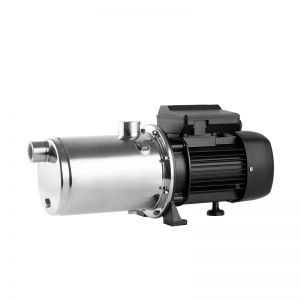
· End-suction centrifugal pumps: The workhorse for general water transfer.
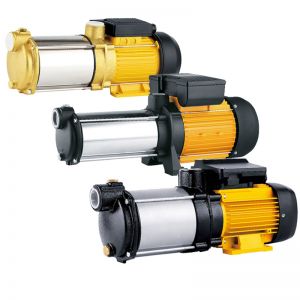
· Horizontal multistage centrifugal pumps: Used when higher pressure is needed to push water through filtration media.
· Submersible well pumps: Essential if you are sourcing water directly from underground aquifers.
Key Requirements:
You need equipment that offers stable flow and pressure to prevent channeling in filter beds. Since this water isn't [clean] yet, these pumps must be robust and corrosion-resistant, usually cast iron or stainless steel.
2. Purified Water (PW) & RO Systems
Once pre-treated, water enters the purification stage. This is where the standards tighten significantly.
The Application:
Reverse Osmosis (RO) systems force water through semi-permeable membranes to remove dissolved solids. This Purified Water (PW) is then circulated through loops for use in non-sterile manufacturing steps.
Pump Types Used:
· Multistage centrifugal pumps: These generate the high pressure required to overcome osmotic pressure in RO membranes.
· Vertical inline pumps: Save floor space while delivering the necessary head.
· High-pressure booster pumps: specifically designed to ramp up pressure for membrane filtration.
Key Requirements:
Efficiency is vital here, as these pumps run continuously. They must also operate with low vibration to protect sensitive RO membranes and should be constructed from higher-grade stainless steel (like SS304 or SS316) to prevent re-contamination.
3. Water for Injection (WFI) Circulation
Water for Injection (WFI) is the gold standard in pharma—ultra-pure water used for injectable drugs. This is the most critical fluid handling application in the plant.
The Application:
WFI must be kept in constant motion at high temperatures (often above 80°C) to prevent bacterial growth.
Pump Types Used:
· Sanitary stainless steel centrifugal pumps: Specifically designed with hygienic casings.
· Sanitary circulating pumps: Optimized for loop systems.
Key Requirements:
Hygiene is non-negotiable. These pumps must be made of 316L stainless steel with a high-quality surface finish (electropolished). Crucially, they require a [zero dead-leg] design to ensure no stagnant water exists where bacteria could breed. They must also handle continuous high temperatures without seal failure.
4. Process Fluid Transfer
Moving the actual drug product involves handling expensive, sensitive, and sometimes hazardous liquids.
The Application:
This includes transferring liquid drug intermediates, solvents, and chemical solutions between reactors, storage tanks, and filling lines.
Pump Types Used:· Lobe pumps: Ideal for shear-sensitive fluids that might be damaged by high-speed impellers.
· Magnetic drive centrifugal pumps: Perfect for hazardous chemicals as they have no mechanical seals.
· Diaphragm pumps: Great for gentle transfer and variable flow rates.
Key Requirements:
Leak-free operation is the top priority to protect both the product and the operators. Chemical resistance is also essential, along with the ability to control flow precisely to match batch requirements.
5. Clean-in-Place (CIP) & Sterilize-in-Place (SIP)
You cannot produce safe drugs without clean equipment. CIP and SIP systems automate the cleaning process without disassembling machinery.The Application:
Pumping hot cleaning agents, acids, bases, and steam through pipelines and tanks to sterilize them.Pump Types Used:· High-flow centrifugal pumps (CIP Supply): Deliver the velocity needed to create turbulent cleaning action.· Liquid ring pumps or Self-priming pumps (CIP Return): Essential for evacuating tanks completely so no cleaning fluid remains.Key Requirements:
These pumps must withstand aggressive chemicals and extreme temperature fluctuations. They also need a hygienic design so they don't become a source of contamination themselves.
6. HVAC & Utility Circulation
While not in direct contact with the product, utility pumps control the manufacturing environment.
The Application:
Circulating chilled water for cooling jackets on reactors or hot water for heating systems and maintaining cleanroom humidity/temperature.
Pump Types Used:
· Inline circulation pumps: Compact and efficient.
· Double-suction centrifugal pumps: Used for high-volume flow requirements.
Key Requirements:
Reliability is the main metric. If the HVAC pump fails, the cleanroom environment is compromised, stopping production. Energy efficiency is also critical, as these are often the largest energy consumers in the plant.
7. Wastewater & Effluent Treatment
Pharmaceutical manufacturing produces complex waste streams that must be treated before discharge.
The Application:
Moving process wastewater, which may contain chemical residues or biological solids, to neutralization tanks.
Pump Types Used:
· Submersible sewage pumps: For pits and collection tanks.
· Chemical-resistant wastewater pumps: For aggressive effluents.
Key Requirements:
These pumps must handle solids without clogging and resist corrosion from variable pH levels. Ease of maintenance is also important, as wastewater environments are harsh.
8. Dosing & Metering
Precision chemistry requires precision pumping.
The Application:
Injecting exact amounts of pH adjusters, disinfectants, or active ingredients into a process stream.
Pump Types Used:· Solenoid metering pumps: For smaller, precise volumes.
· Mechanical diaphragm metering pumps: For higher pressure applications.
Key Requirements:
High dosing accuracy and repeatability are paramount. A variance of even 1% can alter a chemical reaction. Materials must be compatible with concentrated chemicals.
9. Fire Protection Systems
Often legally mandated, these pumps sit idle until the moment they are desperately needed.
The Application:
Supplying high-pressure water to sprinkler systems in the event of a fire.
Pump Types Used:
· Fire pump sets: Usually a combination of electric main pumps and diesel backup pumps.
Key Requirements:
Compliance with local fire codes (like NFPA) and absolute reliability during an emergency startup.
Key Considerations for Pump Selection
Selecting the right pump is about balancing regulatory compliance with operational efficiency. Here are the pillars of making the right choice:
Hygienic Standards
If the pump contacts the product, it must meet strict standards. Look for certifications from EHEDG (European Hygienic Engineering & Design Group) or 3-A Sanitary Standards. The design should allow for complete drainability and easy cleaning.
Material Selection
For WFI and product contact, SS316L stainless steel is the industry standard due to its corrosion resistance and surface finish quality. For non-critical utilities, cast iron or lower-grade stainless steel may suffice, but never risk material incompatibility with the fluid.
Sealing Options
Mechanical seals are the most common failure point.
· Single mechanical seals: Standard for general fluids.
· Double mechanical seals: Used for hazardous fluids or where a barrier fluid is needed for sterility.
· Magnetic drives: Eliminate seals entirely, removing the risk of leakage for dangerous solvents.
Energy Efficiency & Lifecycle Cost
Pumps consume a significant portion of a plant's energy. Choosing a pump that operates near its [Best Efficiency Point] (BEP) reduces electricity bills and wear on the components. Consider the Total Cost of Ownership (TCO), which includes maintenance and energy, not just the purchase price.
Maintenance and Validation
In pharma, every piece of equipment must be validated. Choose pumps that come with comprehensive documentation packages (IQ/OQ). Design features that allow for quick maintenance—like front-loading seals—reduce downtime during scheduled service.
Conclusion
The humble water pump plays a starring role in the pharmaceutical manufacturing story. From the raw water intake to the critical WFI loops and the final wastewater discharge, each stage demands a specific technology tailored to its unique challenges.By selecting the right pump—focusing on material quality, hygienic design, and operational efficiency—manufacturers do more than just move fluids. They ensure regulatory compliance, protect product integrity, and ultimately, safeguard the patients who rely on their medications.
Address
No.17 XeDa Jimei Ind. Park, Xiqing Economic Development Area, Tianjin, China
Telephone
+86 13816508465
QUICK LINKS