+86 13816508465
Pump Knowledge
Jan. 25, 2026
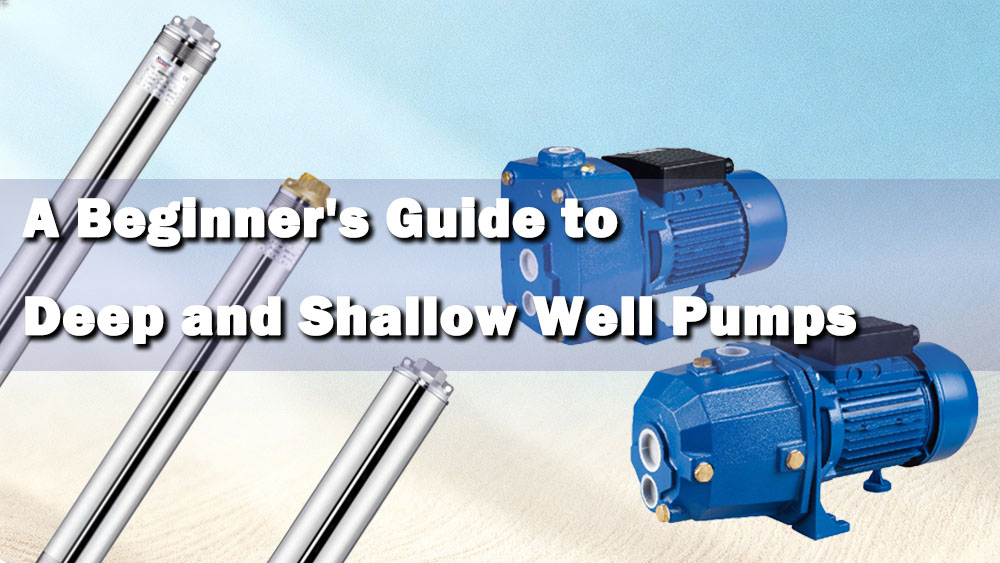
Access to groundwater is crucial for homes, farms, and commercial facilities worldwide. When municipal water supply is unavailable or unreliable, well pumps become the backbone of daily water use.
But how do well pumps actually work, and why are there different types for shallow and deep wells?This beginner’s guide explains how well pumps work, the difference between well pumps and surface pumps, how the pump head is generated, and where well pumps are commonly used in residential, agricultural, and commercial systems.
What Is a Well Pump?
A well pump is a mechanical device designed to move groundwater from below the earth's surface up to ground level for use. Unlike surface pumps that pull water horizontally or from shallow sources, well pumps are specifically engineered to work with vertical water lifting.Most modern well pumps are installed inside the well, submerged below the water level. This design allows the pump to push water upward efficiently, even from significant depths.
Well Pumps vs. Surface Pumps
Understanding the difference between well pumps and surface pumps helps explain why well pumps are essential for groundwater applications.
How Surface Pumps Work
Surface pumps are installed above ground and rely on suction to pull water toward the pump. Their performance is limited by atmospheric pressure, which means they can only lift water from shallow depths—typically no more than 7–8 meters.Surface pumps are commonly used for:
· Shallow ponds and tanks
· Rainwater collection systems
· Short-distance water transferHowever, they are not suitable for deep wells.
How Well Pumps Work
Well pumps, especially submersible well pumps, are placed directly inside the well, below the water surface. Instead of pulling water up, they push water upward through the discharge pipe.
Because the pump is submerged:
· There are no suction limitations.
· Efficiency is significantly higher.
· Deep groundwater extraction becomes possible.This is why well pumps are the standard solution for supplying deep groundwater.
Deep Well Pumps vs. Shallow Well Pumps
The classification of well pumps is mainly based on water depth, not just well depth.
What Is a Shallow Well Pump?
Shallow well pumps are typically used when the groundwater level is close to the surface. These systems often combine:
· A surface-mounted pump
· Jet or ejector mechanismsThey are suitable for:
· Wells with water levels less than 8–10 meters
· Small residential applications
· Light-duty water useShallow well pumps are simple but limited in performance.
What Is a Deep Well Pump?
A deep well pump is usually a submersible multistage centrifugal pump installed deep inside the well. It consists of:
· A sealed electric motor
· Multiple impellers stacked in stages
· A compact vertical designEach impeller stage adds pressure, allowing the pump to lift water from depths of tens or even hundreds of meters.
Deep well pumps are widely used for:
· Household water supply from deep aquifers
· Agricultural irrigation
· Commercial and industrial water systemsChoosing a shallow pump for a deep well often results in poor performance, frequent failures, or complete inability to supply water.
How Do Well Pumps Generate Head Pressure?
Understanding Pump Head
Pump head refers to the total vertical height a pump can lift water, including:
· Static head (vertical distance from water level to outlet)
· Dynamic head (losses caused by pipe friction, fittings, and valves)Head is not just height—it represents the energy required to move water.
How Impellers Create Pressure
Inside a well pump, rotating impellers spin at high speed, using centrifugal force to accelerate water outward. This motion converts mechanical energy into pressure energy.In single-stage pumps, one impeller generates limited pressure.
In multi-stage well pumps, each impeller adds pressure, allowing the pump to overcome greater depths and resistance.This multi-stage design is the key reason deep well pumps can lift water from extreme depths.
Factors That Affect Total Head
Several factors influence how much head a well pump must produce:
· Depth of the water level
· Pipe length and diameter
· Elbows, valves, and fittings
· Required outlet pressureIgnoring these factors during pump selection can lead to underperformance or excessive energy consumption.
Main Components of a Submersible Well Pump
A typical submersible well pump includes:
· Sealed motor: Water-cooled and protected from moisture
· Impellers and diffusers: Generate and guide pressure
· Pump shaft and bearings: Ensure smooth rotation
· Check valve: Prevents backflow when the pump stopsEach component plays a critical role in efficiency, reliability, and service life.
Common Applications of Well Pumps
Residential Water Supply
In homes, well pumps provide:
· Drinking water
· Bathroom and kitchen water
· Garden irrigationThey usually work together with a pressure tank to maintain stable household water pressure.
Agricultural Irrigation
In agriculture, well pumps support:
· Farmland irrigation systems
· Livestock drinking water
· Continuous or long-hour operationDurability and resistance to sand or sediment are especially important in these applications.
Commercial and Industrial Use
Commercial buildings and industrial facilities rely on well pumps for:
· Primary water supply
· Backup water systems
· Process waterThese applications often require higher reliability, redundancy, and professional system design.
Common Misunderstandings About Well Pumps
Many beginners believe:
· Bigger pumps always perform better.
· Any pump can work in a deep well.
· Water quality does not affect pump life.In reality, improper sizing, unsuitable materials, and ignoring water conditions can drastically shorten pump lifespan and increase operating costs.
How to Choose the Right Well Pump
Selecting the right well pump requires considering:
· Water depth and well diameter
· Required flow rate
· Total head and pressure demand
· Power supply (single-phase or three-phase)
· Water quality (sand, minerals, corrosion)Proper pump selection ensures efficient operation, lower energy consumption, and long service life.
Conclusion
Well pumps play a vital role in supplying groundwater for residential, agricultural, and commercial use. By understanding how well pumps work, the difference between deep and shallow well pumps, and how pump head is generated, beginners can make more informed decisions.Choosing the correct well pump is not just about power—it’s about matching the pump to the water source, system design, and real-world operating conditions.
Address
No.17 XeDa Jimei Ind. Park, Xiqing Economic Development Area, Tianjin, China
Telephone
+86 13816508465
QUICK LINKS