+86 13816508465
Jan. 25, 2026
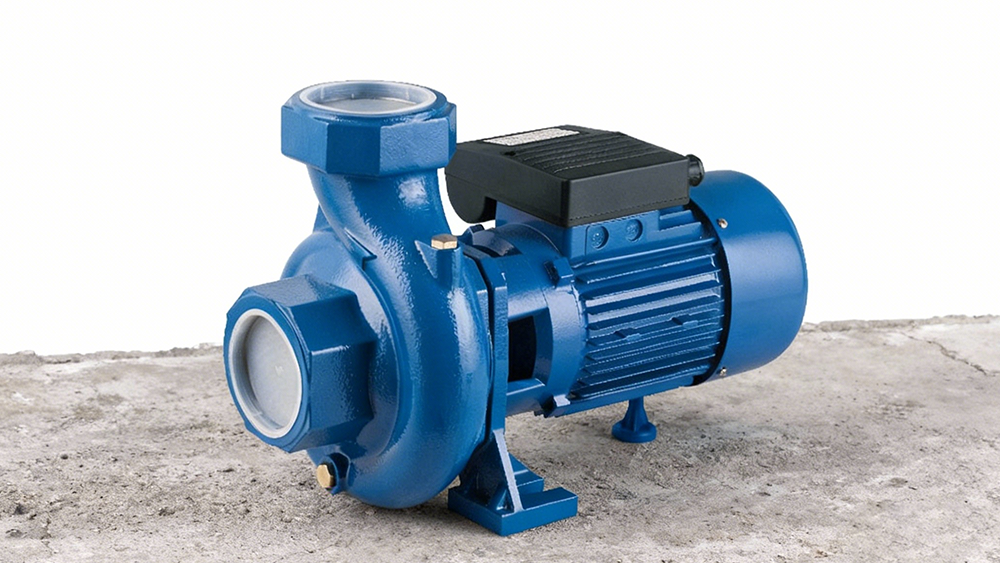
Introduction: The Foundation of Reliability
You and your team likely spend weeks, if not months, in the procurement process. You carefully analyze flow rates, calculate total dynamic head, and compare motor efficiency curves to select the perfect pump for your application. After all that work, the asset arrives on-site, ready to be the new heart of your process. But in the rush to get it running, one critical detail is often overlooked: the concrete pad it sits on.The reality is that even the most advanced, highest-quality pump will fail prematurely if it is installed on a flawed or uneven base. The foundation is not just a platform; it is the most critical component for ensuring the pump's long-term health and performance.An uneven foundation is far more than a simple cosmetic issue. It is a serious mechanical hazard that introduces stress, distortion, and misalignment into the system. These factors create a domino effect that leads directly to vibration, premature wear, and catastrophic equipment failure.
What Happens When the Foundation is Uneven? (The Soft Foot Phenomenon)
The most common problem with an uneven foundation is a condition known as [soft foot.] Imagine a four-legged table where one leg is slightly shorter than the others. The table rocks. When you place a heavy object on it, the tabletop twists and bends until all four legs touch the ground. Your pump behaves in the exact same way.When a pump base is placed on an uneven surface, one or more of its mounting feet will not make solid contact. As the maintenance team tightens the anchor bolts, they are physically pulling that [high] corner down, forcing it to meet the foundation. This action distorts and twists the entire pump casing.This mechanical stress is a hidden danger. Before the motor is even energized, the pump casing is warped, its internal components are out of alignment, and damaging friction is already present within the system.
Key Risk #1: Shaft Misalignment and Bearing Failure
The chain reaction from a soft foot condition begins immediately. A warped pump casing directly causes misalignment between the pump shaft and the motor shaft. Even a thousandth of an inch of distortion at the base can translate into significant angular or parallel misalignment at the coupling.This misalignment puts an enormous radial load on the pump's bearings and mechanical seal—the components designed to facilitate smooth rotation. These parts are the weakest link in the chain. They are not designed to handle the constant side-loading forces that misalignment creates.The result is inevitable: premature bearing failure. This is consistently ranked as one of the top causes of pump downtime. Operators often mistake it for a manufacturing defect or a bad batch of bearings. In reality, the root cause is almost always an installation error that started with an uneven foundation.
Key Risk #2: Vibration and Resonance
A pump mounted on a solid, flat foundation can effectively dampen the natural vibrations produced during operation. The mass of the base absorbs and dissipates this energy. However, an unstable base caused by soft foot acts as an amplifier. The small gap under the [short leg] allows the pump to vibrate excessively.This vibration does not stay contained within the pump. It travels through the metal and into the connected suction and discharge piping. This can lead to:· Pipe Strain: Constant shaking fatigues the metal, causing cracks to form in welds or pipework over time.· Flange Leaks: Vibration can loosen flange bolts or compromise gaskets, leading to process fluid leaks.· Noise Pollution: Misaligned and vibrating pumps run significantly louder, contributing to an unsafe and unpleasant work environment.
The Financial Impact: Why [Good Enough] is Too Expensive
Cutting corners on foundation prep might seem like a way to save time and money during installation, but it is a financially disastrous decision. The principle of Total Cost of Ownership (TCO) clearly shows that a [good enough] foundation is far too expensive.Contrast the small, one-time cost of properly shimming and grouting a pump base with the massive recurring costs of failure:
· Downtime: Unplanned production stops cost thousands of dollars per hour.
· Replacement Parts: The price of new bearings, mechanical seals, and couplings adds up quickly.
· Labor Costs: Repeatedly pulling and repairing the same pump drains your maintenance budget.Furthermore, a misaligned pump is an inefficient one. The internal friction and strain force the motor to draw more power (amperage) to achieve the required flow and head, leading to higher energy bills. Finally, it is crucial to remember that manufacturers will void the equipment warranty if a failure investigation reveals the cause to be improper installation or foundation issues.
Best Practices for Procurement & Installation Teams
To ensure reliability, procurement and engineering teams must treat the foundation as part of the pump system. Your installation contractor should be held to a clear standard of quality.Here is a basic checklist for a reliable pump installation:
· Ensure a Solid Plinth: The concrete foundation should be flat, level, and massive enough to absorb vibration. A good rule of thumb is for the concrete mass to be three to five times the total weight of the pump and motor assembly.
· Use Proper Shims: Never use makeshift materials like scrap metal, washers, or wood. Insist on pre-cut, high-quality stainless steel shims to correct any soft foot conditions.
· Perform Laser Alignment: After the pump is bolted down but before the piping is connected, a laser alignment check must be performed to ensure the motor and pump shafts are perfectly aligned.
· Use Non-Shrink Grout: Once the pump is aligned and secured, the space under the baseplate should be completely filled with a high-strength, non-shrink grout. This creates a solid, unified structure and prevents any future movement.
Conclusion: Protect Your Asset
A pump is a precision machine, not just a chunk of metal that moves fluid. Its reliability depends entirely on maintaining the tight internal tolerances designed by the manufacturer. A solid, flat, and level foundation is the only way to protect that precision. By focusing on proper installation from day one, you transform a major liability into a source of steadfast operational reliability.Before your next pump arrives, take the time to review your installation protocols. A small investment in getting the foundation right will protect your asset and pay dividends in uptime and performance for years to come.
Address
No.17 XeDa Jimei Ind. Park, Xiqing Economic Development Area, Tianjin, China
Telephone
+86 13816508465
QUICK LINKS